
Since 1991
Glass Bottle Manufacturer for Custom & Bulk Orders
Custom glass bottles and jars for Spirits, Wine, Food, Cosmetics & More
Perfect Glass Packaging Partner
With flexible order quantities, strict quality control, and fully customizable solutions, we help brands elevate their packaging while supporting global sustainability goals. Let’s bring your vision to life — one bottle at a time.
Built for Brands Ready to Scale
We work with small and mid-sized brands that need efficient MOQs (starting from 6,000 units), predictable lead times, and customization that grows with your volume. Our mission is to make premium packaging accessible.
Service That Grows With You
From the first inquiry to final delivery, we’re here for you.
Our responsive team, flexible solutions, and deep industry know-how ensure a smooth and successful experience — every time.
Standard & Custom Glass Bottle, Jar, Container
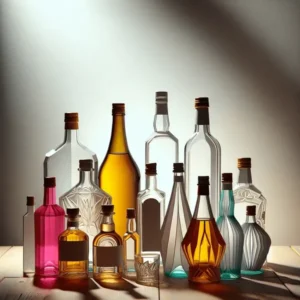
Custom Liquor Bottle
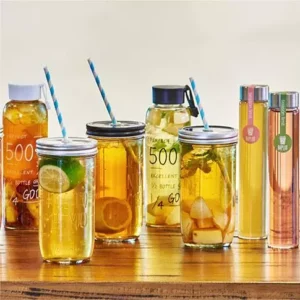
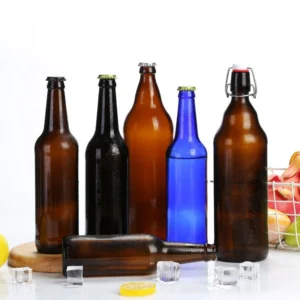
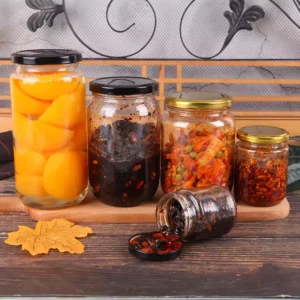
Custom Food Jar & Bottle
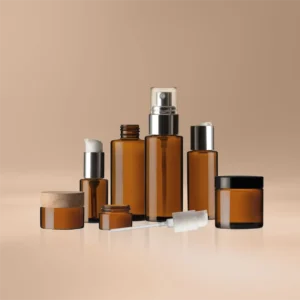
Custom Cosmetics Bottle
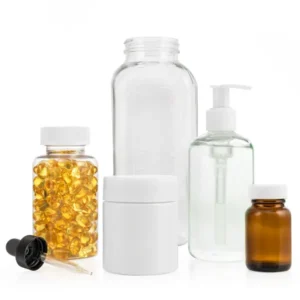
Custom Medicine Bottle
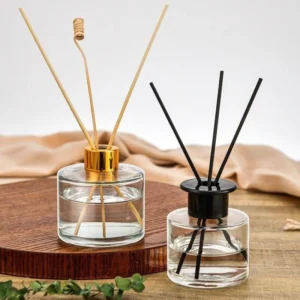
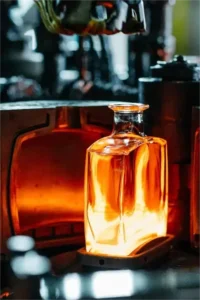
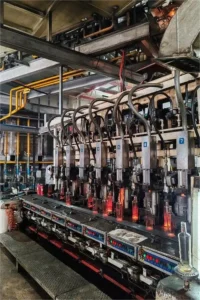
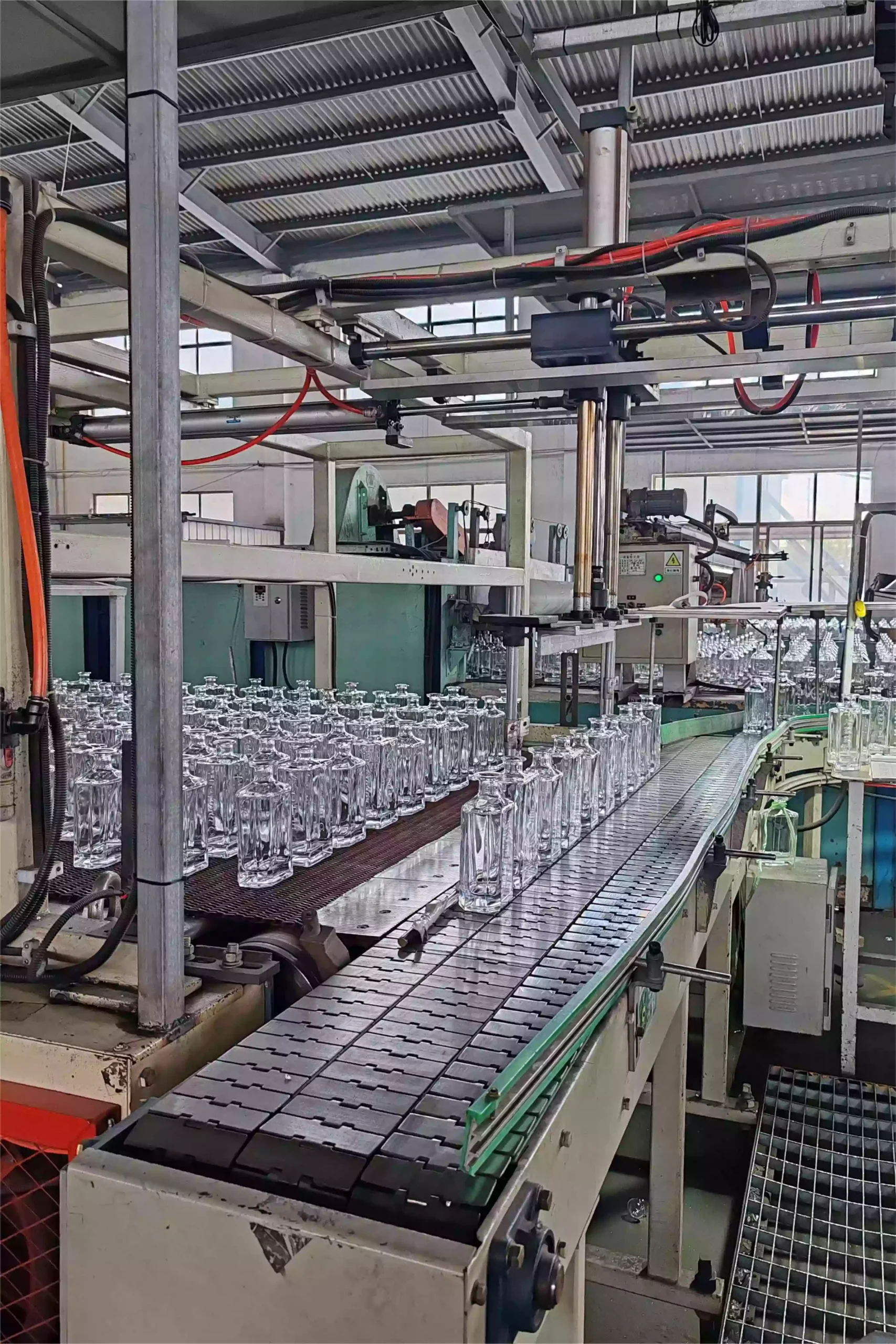
Our Glass Bottle Manufacturing Facility
Supported custom glass bottle, advanced facilities, and exquisite craftsmanship. We ensure that every product meets international standards, combines aesthetics and practicality, and can meet the needs of large-scale and diverse customers.
- Spanning 1.3 million square meters, our glass manufacturing complex houses industry-leading infrastructure including 10 industrial-scale furnaces and 30 specialized production lines. This configuration enables annual production of 400,000 metric tons of glass containers across diverse categories – from pharmaceutical vials to premium liquor bottles. Our production ecosystem integrates 12 state-of-the-art automated lines (6S to 9S configurations) with 22 precision annealing kilns, allowing simultaneous manufacturing of over 100 distinct product types. This parallel processing capability ensures both mass production efficiency and niche product flexibility.
- Up to 80% recycled glass cullet, with all combustion furnaces utilizing natural gas and electric melters to support your sustainability commitments. Our glass bottle manufacturer certified to ISO 9001 standards, we ensure compliance with global market access regulations including FDA requirements.
One-stop services for custom glass bottle from design, mold opening, sample, production to delivery. All production links from raw material selection, batching, melting, molding, testing, packaging, etc. are produced in accordance with industry quality standards to ensure the accuracy and matching of products.
Years of Glass Bottle Manufacturing
Large Glass Furnaces
production lines
Thousand Tons of Glass Containers Annually
OEM/ODM
DESIGN
PACKAGING
Supporting these production areas are our technical facilities, including the mold shop equipped with CNC machining centers for precise mold production and maintenance, laboratories for material testing and quality verification, and our pilot plant for small runs and prototypes. The facility also features a dedicated utility plant that provides compressed air, cooling water, and electrical distribution, ensuring uninterrupted production capabilities.
Our facilities can accommodate containers ranging from 5ml miniature bottles to 2-liter large format jars, with wall thicknesses from 0.8mm for lightweight designs to 8mm for premium heavy-bottom bottles. Color capabilities include flint (clear), amber, green, blue, and custom colors created to precise specifications.
With our current infrastructure, we can process over 900 tons of raw materials weekly. Our warehouse capacity allows us to maintain safety stock of standard items and manage just-in-time production for custom orders.
Custom Glass Bottle Manufacturing Solutions
With 3000+ ready molds and in-house tooling workshops, we deliver 20-day mold-to-sample cycles – 33% faster than industry averages. Complete packaging solutions from design to dispatch in 45 days – 10 days quicker than standard industry timelines. Our all-inclusive service provides: Free functional prototypes with matching closures (lids/corks). Custom branding packages including labels & gift boxes. Deep processing like surface texturing or color coating
Glass Bottle Material Options
The choice of materials for custom glass bottles affects their best uses. A variety of glass material options are available to ensure durability and safety.
Commonly used transparent glass container raw materials: common flint, super flint, extra flint(all belong to Soda-Lime Glass)
Soda-Lime Glass: mainly used for food and beverage bottles jars, medicinal glass bottles
Lead Crystal Glass: mainly used for high-end wine utensils
Borosilicate Glass: mainly used for laboratory glassware
Glass Bottle Shape & Size
Customize the shape and size of the bottle or jar according to your product needs.
Round glass bottle, square glass bottle & unique glass bottle
Nordic bottle, California bottle, New Jersey bottle, Moonshine Jug, etc. These are common shapes for liquor bottles
Bordeaux bottle, Burgundy bottle, Rhine bottle etc. These are common shapes for wine bottles
Hexagonal jars, mason jars, the shapes of commonly used glass jars
1- 5 gallon、1, 2, 6, 8, 10, 12, 16, 32 oz、50, 100, 200, 250, 375, 500, 700, 750, 1000 ml various capacities can be chosen
Glass Bottle Sealing Method
Design the sealing method suitable for your product to ensure product freshness and transportation safety.
Crown cap mainly used for beer bottle & carbonated drinks bottle
Screw cap, cork stopper mainly used for wine bottle, juice bottle & perfume bottle
Dropper cap mainly used for essential oil bottle & medicine bottle
Roller cap, spray cap mainly used for cosmetic bottle
Glass Bottle Color
You have a wide range of color options to consider which will help you better position yourself in the market and bring in some unique pieces.
Flint glass mainly used for siprit bottle & cosmetic bottle
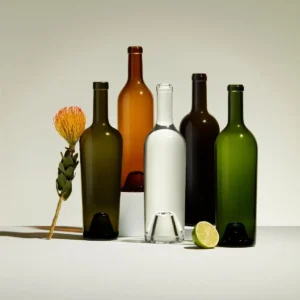
Amber bottle mainly used for medicine bottle, beer bottle & wine bottle
Green bottle mainly used for wine bottle & cooking oil bottle
Blue bottle, black bottle mainly used for cosmetic bottle
Get free sample now
Glass Bottle Quality Control & Inspection
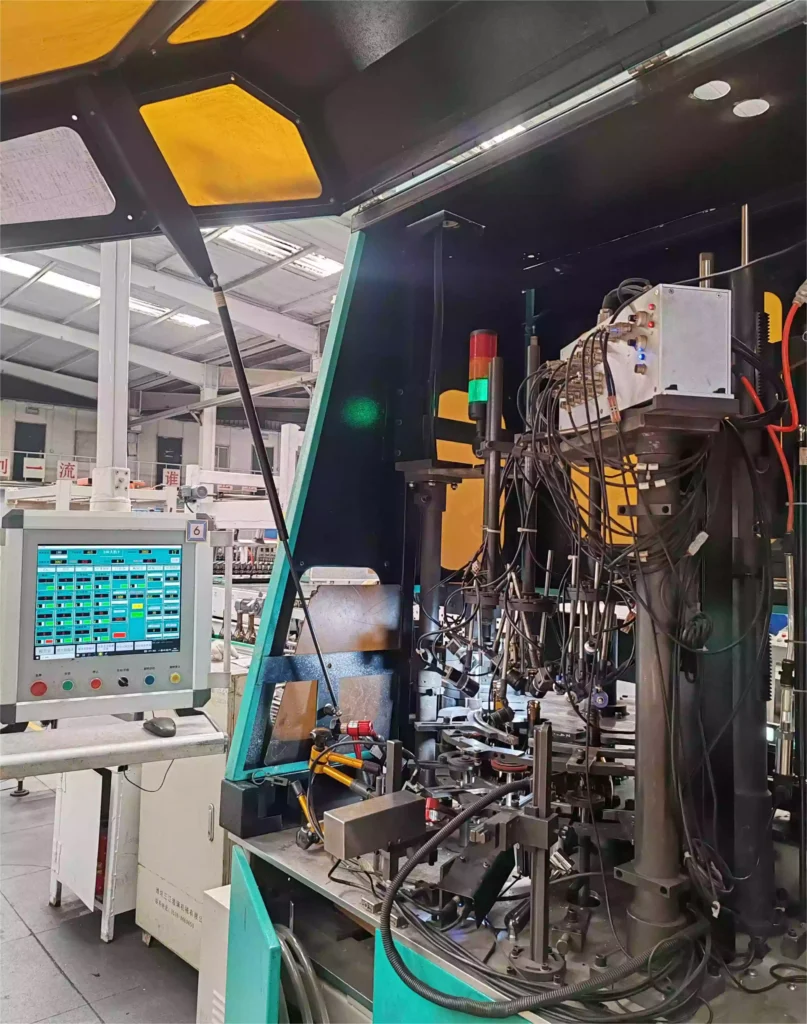
We boasts a comprehensive physical and chemical testing laboratory, fully equipped with a wide range of devices. Ensuring a robust foundation for quality assurance. Through machine and manual inspections, unqualified products are removed to ensure quality.
- Our quality inspection process: Hot-End Inspection, Screen Inspection, Machine Inspection, Light Inspection, Laboratory Testing, Warehouse Sampling Inspection
- Machine inspection: camera inspection machine、crack inspection machine、Integrated Inspection Machine
- Manual inspection will be conducted on 15% of the products on the production line, and after the bulk production is completed, 5% of the products will be sampled and inspected based on production time.
- If it is detected that the critical defects of the product exceed 1%, or the general defects exceed 5%, it will be directly judged as unqualified, and a comprehensive inspection and re-production will be carried out.
Glass Bottle Packaging & Global Delivery
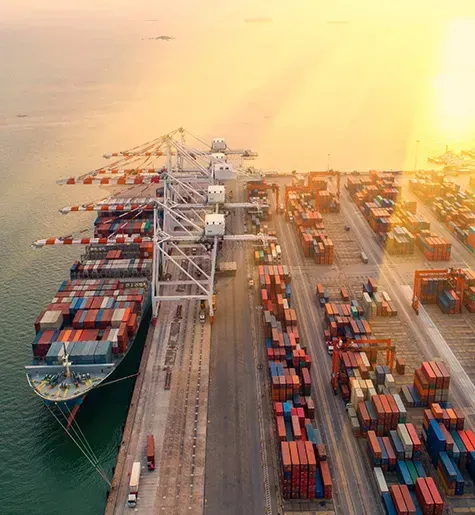
With professional export-grade pallet packaging and partnerships with multiple logistics providers, we ensure timely and secure delivery of your orders.
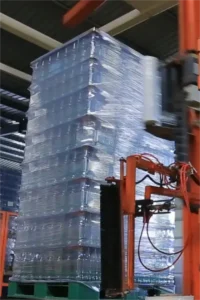
- Pallet and Shrink Wrapping: This packaging configuration is commonly employed for common flint glass containers and wine bottle applications
- Pallet and paper dividers: This packaging configuration is commonly employed for super flint glass container applications.
- Pallet and cartons: This packaging configuration is commonly employed for super flint glass containers and wine bottle applications
- Paper carton and floor loaded: This packaging configuration is commonly employed for super flint glass containers and a few common flint glass containers
- Because glass shards from broken glass packaging can have a significant impact on the packaging of wine and food, we ensure that every order has a 0% breakage rate. If there is any breakage, we will fully compensate for the affected products.
Besides the conventional packaging methods mentioned above, we usually let you choose the packaging method you deem safe to ensure your orders arrive safely.
Meet us at Exhibition
participates in 30 exhibitions around the world every year!
Committed to Service Excellence
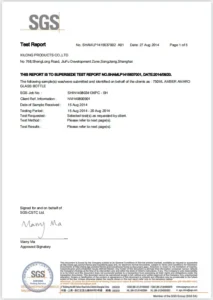
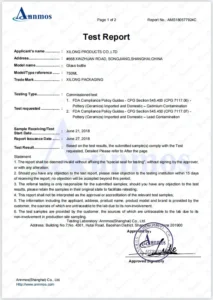
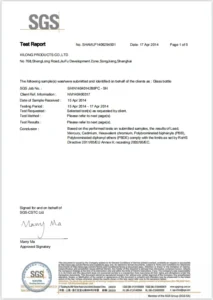
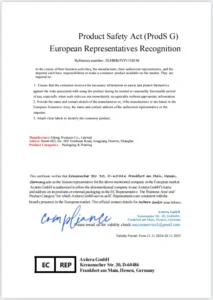
Certified glass container supplier
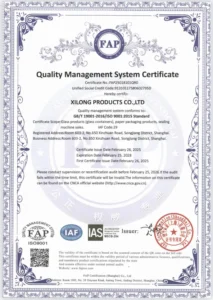
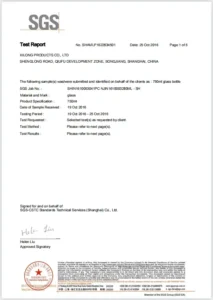
Certified by ISO and FDA standards
Strict quality checks at every step
Compliance with international safety norms
Advanced automation ensures consistent quality
Well-reviewed Glass container supplier
Our products are trusted worldwide, serving clients across North America, South America, Europe, and Southeast Asia,with proven reliability that earns customer confidence in every market.
Request Glass Bottle Samples or a Quote
Tell us about your glass bottle requirements, including capacity, application, quantity, preferred shape, closure, and customization needs. We can recommend suitable standard designs or discuss a custom glass bottle project based on your specifications.
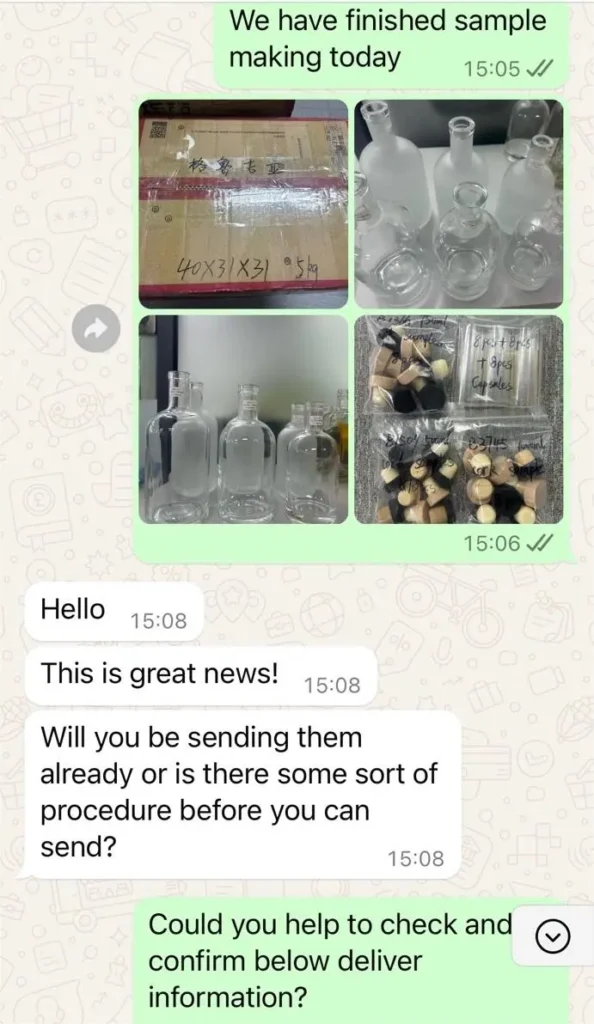
Samples can be arranged for product and packaging evaluation before mass production.
+1-9496565815
+ 86-18621997022
+1-9496565815
+ 86-18621997022
+ 86-18511102968
+1-9495297389
Wanyue street , Linping District, Hangzhou, China