


We always make some jam, kimchi, and salsa sauce. A crucial factor in ensuring these preserves stay fresh, tasty, and safe to eat over time is choosing the right storage container. Bulk glass jars have long been a top choice for preserving, thanks to their non-reactive properties, ability to form an airtight seal, and suitability for storing large quantities. This article will focus on the best bulk glass jars for preserves and share practical guidance on how to maintain freshness, helping you make the most of your preserved foods.
Jar Size Selection Guide: Matching Volume to Preserve Type
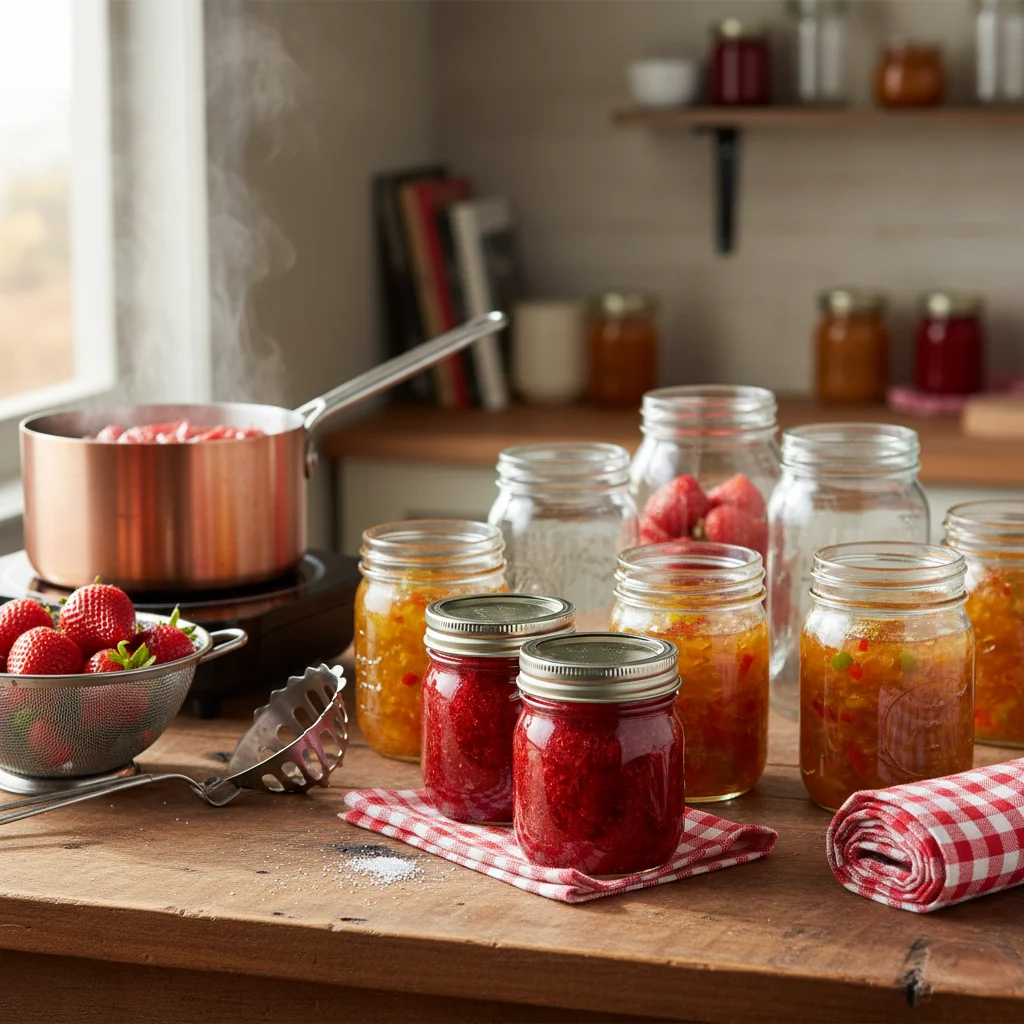
Small jars aren’t just cute—they’re practical. The 8-ounce jelly jar is your workhorse for everyday preserves. Verones makes a popular version for single-batch canning projects. These little gems hold just the right amount of jam. A household can use it up within two weeks of opening. You’ll want them for strawberry preserves, pepper jelly, and apple butter. They’re also ideal for testing a new recipe. No one wants three quarts of experimental fig jam sitting around if it flops.
Here’s something I love about 8-ounce jars: they make fantastic gifts. Fill a dozen with your signature peach preserves. Tie a ribbon around the lid. You’ve got Christmas presents that mean something. Each jar holds about four servings. That’s what most families need before flavors start to fade.
10-ounce jars like the Kamota brand shine for condiments and relishes. These bulk Glass Jars are the sweet spot for chunky salsas, pickle relish, and chow-chow. The extra two ounces matter more than you’d think. Your corn relish needs that breathing room at the top. Condiments in this size stay fresh in the refrigerator for three to four weeks. That’s longer than smaller jars because there’s less air exposure each time you open them. Plus, the wider mouth on most 10-ounce jars makes it easy to get every last spoonful out.
32-ounce wide-mouth jars are where things get interesting. These are your heavy lifters for serious preserving. Sliced peaches, whole dill pickles, and quartered tomatoes all work great. The wide opening is a game-changer. You can slide whole vegetables down without mangling them. Peach halves fit right in. A regular-mouth jar? You’ll be there all afternoon with a butter knife, fishing out stuck fruit.
The beauty of 32-ounce jars is portion control for big families. One jar of pickled green beans feeds a crowd at Sunday dinner. You open it, serve it, and it’s gone. No half-empty jars taking up fridge space.
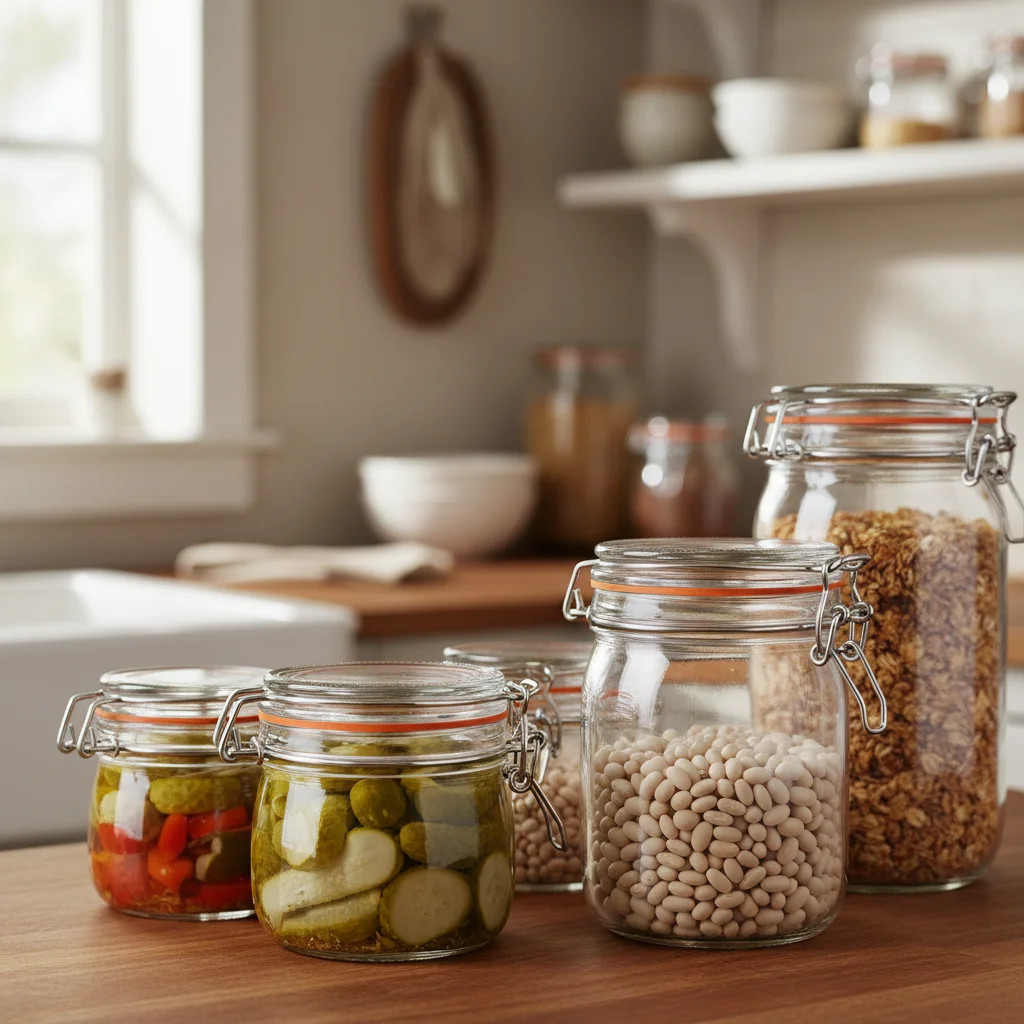
19.6-ounce Weck jars deserve special mention. These German-made jars work for both canning and everyday storage. Use them for bread-and-butter pickles today. Switch to dry beans tomorrow. Try homemade granola next week. The glass lid and rubber seal system means you’re not buying new metal lids every season. They’re an investment, but they’ll outlast cheaper bulk glass jars by years.
Keep Your Preserves Fresh in Bulk Jars
Preserves last eighteen months or spoil in six weeks. The difference? The seal. Not your grandmother’s wax seal. Not a rubber band with plastic wrap. A tight seal that keeps oxygen, bacteria, and moisture out of your bulk glass jars.
Here’s how it works. Heat pushes air out during processing. The jar cools. A vacuum forms. The lid pulls tight against the rim. That “pop” sound months later? Your seal held. No air entered. No spoilage began.
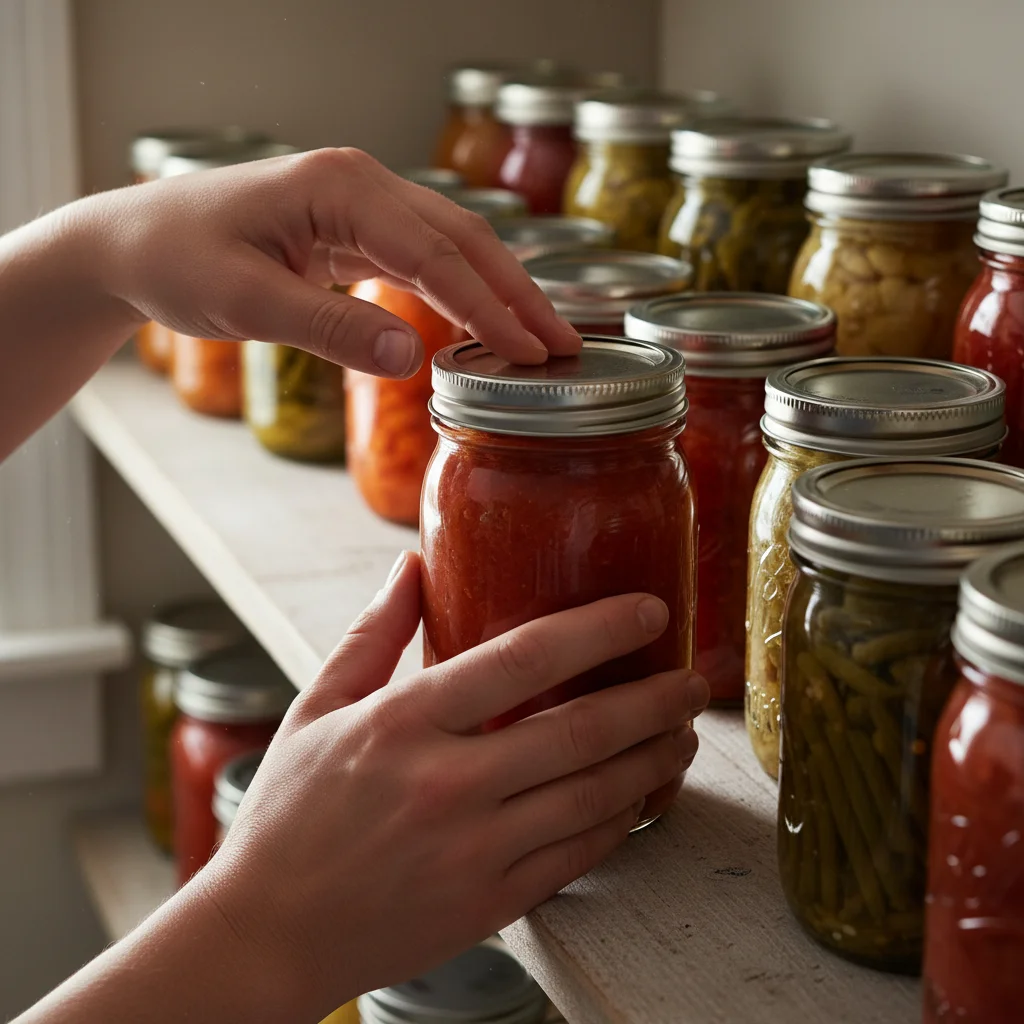
Testing the seal is simple. Press the lid center after jars cool—give it twelve to twenty-four hours after canning. A good seal won’t budge. The lid curves inward from the vacuum. Press it and it flexes? You’ve got trouble. Put that jar in the fridge. Use it right away. Ball Corporation found that perfect seals keep food fresh for twelve to eighteen months in cool, dark spots. Bad seals? Six weeks if you’re lucky.
Mason Jars use a two-piece metal lid. Simple physics makes it work. The flat lid has thin rubber around its edge. Heat softens this rubber during processing. The screw band holds things in place. The jar cools. The vacuum forms. That seal sets, and the band becomes optional. The vacuum alone keeps the lid tight. I keep bands on for storage—they guard against bumps—but they’re not required.
Here’s the common mistake: overtightening bands before processing. You need “fingertip tight,” not “wrestling a pickle jar” tight. Air must escape during processing. Too-tight bands trap air inside. No vacuum forms. The seal fails. Get this right and your success rate jumps from seventy percent to ninety-five percent or higher.
Bulk glass jars with quality lids last much longer than cheap sealing systems. The National Center for Home Food Preservation tested this. Good seals kept eighty-five percent of vitamin C in tomatoes after twelve months. Bad seals? Forty percent remained. The numbers don’t lie. Better seals give you better nutrition, better flavor, and better food safety.
Temperature counts too. Store sealed jars between fifty and seventy degrees Fahrenheit. Higher heat breaks down the rubber on lids faster. Seals might fail at ten months instead of eighteen. Humidity above sixty percent rusts metal lids. Rust eats through the metal. Tiny holes appear. Your tight seal becomes leaky.
Check stored jars monthly. Bulging lids mean bacterial growth making gas. Look for leaks around the seal. Smell for anything odd in storage areas. One bad jar signals problems with the whole batch. Spot issues fast and waste less food.
Bulk Purchasing Checklist: Price, Compatibility, and Replacement Parts
The math on bulk glass jars gets interesting fast. A single jar costs two dollars. A case of twelve drops that to one-fifty each. Buy forty-eight and you’re down to ninety cents. That’s where smart canners save real money.
Ball jars follow a clear pricing ladder. Twelve 16-ounce jars run about eighteen dollars—that’s a dollar fifty per jar. Order twenty-four and the price drops to thirty-two dollars total. That’s one-thirty-three each. The forty-eight count? Fifty-five dollars gets you the whole batch at just under one-fifteen per jar. You save forty percent compared to buying singles. Mason Cash follows similar pricing. Their twelve-pack sits at twenty-one dollars. The twenty-four pack hits thirty-eight. Forty-eight jars costs sixty-eight dollars. Your per-jar cost drops by thirty-five percent.
Here’s my sweet spot: twenty-four jars for most home canners. You get solid bulk savings without committing your whole budget. A serious preserving season burns through seventy-five to one hundred jars. Buy three cases of twenty-four. You’re set for summer. Plus, you saved thirty to forty dollars over smaller purchases.
Kerr jars price a bit lower than Ball—same parent company, different branding. Expect to save five to eight percent on equivalent sizes. Weck jars cost more upfront. Their twelve-pack runs thirty-five to forty dollars. But those reusable glass lids and rubber rings? They offset the price after three canning seasons. Metal lids for Ball and Kerr cost eight to twelve dollars per dozen replacements. Weck rings run six dollars for twenty-five. Do the math over five years. Weck becomes competitive.
Lid Replacement Reality Check
Metal lids wear out. Period. The National Center for Home Food Preservation says use them once and toss them. That rubber seal compound breaks down after heat processing. Reusing lids gives you a thirty to forty percent seal failure rate. Fresh lids? Failure drops below five percent.
Ball and Kerr replacement lids dominate store shelves. Hardware stores, grocery stores, farm stores from March through September—there they are. Twelve regular-mouth lids cost about three-fifty. Wide-mouth versions run four dollars. Bands last for years if you dry them well. Most canners replace bands every three to four seasons once rust appears.
Finding Weck replacement parts takes more effort. Amazon stocks them year-round. Specialty kitchen stores carry them. Your local Walmart? Not likely. Order rubber rings in bulk—twenty-five for six dollars. This gives you enough for two full canning seasons. The glass lids don’t break often unless you drop them on tile floors.
The Compatibility Question
Here’s what works: Ball lids fit Kerr jars just right. Same company, identical threading. Kerr lids seal Ball jars without issue. Golden Harvest jars also share this thread pattern. Buy any of these bulk glass jars and your lid stash works across all three brands.
Anchor Hocking jars use the same standard thread. Their replacement lids match Ball and Kerr. I’ve tested this dozens of times. Zero problems. The glass is a bit thicker on Anchor Hocking. But the opening diameter and thread pattern match up right.
Weck jars stand alone. Those glass lids and rubber ring systems don’t play with anyone else’s parts. The upside? Once you invest in Weck, you’re not buying throwaway lids anymore. The downside? You can’t mix and match with your existing Ball collection. Pick one system for specific preserve types. I use Weck for pickles and relishes—things I make often. Ball handles everything else. Replacement parts are easy to find.
Food Safety Standards: Glass Jar Material and Non-Reactive Properties
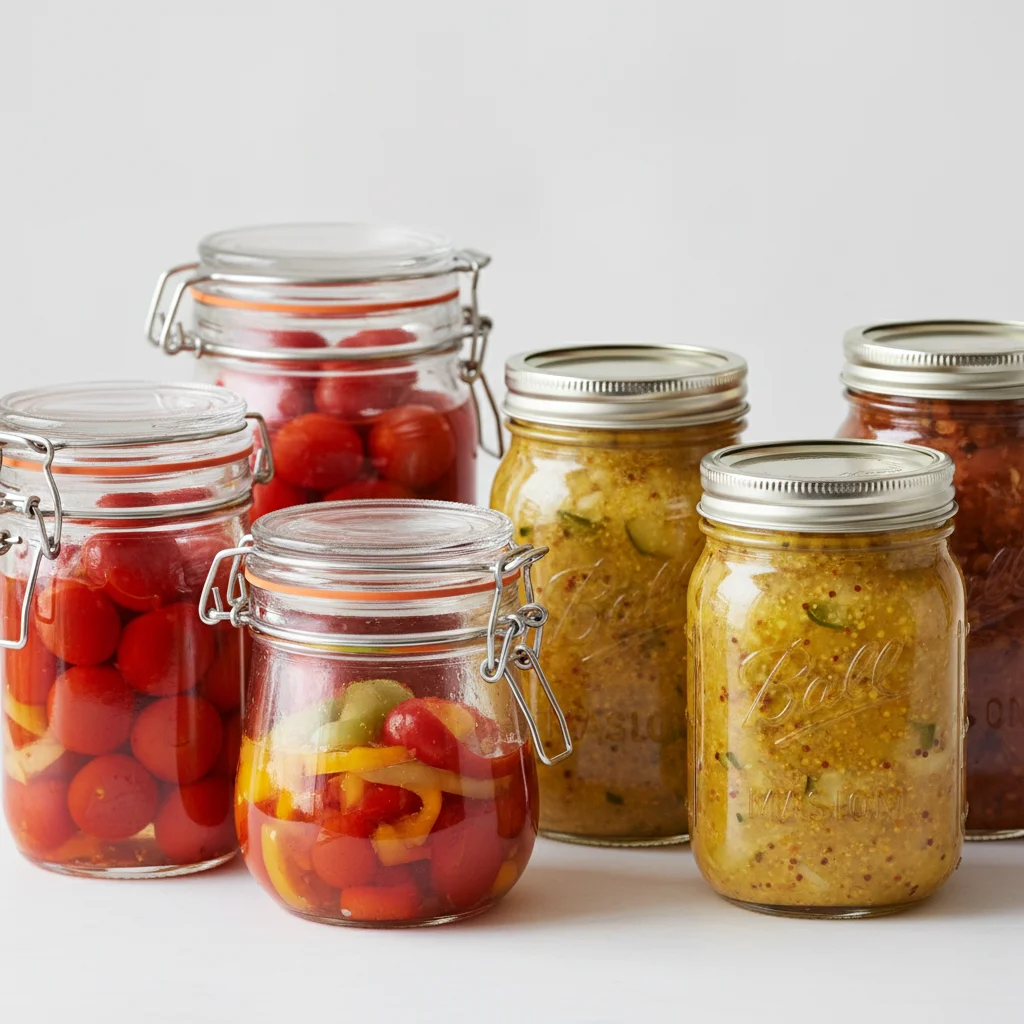
Glass doesn’t care what you put in it. That’s the beauty of bulk glass jars for preserving. Tomato sauce with its high acidity? No problem. Vinegar-heavy pickles? Glass shrugs it off. Plastic containers leach chemicals. Acidic foods sit in them for months and the chemicals seep into your food. Metal cans react with certain preserves. This changes flavors and colors. Glass just sits there, inert and reliable, doing its job.
The science is simple. Glass won’t react with your food. It’s made from silica, soda ash, and limestone. These are stable compounds. They don’t break down from acids or salts. You pack tomatoes with a pH of 4.2 into a glass jar. Nothing transfers from the container into your food. The USDA tested this. After eighteen months of storage, tomato products in glass showed zero chemical migration. Plastic containers in the same study? They showed BPA transfer after just six months.
Why BPA-Free Matters for Your Preserves
Quality bulk glass jars come with a built-in advantage. They’re BPA-free. No plastic means no bisphenol A. This chemical disrupts hormones. It builds up in your body over time. The FDA set limits on BPA exposure. But why risk any exposure? Glass gets rid of it.
Mason jars from Ball and Kerr meet FDA food-grade glass standards. European brands like Weck follow even stricter EU rules. These standards control heavy metal content in the glass itself. Lead, cadmium, and other nasties stay below detectable limits. Your grandmother’s decorative jars from the 1960s? They might contain lead in the glass or paint. Modern food-grade glass doesn’t.
Check the jar bottom for markings. “Food Safe” or an FDA symbol means the maker tested their glass. Generic jars without these markings might work fine. But you’re gambling on safety standards.
The Metal Lid Question
Here’s where things get tricky. The glass is safe. But what about those metal lids? The flat disc that touches your food has a thin coating inside. Modern Ball and Kerr lids use a BPA-non-intent coating. That’s the FDA’s fancy term for “we didn’t add BPA on purpose, but trace amounts might exist.” Independent testing found these levels safe. They’re around fifty times lower than the FDA’s threshold.
Want zero BPA exposure? Weck’s glass lids and natural rubber rings contain none. Tattler makes reusable plastic lids that are BPA-free. They’re tested for canning safety. They cost more—about thirty-five dollars for two dozen. But they get rid of any metal lid concerns.
Glass Versus Plastic: The Preservation Numbers
A University of Georgia study compared glass and plastic storage over twelve months. Strawberry jam in glass kept ninety-two percent of its vitamin C content. The same jam in plastic containers? Sixty-seven percent remained. The difference comes down to oxygen getting through. Plastic breathes. It’s slow, but it happens. Glass blocks oxygen when you seal it right.
Flavor preservation shows even bigger gaps. Pickles stored in plastic containers got off-flavors after eight months. Testers called them “plasticky” and “stale.” Glass-stored pickles from the same batch stayed crisp and bright for the full eighteen-month test period. Your bulk glass jars protect more than freshness. They keep the taste you worked hard to create.
Conclusion
In summary, choosing the right bulk glass jars and following proper freshness practices are key to preserving the flavor, safety, and shelf life of your jams, jellies, pickles, and other preserves. At TP Glass Bottle Manufacturer, we craft high-quality bulk glass jars for home preservers and small-scale producers—made with durable, food-safe glass and reliable seals to keep preserves fresh longer. Our bulk supply offers cost-effectiveness and consistency, and we also provide custom solutions. Trust us for your Bulk Glass Jar needs, and enjoy peace of mind with premium, purpose-built packaging for your preserves.