

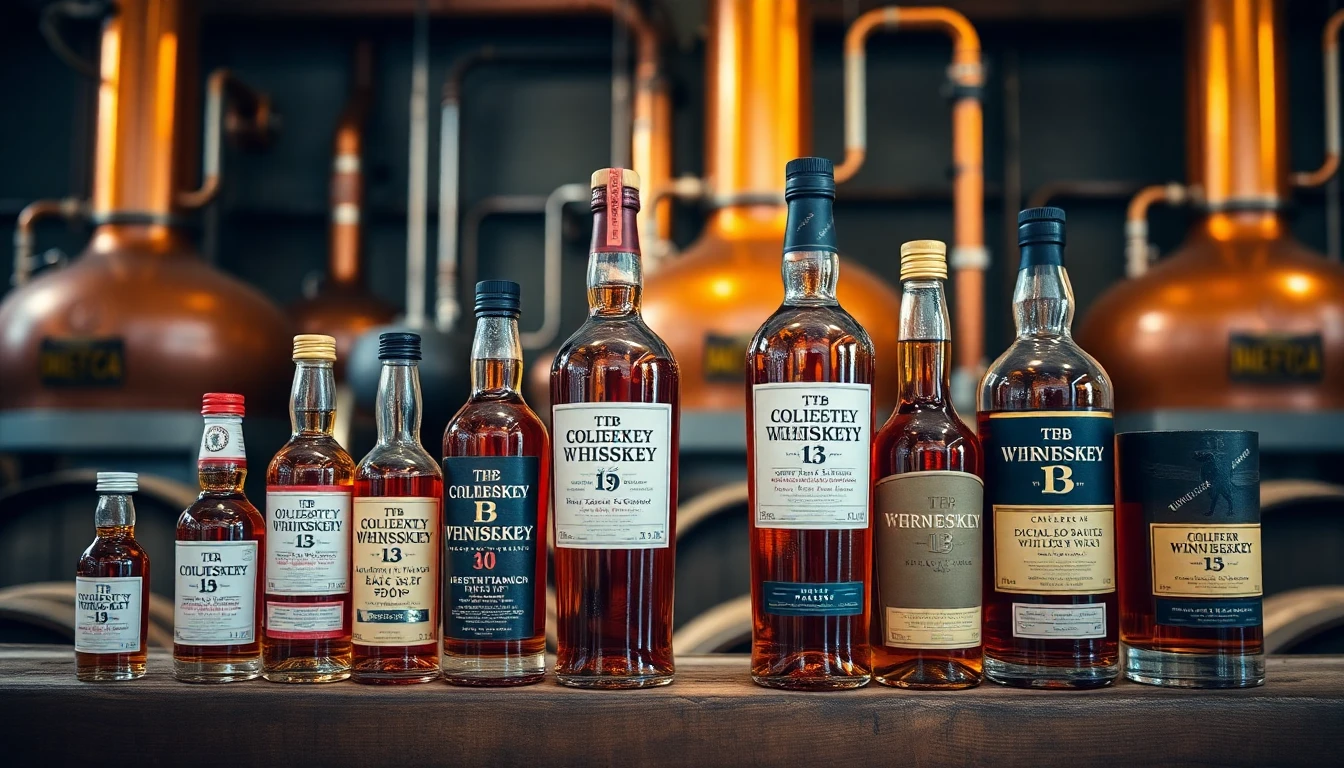
When browsing a whiskey selection at a bar or store, you’ve likely noticed that bottles come in various shapes and sizes. While the liquid inside is the main attraction, the container itself holds practical and historical significance. This guide will walk you through the common Whiskey Bottle Sizes, from the standard 750ml to larger and smaller formats, explaining their names, origins, and typical uses. Understanding these sizes not only helps when making a purchase but also deepens your appreciation for whiskey culture and traditions.
Table of Contents
Standard Whiskey Bottle Sizes Explained
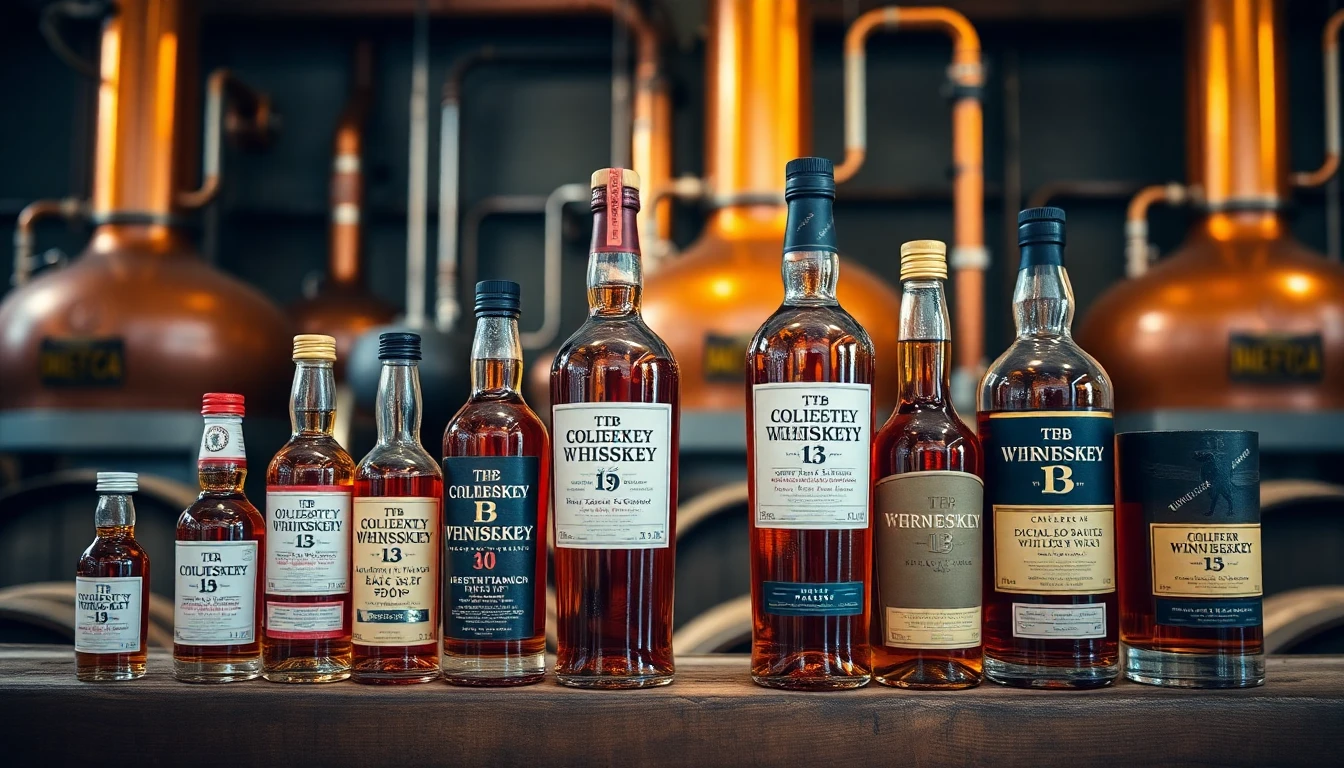
The whiskey industry set its bottle sizes decades ago. This system works across brands and countries. These measurements follow strict rules from the Alcohol and Tobacco Tax and Trade Bureau (TTB) in the United States.
The 750ml whiskey bottle dominates retail shelves worldwide. This standard size holds 25.4 fluid ounces—enough for about 17 shots or 12-13 cocktails. Walk into any liquor store. You’ll see 80% of the whiskey selection in this format. Distilleries love it because it fits well in shipping boxes. You love it because the price-per-ounce beats almost every other size.
Here’s the complete breakdown of whiskey bottle sizes you’ll find:
Miniature Bottles (50ml / 1.7oz)
Airlines stock these for in-flight service. Hotels place them in minibars. Whiskey fans grab them to test new bottles without spending much. They cost $3-8 each, depending on the brand.
Half Pint (200ml / 6.8oz)
This pocket-sized format works for camping trips and outdoor events. Some premium brands skip this size. You’ll pay 60-70% of a full bottle’s price for this one.
Fifth (750ml / 25.4oz)
The workhorse of the whiskey world. Every major distillery produces this size. Retailers stock it deep. Prices range from $20 for everyday bourbon to $500+ for rare single malts. The name “fifth” comes from its original size—one-fifth of a gallon.
Liter (1000ml / 33.8oz)
European brands favor this format. Duty-free shops feature it often. You get 33% more whiskey than a standard whiskey bottle, at just 20-25% higher cost. Smart buyers stock up here.
Magnum (1.75L / 59.2oz)
Party hosts and high-volume consumers grab this size. You save 15-20% per ounce compared to buying multiple 750ml bottles. Most brands in the $25-60 range offer this option.
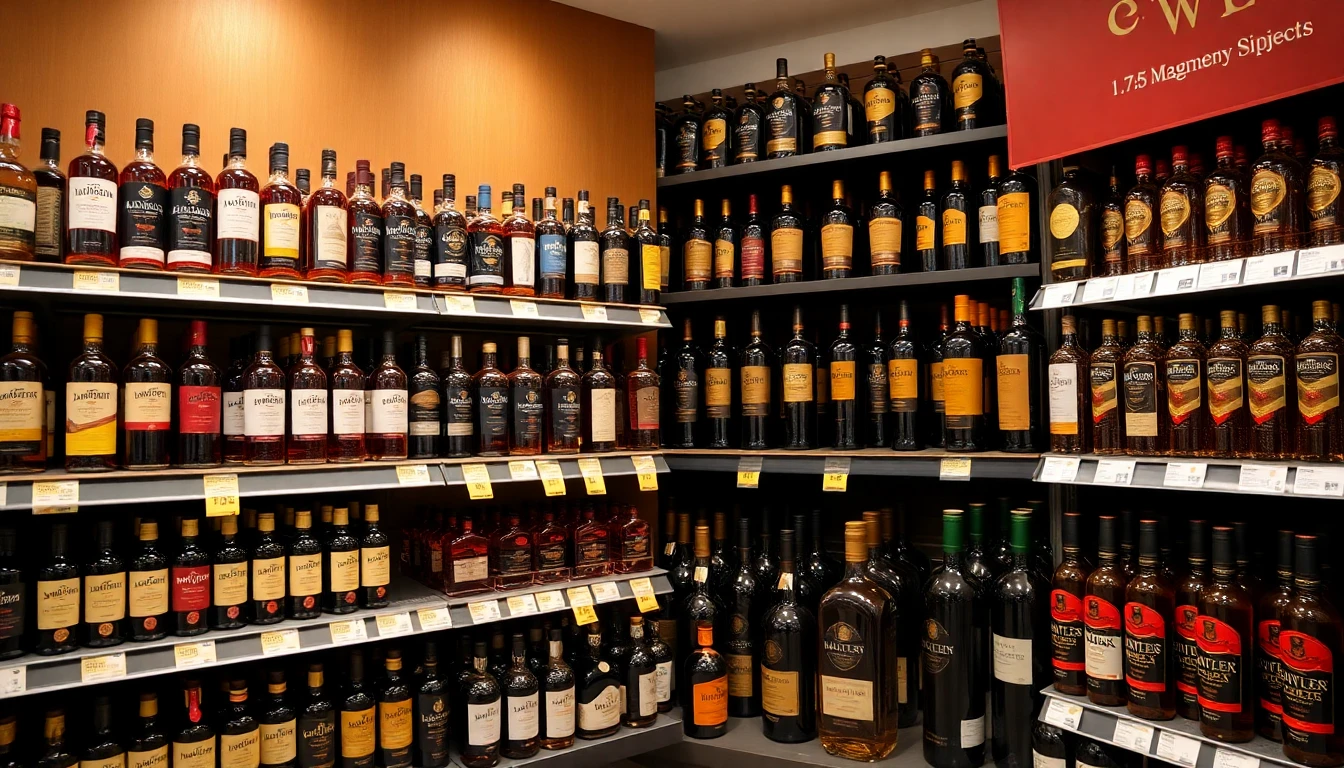
Retail availability varies by store type. Big-box stores carry magnums and liters all the time. Specialty shops focus on 750ml bottles with deeper selection. Those 50ml miniatures? Check near the checkout counter.
Mini and Sample Whiskey Bottles (50ml-200ml)
Small whiskey bottles fix a common problem: fear of wasting money. You see a $90 bottle of Japanese whisky on the shelf. Looks great. But what if you hate it?
The 50ml miniature removes that risk. You spend $5-12 instead of dropping big money on a full bottle. One pour. One chance to decide if that peaty Islay scotch is worth your cash or if you’d rather stick with bourbon.
Airlines created the 50ml market back in the 1970s. These tiny bottles fit well in beverage carts. Hotels followed. They stocked minibars with single-serve spirits. Now? Distilleries make them for tasting events and promo campaigns.
Brand managers love small formats. Launch a new expression? Send 50ml samples to whiskey reviewers and influencers. Host a tasting event? Give attendees 100ml bottles to take home. Build buzz without draining inventory.
Here’s the real math on miniature whiskey bottle sizes:
50ml bottle: $5-12 retail / Equivalent to $150-360 per 750ml
100ml bottle: $8-18 retail / Equivalent to $60-135 per 750ml
200ml bottle: $12-25 retail / Equivalent to $45-94 per 750ml
Yes, you pay more per ounce. That 50ml of Macallan 12 costs triple what you’d pay in a standard whiskey bottle. But you’re not buying volume—you’re buying knowledge.
Where You’ll Find Small Format Bottles
Liquor stores place miniatures near checkout lanes. Impulse buy territory. Duty-free shops at airports stock them heavily. Travelers grab sets of three or four to sample at home. Whiskey subscription boxes include 100ml bottles in each shipment. Smart way to explore 30+ expressions per year without buying full bottles. Some specialty retailers now sell “flight kits.” These are themed sets of 50ml bottles grouped by region or style.
The 200ml format serves a different purpose. Bartenders use them for high-end cocktail programs. Want to feature a $200 bottle in your Old Fashioned special? Buy 200ml instead of a full bottle that might oxidize before you use it. Outdoor enthusiasts prefer 200ml bottles for camping and hiking. Light. Easy to pack. Enough for 4-5 generous pours around the campfire. TSA-compliant for checked luggage too.
Consumer data shows clear patterns. First-time buyers of premium brands start with miniatures 67% of the time. After trying the small format, 34% upgrade to full bottles within three months. Distilleries track these numbers closely. Miniatures work as gateway products.
Personal Consumption Sizes (375ml-500ml)
The half-bottle sits in an awkward middle ground. Not quite a full commitment. Not quite a sample. Yet 375ml and 500ml whiskey bottle sizes solve problems that other formats miss.
The 375ml bottle—called a “pint” in the trade—holds half of a standard fifth. You get 12.7 fluid ounces. That’s 8-9 shots or enough for 5-6 cocktails. Distilleries make this size for three buyer types: people testing new whiskeys, light drinkers, and budget-conscious gift givers.
European markets prefer the 500ml format. It holds 16.9 ounces—two-thirds of a standard bottle. This size fills shelves in Germany, France, and Scandinavia. Brands importing to the U.S.? Most switch to 375ml to match retail standards.
Price Math That Matters
Here’s where half-bottles get tricky. That 375ml of Maker’s Mark costs $18-22 at most stores. The full 750ml? $28-32. You’re paying $0.95-1.17 per ounce in the small format versus $0.75-0.85 in the standard bottle.
The premium runs 20-35% higher per ounce. But you’re not wasting half a bottle. Maybe you drink whiskey twice a month. Maybe you wanted to try that wheated bourbon without buying a full pour.
Smart buyers test expensive whiskey bottles with 375ml sizes. That $120 bottle of Blanton’s? Try the $65 half-bottle first. Hate it? You saved $55. Love it? Now you know the full bottle is worth the hunt.
Standard Retail Bottles (700ml-750ml)
Two bottle sizes dominate whiskey shelves around the globe. The 750ml bottle rules the United States. The 700ml bottle leads across Europe and Asia. These two formats control 92% of global whiskey sales.
The 750ml “fifth” came from American prohibition-era math. Distillers needed a standard after 1933. They picked one-fifth of a gallon—757ml to be exact. The industry rounded down to 750ml in 1980. That’s when the U.S. switched to metric standards. This size stuck around because it fit existing production lines. It worked with current bottle molds. It matched shipping cases without any changes.
Europe went a different way. The European Union made 700ml bottles the standard in 1990. This aligned with metric measurements. Clean numbers. Simple tax calculations. The 700ml format then spread to Australia, Japan, and most Asian markets. Trade agreements made this happen.
Why These Sizes Became Universal Standards
Manufacturing efficiency runs the show. Glass Bottle makers produce billions of 750ml and 700ml containers each year. The molds are standardized. The filling equipment is set. The shipping boxes hold 12 bottles. Want to change the size? You’d have to rebuild entire production chains. Retailers built shelf systems for these sizes. Walk into any store. The shelf spacing fits these bottles with 2-3 inches clearance. Stack them sideways for displays. Stand them upright for premium sections. This consistency makes managing inventory simple.
Tax collection is easier with fixed sizes. Government agencies calculate excise duty per standard unit. The U.S. charges tax per 750ml bottle. Europe taxes per 700ml. This means steady revenue. Simple auditing. Fewer disputes over measurements. Consumer psychology matters too. The 750ml bottle looks solid but not too big. It fits well on a home bar shelf. The weight feels premium during a pour. Market research shows buyers see better value in this size. They compare it to smaller or larger formats.
Large Format Bottles (1L-1.75L)
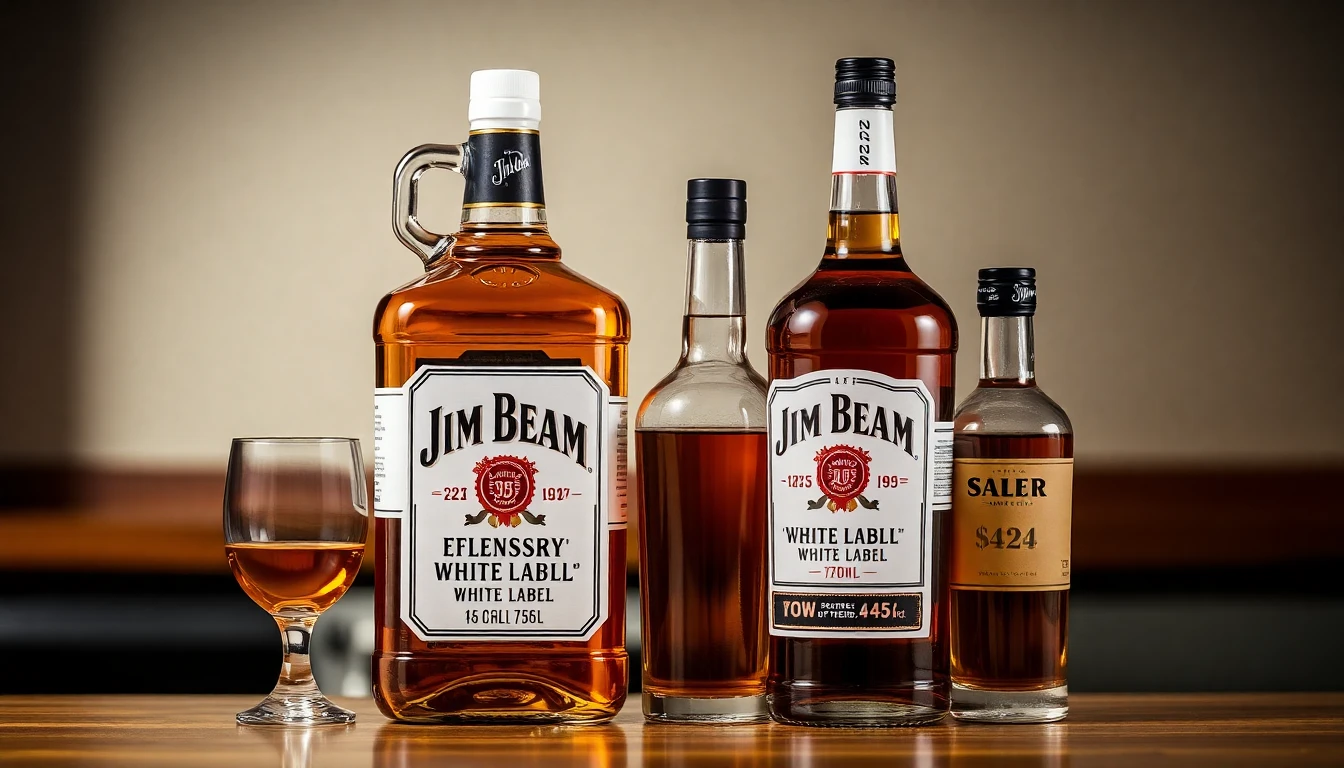
Big whiskey bottles save you serious cash. A 1.75-liter whiskey bottle—called a “handle”—costs 30-40% less per ounce compared to two 750ml bottles of the same brand. Jim Beam White Label runs about $22 for a standard bottle. The 1.75L handle? $38-42. You get 2.3 times more whiskey for 1.7 times the price.
Liter bottles sit right between standard and party size. European distillers ship these to U.S. markets. Brands like Jameson and Glenfiddich offer them. You get 33% more whiskey. The price jumps just 20-25% above the 750ml bottle. The math works for regular drinkers.
The 1.5-liter magnum is hard to find in whiskey. wine collectors know this size well. Whiskey distillers skip it most of the time. Too big for singles. Too small for venues. Costco and Total Wine stock some 1.5L bottles of Crown Royal and Jack Daniel’s. But finding them takes work.
Who Should Buy Large Format Bottles
Home bar builders stock 1.75L handles of mixing whiskeys. Making Old Fashioneds and Whiskey Sours every weekend? That handle of Buffalo Trace lasts 2-3 months instead of 3-4 weeks. Restaurant and bar owners buy cases of handles. The margins improve. Bottles need changing less during service. Storage space shrinks. Heavy drinkers get the best value here. Drink 2-3 glasses per week? The 1.75L bottle runs 12-14 weeks before you finish it. Quality stays solid in sealed bottles. Once opened, oxidation kicks in after 8-12 months.
Party hosts grab handles for events. Wedding reception. College reunion. Super Bowl party. You need volume. The handle delivers 39 shots versus 17 in a standard bottle. One less thing to worry about with 30 people wanting drinks.
Skip large formats for premium whiskeys. That $80 bottle of Booker’s in a 1.75L format? Bad move. You won’t finish it before the whiskey loses character. Stick to handles for everyday brands priced under $45 per standard bottle.
Collector and Special Edition Sizes (3L+)
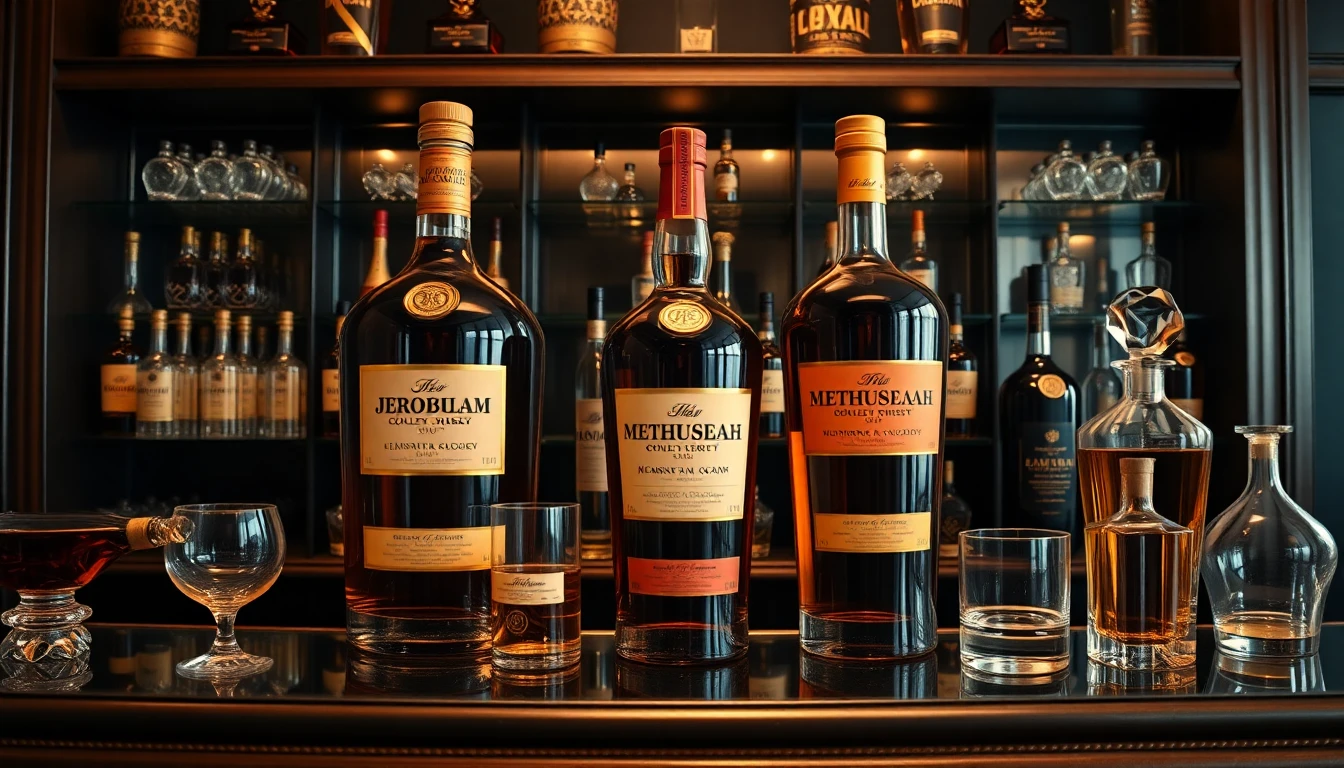
Giant whiskey bottles exist for show, not use. The 3-liter Jeroboam stands tall next to standard bottles. The 6-liter Methuselah makes everything on your shelf look tiny. These whiskey bottle sizes have one main goal: making a statement.
Distilleries make these sizes in small batches. Limited editions of top scotch. Anniversary releases from Japanese makers. Rare bourbons that never hit regular stores. Production runs stop at 50-200 bottles worldwide. Macallan, Glenfiddich, and Pappy Van Winkle release 3L+ sizes to create buzz. They also use them to reward serious collectors.
The pricing? It’s wild. A standard 750ml bottle of Macallan 25 costs $1,200-1,500. The 4.5-liter Rehoboam? That goes for $12,000-18,000 at auction. You’re not paying for the liquid amount. You’re buying rarity. You’re buying bragging rights. You’re buying investment value.
Where These Bottles End Up
Luxury hotels put them behind bar counters. The Ritz-Carlton and Four Seasons use 3-liter bottles as decor. Sometimes they pour from them for VIP events. Nightclubs in Dubai, Monaco, and Las Vegas stock Methuselahs for bottle service. Drop $25,000 on table service? They’ll bring that 6-liter Johnnie Walker Blue Label to your table with sparklers on it.
Private collectors treat these whiskey bottles like art. Climate-controlled storage keeps them safe. Insurance policies protect the investment. Appraisals happen every 2-3 years. The whiskey inside? It matters less than the package. Selling a Jeroboam of Macallan 18? Expect a 40-60% markup over the same volume in standard bottles. Finding buyers is the hard part. Sotheby’s and Christie’s handle most sales.
Corporate gifting pushes some sales. Tech companies and finance firms buy 3-liter bottles as executive retirement gifts. Distilleries sell them straight to corporate accounts. These whiskey bottles stay closed. They sit in offices as trophies. The reality? These sizes don’t work for drinking. Opening a 6-liter bottle means oxidation ruins 4+ liters of whiskey. You won’t finish it for years. Pour it into smaller bottles? You kill the collector value right away. Most owners never break the seal.
Price Comparison Across Bottle Sizes
Your wallet shows the difference right away. Same whiskey. Different whiskey bottle. Big price gaps per ounce.
A 50ml miniature of Maker’s Mark costs $6 at most liquor stores. Scale that up to 750ml? You’d pay $90. Walk three steps to the right. Grab the standard bottle for $28. You just saved $62 for the same whiskey. The miniature charges you 221% more per ounce.
This pricing gap exists across every brand. Here’s what you pay:
Bottle Size | Maker’s Mark Price | Price Per Ounce | Premium vs 750ml |
|---|---|---|---|
50ml | $6 | $3.60 | +321% |
200ml | $13 | $1.91 | +123% |
375ml | $18 | $1.44 | +68% |
750ml | $28 | $0.86 | Baseline |
1L | $36 | $0.76 | -12% |
1.75L | $42 | $0.71 | -17% |
The pattern holds across bourbon, scotch, and rye. Buffalo Trace in a 50ml format runs $0.18 per milliliter. The 750ml bottle? $0.04 per milliliter. You’re paying 4.5 times more for convenience.
Why Small Bottle Premiums Make Sense
Production costs don’t scale with liquid volume. Each miniature needs its own glass whiskey bottle. Its own cap. Its own label. The bottling line runs at the same speed for 50ml or 750ml containers. Labor costs stay the same per unit. Distribution costs add up too. Shipping cases of miniatures costs more per ounce than shipping standard bottles. Retailers lose margin on small formats. They charge higher markups to make up for it. A liquor store makes $8-12 profit on a $28 standard bottle. That $6 miniature? Profit drops to $1.20-1.80.
Smart buyers use this knowledge. Test expensive whiskeys in small formats. Accept the premium as research cost. Found bottles you love? Buy standard or large formats. The savings add up fast. Stock your home bar with 1.75L handles of mixing whiskeys. Keep 750ml bottles of sipping whiskeys. Get miniatures for trying new things. This approach cuts your yearly whiskey spending by 25-35%. You drink the same stuff, just pay less.
Conclusion
In summary, the right whiskey bottle size is more than a practical choice—it’s a key part of your brand’s story, shelf appeal, and consumer experience. From compact 50ml samplers to impressive 1.75L display bottles, each size serves a unique purpose in connecting with your audience.
At TP Glass Bottle Manufacturer, we specialize in crafting high-quality, custom glass bottles tailored to your vision and market needs. Whether you’re launching a new whiskey line or refining your packaging strategy, our expertise ensures you get the perfect bottle that reflects your brand’s quality and character. Let’s bottle your story together—contact us today to discuss your next project.