

Glass is already linked to quality and sophistication, and Embossed Glass bottles elevate this by adding unique tactile and visual elements that enhance the overall brand experience. A premium brand experience is essential for standing out and building consumer loyalty, and packaging—often the first physical touchpoint—plays a critical role.
Table of Contents
The Psychology Behind Packaging “Premium”
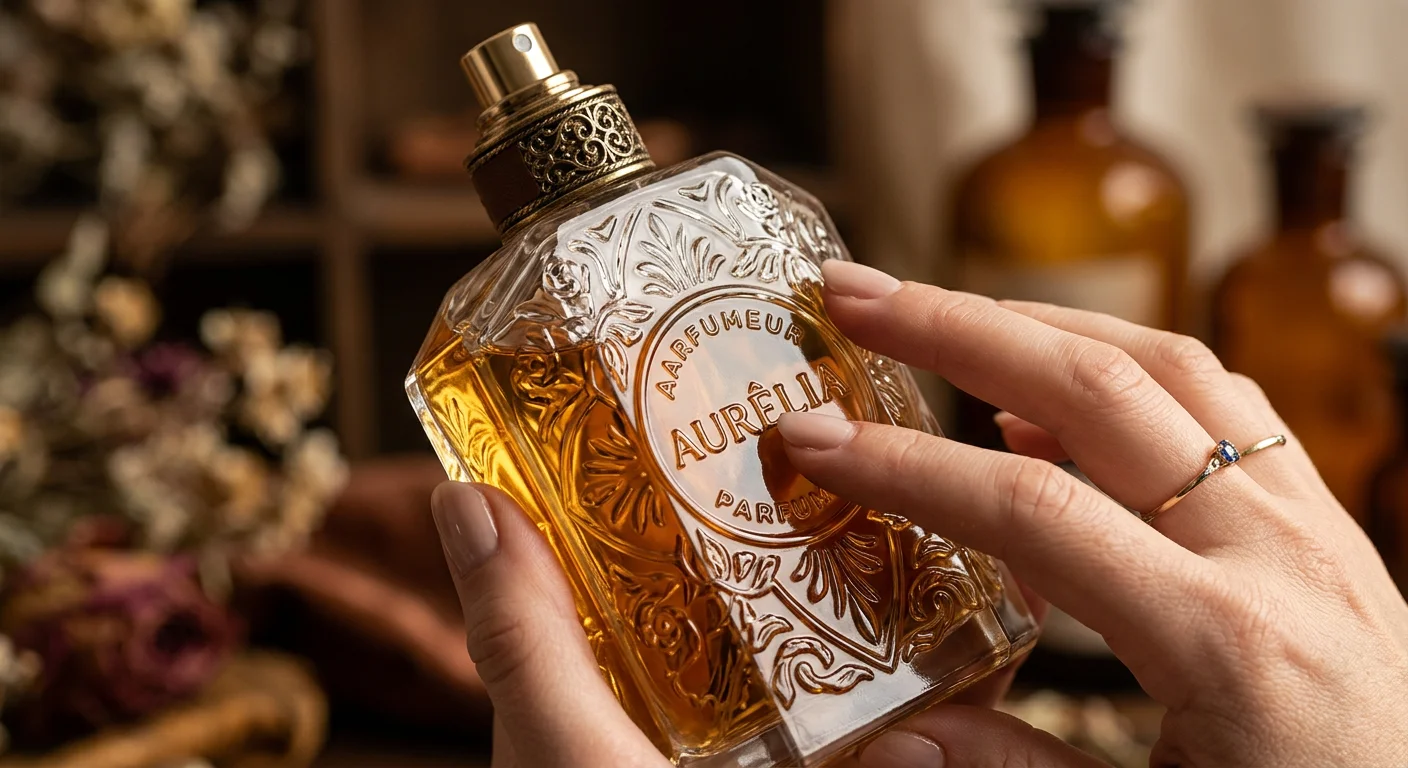
Science has a name for what happens when your fingers meet a raised embossed surface: haptic perception. Your brain processes that tactile signal faster than you read a single word on the label.
This isn’t soft philosophy. It’s measurable consumer behavior.
Controlled perception tests compared embossed glass bottles against bottles with standard printed labels. Researchers found something striking: participants rated the contents of embossed bottles as higher quality — even when both bottles held the exact same product. Same formula. Same fragrance. Same everything. The one variable was the packaging surface.
The embossed bottle won. Every time.
Touch Triggers Trust — Before the Brain Even Catches Up
Here’s what’s happening beneath the surface (literally):
Run your thumb across a raised logo or a textured glass pattern. Your nervous system fires a cascade of sensory signals. The brain reads those ridges, that depth, that resistance as effort and craftsmanship. We’re wired, deep in our biology, to link textural richness with value. Smooth and flat reads as ordinary. Dimensional and detailed reads as made with intention.
Premium spirits, luxury skincare, and high-end fragrance houses have invested in embossed Glass packaging for decades. They’re not paying extra for looks alone. They’re buying a direct shortcut into how customers judge worth.
Consumer perception research points to three clear patterns:
Perceived product value increases with tactile embossing — often far above the actual cost difference between embossed and non-embossed production
Purchase willingness rises even among price-sensitive buyers — embossed glass signals that the brand cares enough to invest in the details
Post-purchase satisfaction improves — customers who received products in embossed glass bottles felt better about their purchase decision, which cuts down on buyer’s remorse
The Label vs. The Bottle: Why One Outlasts the Other
Printed labels peel. They fade. They absorb moisture and lose their edges. An embossed Glass Bottle never loses its story. The brand identity is part of the material itself — permanent, impossible to fake, and too costly to copy on the cheap.
That permanence tells customers something printed packaging cannot: we built this to last.
For buyers, that message builds real confidence. Confidence — more than any discount or clever tagline — is what moves someone from browsing to buying.
How Embossed Glass Bottles Trigger an Emotional “This Is Worth It” Response
The Sensory Path From Fingertip to Brand Memory
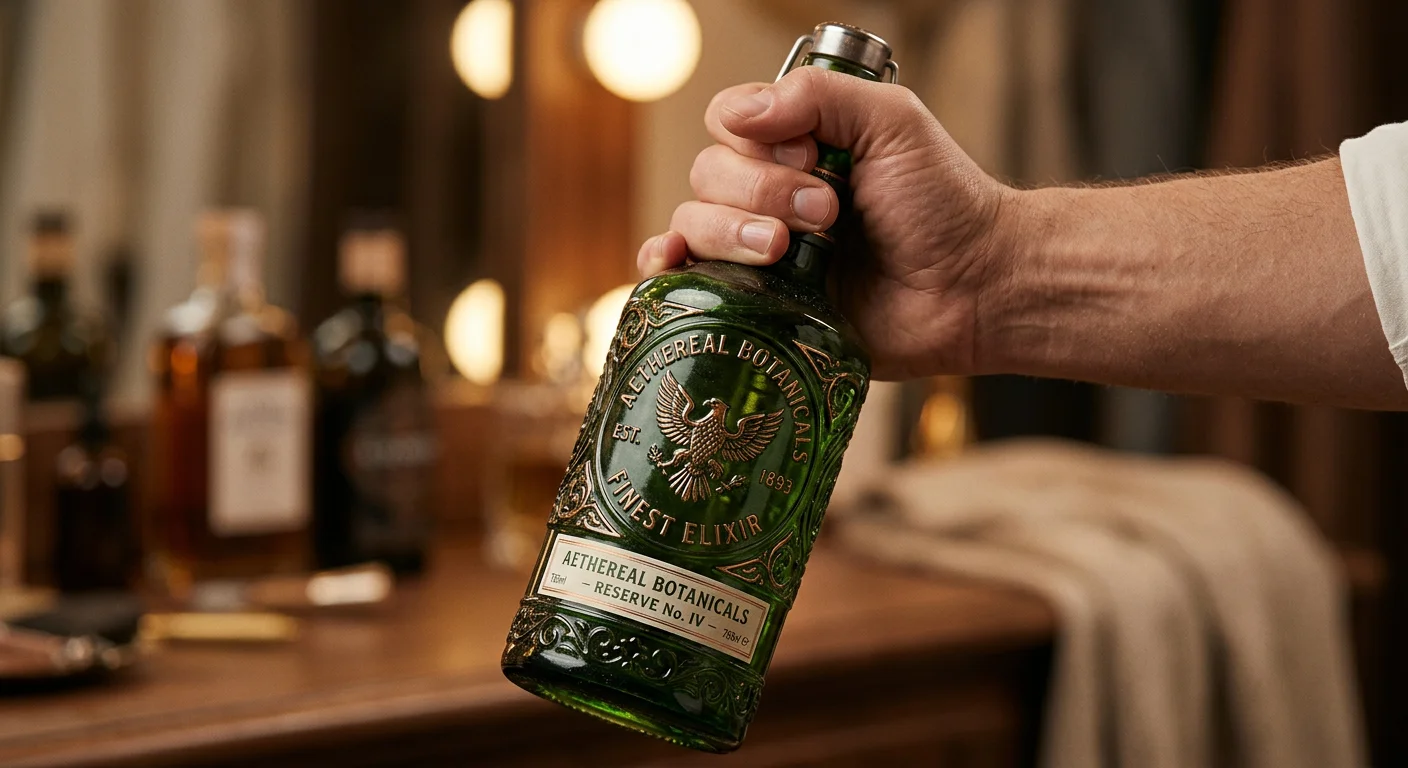
There’s a clear sequence that plays out every time someone holds a well-crafted embossed glass bottle. That sequence explains why certain bottles stay in your memory for years after purchase.
The raised surface of an embossed bottle creates micro-friction under your fingertips. That small physical push — the way a logo’s edges press back against your skin — tells the brain one thing: this was put here on purpose. A decision was made about this texture. You can feel that decision.
Then comes weight.
Dense glass makes embossed bottles heavier than plastic or thin-glass alternatives. That extra heft sends a simple, old signal: this cost something to make. Humans have linked physical weight with material value long before modern retail existed. That instinct doesn’t switch off at the beauty counter or the liquor aisle.
That’s the full sensory path: hand → emotion → brand memory. Embossed glass bottles guide customers down that path every time someone picks one up.
How Dior and Guerlain Turned Embossed Glass Into Brand Signatures
Top luxury brands didn’t land on tactile packaging by chance. The most iconic bottles in the world are the result of deliberate sensory engineering.
Dior Prestige covers its jar and bottle surfaces with raised relief patterns that mirror the detailed embroidery found on haute couture fabric. This isn’t decoration for decoration’s sake. It’s cross-sensory storytelling with a clear goal. Run a finger across the surface and you feel fashion. The embossed texture acts as a physical bridge between the skincare ritual and the Dior brand world. Customers end up describing the packaging itself as part of why they love the product. That’s a powerful outcome from a design choice.
Guerlain’s Bee Bottle — the Abeilles flacon — may be the most recognized piece of embossed glass in fragrance history. Dozens of raised bees cover the surface. Each one is sharp and distinct under your fingertip. The bees aren’t just a visual logo. They’re a sensory event. Long-time Guerlain users describe touching the bees as a ritual — a moment of recognition, like greeting something familiar. That kind of loyalty doesn’t come from advertising. It comes from touch.
Both cases point to the same truth about embossed glass bottles: the texture doesn’t just decorate the brand story — it delivers it.
Brand Identity Locked in Glass: How Embossing Transforms a Bottle Into a Visual Brand Asset
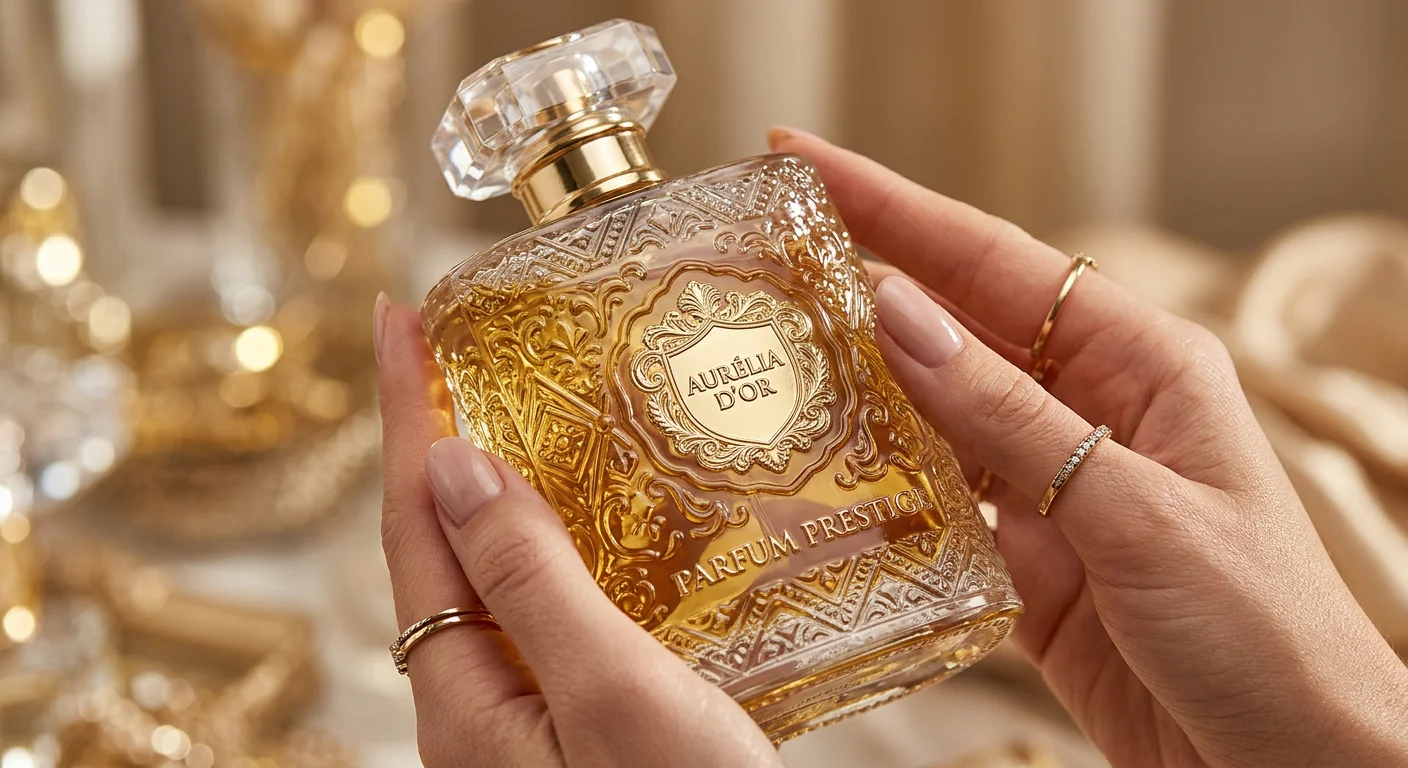
Design Language You Can Read With Your Eyes Closed
Think about what Aesop, La Mer, and Chanel have built over decades. Three very different brands. Three distinct visual languages. Yet they share one packaging philosophy: the bottle must say something before a single word of copy does the work.
Aesop built its entire visual identity around deliberate minimalism. No embossed florals. No ornate crests. You get restraint as a design statement — clean glass geometry, precise proportions, and the quiet confidence of a brand that doesn’t need to shout. Aesop introduces surface texture or form-based detailing sparingly. It lands harder because everything else is stripped back. The contrast is the message: we chose this on purpose.
La Mer takes the opposite approach. The brand’s mythology — the seaweed, the sea kelp, the story of Dr. Max Huber’s obsessive 12-year formula development — lives inside its packaging. Dimensional detailing on La Mer vessels signals depth and heritage. The bottle tells you: what’s inside has history. You’re not buying moisturizer. You’re buying decades of a story compressed into a jar.
Chanel No. 5 may be the most studied bottle in packaging history. The clean rectangular flacon with its beveled edges and stopper — simple at first glance, but instantly recognizable. The form itself is the brand mark. That stopper shape has stayed consistent for over a century. Every dimensional detail ties now back to 1921. That kind of visual consistency builds something no advertising budget can manufacture alone: institutional memory.
When the Bottle Outlives the Campaign
Here’s the commercial logic behind investing in embossed glass as a brand asset: campaigns expire. Trends shift. But a bottle’s physical form stays the same on every shelf, in every market, across every year it’s sold.
A printed label can be updated overnight. A font can be changed. A color palette can be refreshed. But an embossed mold is a commitment. Brands know that. Consumers feel it — even when they can’t say why.
That commitment signals continuity. And continuity, in brand perception, reads as trustworthiness.
Visual consistency across all bottle surfaces creates instant recognition — customers identify the brand before they read a single word
Heritage detailing — a signature crest, a repeated motif, a distinctive stopper shape — tells customers the brand has a story deep enough to encode in glass
Non-removable branding keeps the identity intact through transit, through retail environments, through unboxing, all the way to the bathroom shelf
Practical Advantages That Support the Premium Positioning
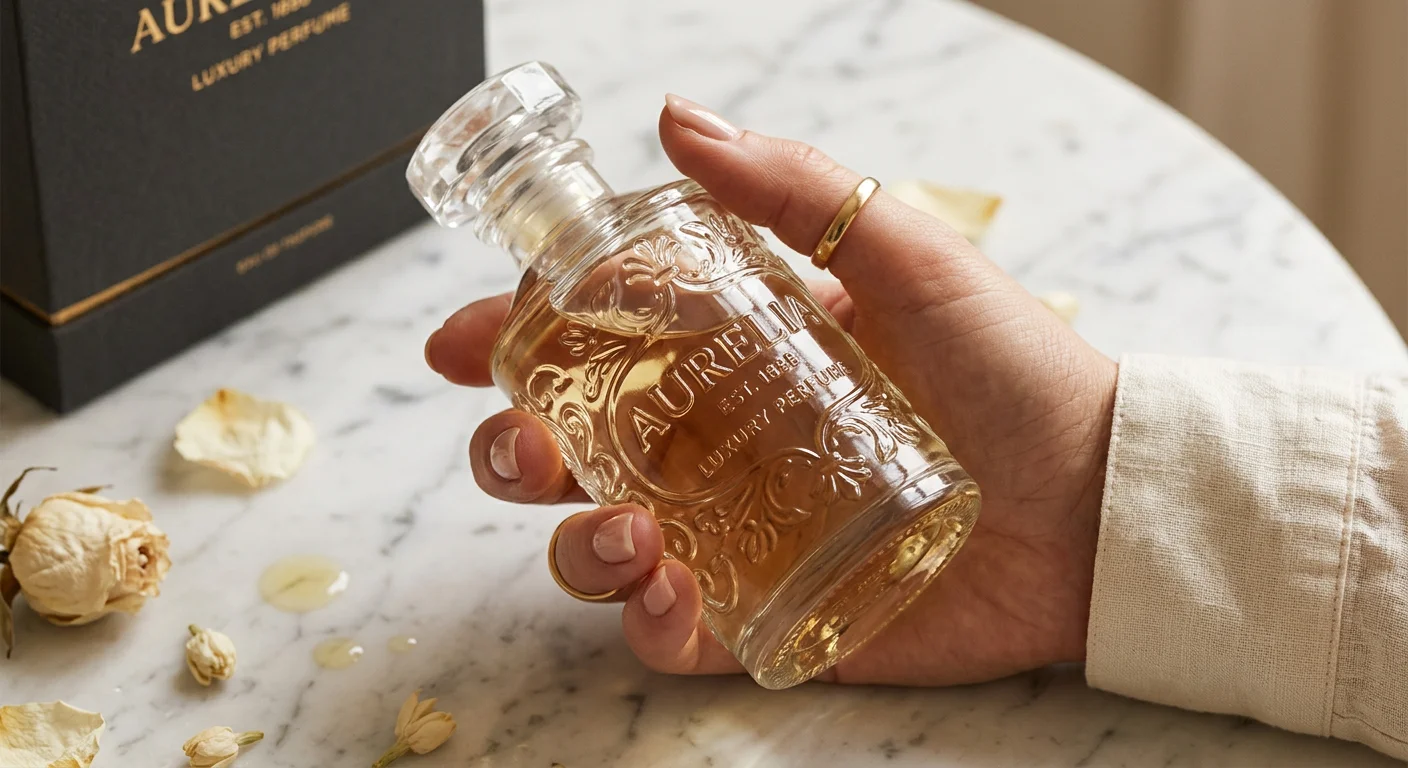
Aesthetics opened the door. But durability is what keeps customers walking back through it.
Embossed glass bottles solve a problem that printed packaging never escapes: the slow, steady deterioration of the surface that carries your brand. Paper labels absorb moisture from bathroom shelves, bar carts, and refrigerated displays. The corners lift. The ink fades. The logo that once looked sharp starts to look tired. For a premium product, that visual decay is a real problem — packaging condition shapes how customers feel about what’s still inside.
Embossing cuts out that weakness. The brand identity isn’t applied to the surface. It’s formed inside the glass itself, at the point of manufacture. No adhesive to fail. No ink layer to erode. No edge to peel back in humidity. A bottle leaves the production line with crisp, raised embossing. That same crispness stays intact on the shelf, through transit, and into the customer’s home — months or years later.
That’s not a minor operational detail. That’s consistent brand presentation with zero ongoing maintenance cost.
The Durability Advantage, In Plain Terms
Look at what printed packaging faces across a typical product life cycle:
Moisture exposure from bathroom steam, refrigeration condensation, and outdoor retail environments weakens label adhesives and causes ink to bleed
Physical contact — stacking, shipping friction, shelf handling — wears down label edges and surface printing over time
UV light in retail environments fades printed colors over weeks, pulling brand colors away from their intended values
Embossed glass sidesteps all three. The raised design holds up through every condition that destroys a printed label. Not one detail gets lost. For brands selling through high-end retail, travel retail, or direct-to-consumer gifting, that durability protects the premium signal at every point where a customer might first see the product.
The Environmental Signal That Eco-Conscious Premium Buyers Are Paying For
Here’s a shift reshaping the premium market: sustainability has become a purchase driver, not just a brand footnote.
The eco-conscious premium buyer — a growing, high-spending consumer segment — isn’t choosing between luxury and environmental responsibility. They want both at once. They’ll pay above-market prices when packaging genuinely delivers on that combination.
Embossed glass bottles hit this intersection with real precision.
Glass is endlessly recyclable. Plastic degrades in quality with each recycling cycle. Glass doesn’t — you can melt it down and reform it again and again without losing structural integrity. For this consumer group, that material fact carries weight. But the embossing detail is what completes the signal.
Here’s why: embossed glass communicates investment in longevity. The bottle was built to last, to be refilled, to be repurposed, to be kept. That design thinking lines up with what eco-conscious premium buyers value — they have no interest in packaging built to be thrown away fast. They want objects built with a longer life in mind.
The result is a brand signal that speaks two languages at once:
To the luxury buyer: this bottle reflects the standard of quality inside it
To the sustainability-minded buyer: this brand thought beyond the transaction
Brands that get this right — those that pair the recyclability of glass with the craftsmanship signal of embossed detailing — are positioned to capture both segments. That’s not a small competitive edge. Premium buyers are sorting brands by values just as much as by product performance. Hitting both marks is a real differentiator.
The practical case for embossed glass bottles comes down to this: the premium positioning doesn’t need defending every time a label peels or a color fades. The glass holds the argument. Without question.
Conclusion
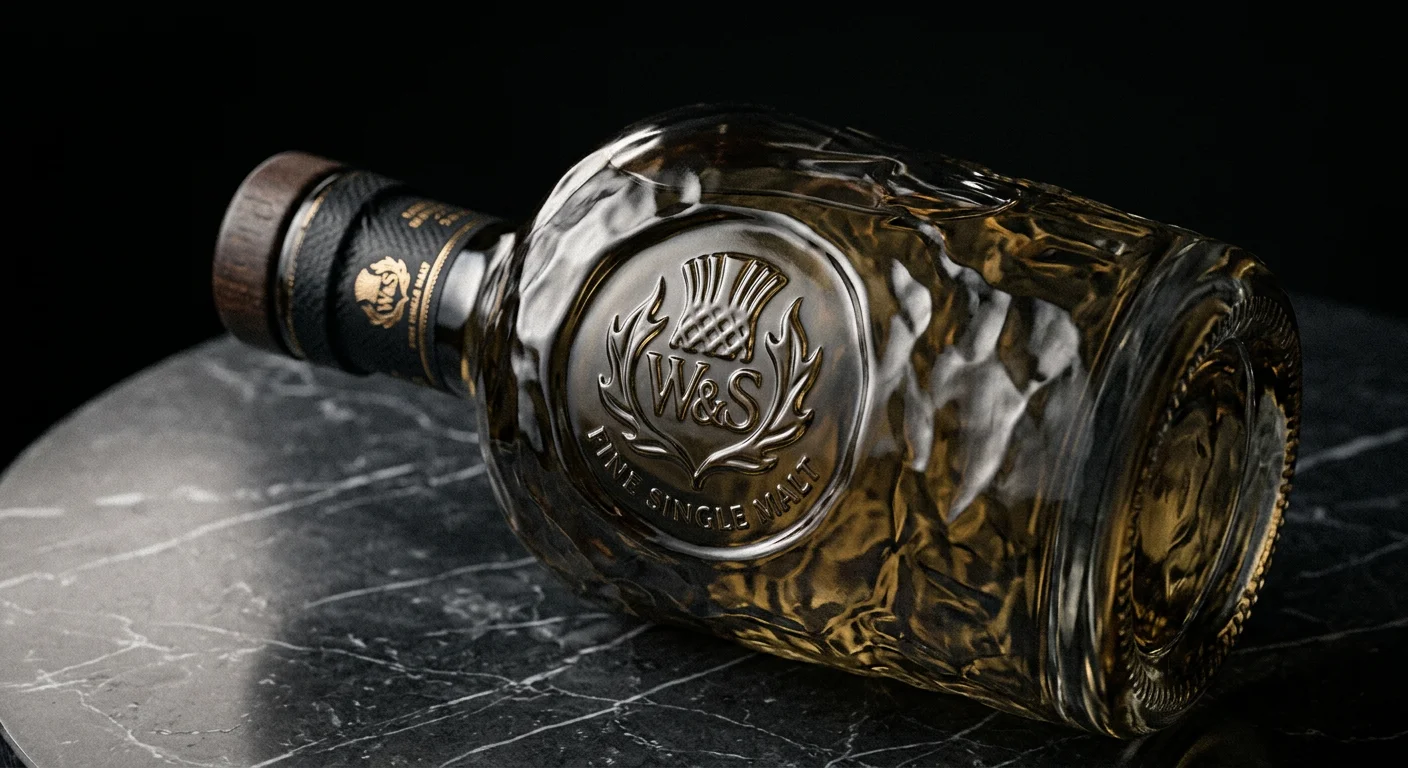
Embossed glass bottles create a premium brand experience by blending tactile texture, visual distinction, and brand storytelling—turning packaging into a memorable touchpoint that reinforces luxury and builds consumer trust. For brands looking to elevate their image with this premium packaging, partnering with a reliable manufacturer is key.
At TP Glass Bottle Manufacturer, we specialize in high-quality embossed glass bottles, using advanced techniques and strict quality control to bring your brand’s unique embossed designs to life. We offer customizable solutions tailored to your needs, ensuring each bottle not only boasts exquisite embossing but also preserves product quality, helping your brand stand out in a competitive market. Choose us to turn your packaging into a premium asset that resonates with customers and elevates your brand value.