

For luxury brands—whether in spirits, cosmetics, or premium beverages—packaging is more than just a container; it is an extension of the brand’s identity and a key touchpoint with consumers. Among all packaging materials, glass stands out for its inherent qualities that align perfectly with the needs of luxury branding. Its clarity, durability, and versatility make it a preferred choice for luxury products, and luxury Glass bottles, in particular, have become a powerful tool for brands to convey quality, exclusivity, and sophistication. This article explores how luxury glass bottles contribute to enhancing brand value in the competitive luxury packaging market.
The Psychology Behind Glass: Why Luxury Consumers Perceive Higher Value
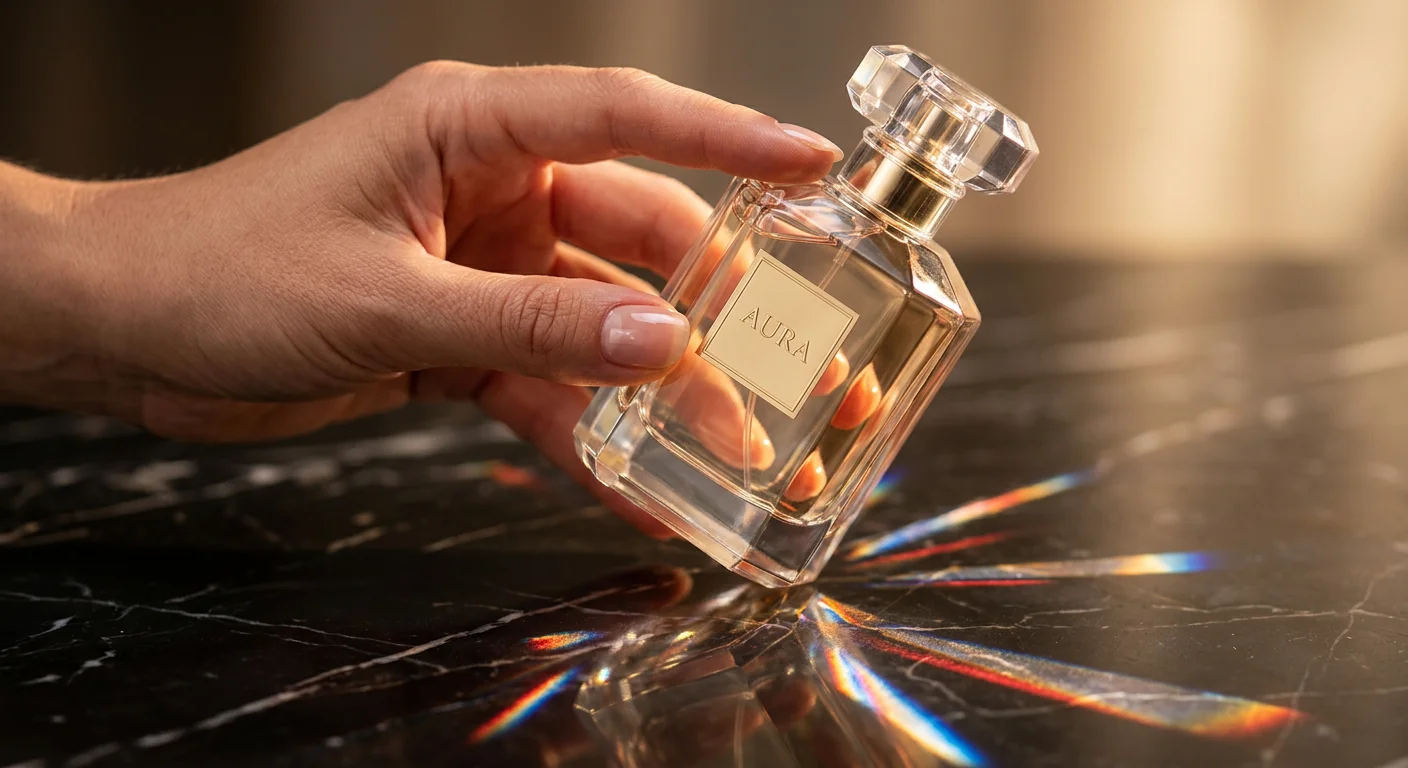
Weight matters more than most brands realize.
Pick up a heavy Glass Bottle and something shifts in your brain. Not a thought — a feeling. You don’t think this is high quality. You just feel it. That’s sensory psychology at work.
Research confirms what luxury brands have known for decades: 75% of fragrance consumers make purchasing decisions based on packaging alone — before they’ve smelled a single note. The bottle isn’t supporting the product. In many cases, it is the product. Or at least, it’s the first version of the product a customer ever experiences.
What Glass Communicates That Other Materials Can’t
Plastic feels disposable. Metal feels industrial. Glass feels permanent.
That difference goes deeper than looks. A Luxury Glass Bottle triggers a set of emotional associations that took centuries to build:
-
Purity — Glass doesn’t react with what’s inside it. Customers pick up on this, even without being able to explain why.
-
Craftsmanship — The clarity and precision of high-quality glass signals real skill and intentional design.
-
Timelessness — Glass doesn’t go out of style. A well-designed luxury glass bottle looks just as compelling ten years from now as it does today.
These aren’t minor perceptions. They shape how much a customer thinks a product is worth — and how much they’ll pay for it.
The Tactile Trust Signal
Consumer psychology has a concept called haptic feedback — the idea that how something feels in your hands shapes your trust in it. Glass passes this test in ways plastic and metal don’t.
The cool surface. The satisfying weight. The feeling that what’s inside has been protected, not just stored. Those physical cues build emotional confidence. And in luxury markets, emotional confidence drives every premium purchase decision.
Visual Elegance as a Brand Signal: Design Elements That Communicate Exclusivity
Chanel No. 5’s bottle has looked the same since 1921. That’s not laziness. That’s genius.
Coco Chanel worked with designer Fernand Léger to create something stark and clean — rectangular lines, beveled edges, a minimal silhouette that broke every ornate rule of 1920s perfume packaging. Customers didn’t just recognize it. They remembered it. Over a century later, that same bottle shape still signals one thing: luxury. No logo required.
That’s the real power of design done with purpose. A great luxury glass bottle doesn’t need to announce itself. It communicates exclusivity before anyone touches it, smells it, or reads a single word.
How Light Becomes a Design Tool
Most brands think about shape and color. The best brands think about light.
Glass has a unique relationship with light. No other packaging material comes close. Cut, beveled, or pressed with precise geometry, high-quality glass doesn’t just reflect light — it plays with it. Refracts it. Breaks it into movement.
That’s why serious luxury glass bottle design focuses so hard on transparency and optical clarity:
-
High-clarity glass makes the liquid inside look richer, deeper, more saturated — even with the exact same formula in a different bottle
-
Beveled edges and faceted cuts create prismatic light effects that shift as the bottle moves — a static object that feels alive
-
Gradient tinting — fading from deep to clear — adds visual depth and a sense of craft that a flat-colored bottle can’t match
Light isn’t just decoration here. It’s information. It’s the visual shorthand that tells a customer this was made with intention, not convenience.
Custom Molds: When a Bottle Shape Becomes a Brand Asset
Off-the-shelf bottles save money. They also hand your brand’s first impression to a commodity supplier.
Investing in a custom mold changes the math. Brands that commit to proprietary bottle shapes — unique silhouettes built from scratch — create something competitors can’t copy without obvious imitation. The bottle stops being packaging. It becomes intellectual property.
Think about what that means in practice:
-
A distinctive silhouette stands out on a crowded retail shelf — you spot it before you read anything
-
Embossed brand marks or engraved textures add tactile depth that photography can’t capture — giving customers a reason to pick up the bottle
-
Unconventional proportions (a tall neck, an asymmetric base) signal that someone made a real decision here, not just a default choice
Chanel’s lesson isn’t about minimalism. It’s about commitment. They chose a shape. They owned it. They never abandoned it. Decades later, that consistency turned a glass container into a cultural icon — one that commands a price premium most brands can only dream about.
That’s what great luxury glass bottle design does. It converts visual elegance into brand equity, one silhouette at a time.
Tactile and Multisensory Experience: Turning Packaging Into a Brand Ritual
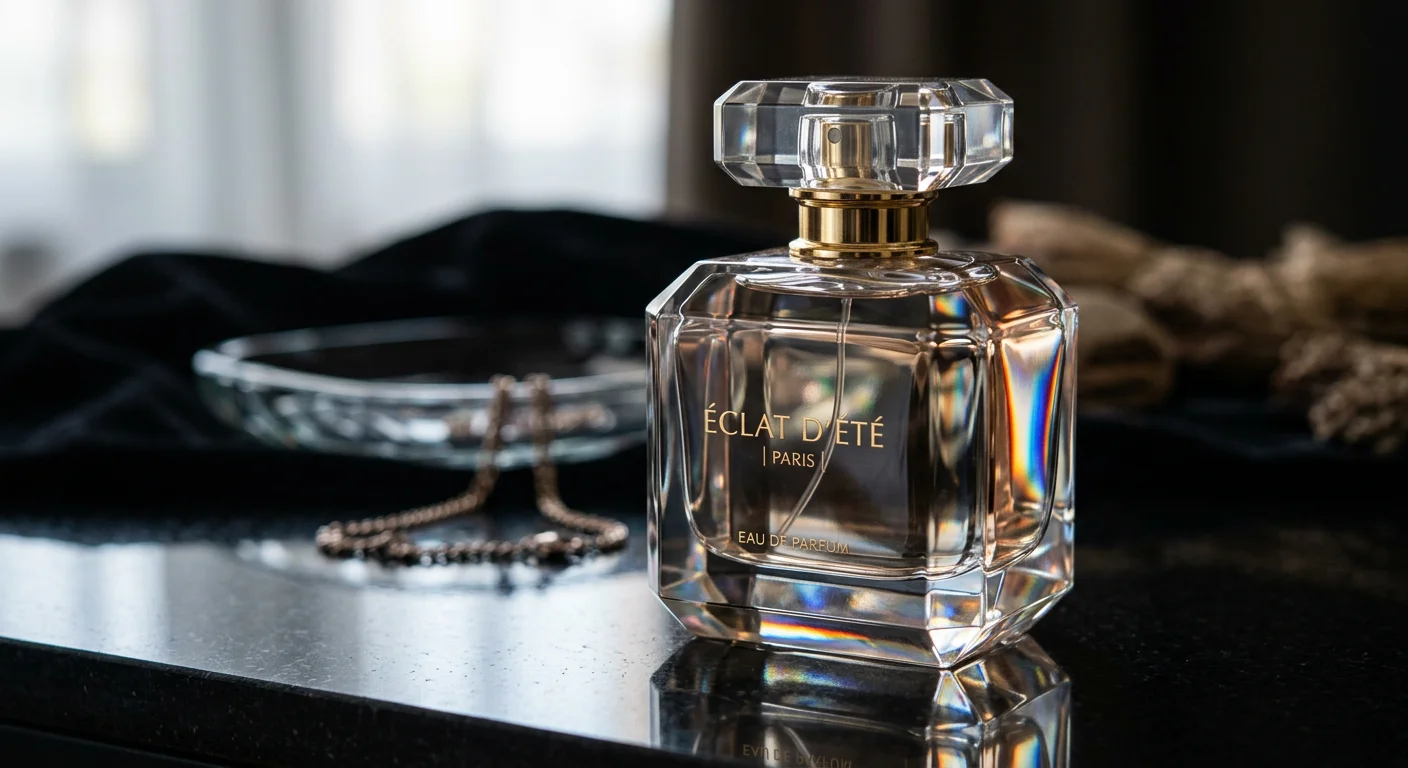
Luxury doesn’t end when the customer picks up the bottle. That’s where it begins.
Touch is the sense that closes the deal. You can photograph a bottle with perfect lighting. You can describe it with precise language. But nothing replaces the moment a customer wraps their hand around a heavy, cool, well-balanced luxury glass bottle — and feels something they can’t quite name but trust without question.
That feeling? That’s brand ritual in the making.
Sound as a Design Material
SYREN’s Black Caviar fragrance made a choice most brands would never consider. They built sound directly into the bottle.
Tiny glass beads sit sealed inside a hollow base. Move the bottle, and they shift. The result is a soft, subtle rattle. Quiet. On purpose. Completely surprising. Pick the bottle up — you hear it. Set it down — you hear it again. This bottle doesn’t just sit on a shelf. It performs.
That sound detail does something powerful. It stretches the moment of contact. Instead of one quick sensory impression, the customer gets a sound — a specific, ownable sound — that belongs to that brand alone. It becomes part of the memory. Part of the ritual.
That’s the core logic behind multisensory luxury glass bottle design. Engage more senses, and the emotional connection lasts longer.
Why Longer Contact Means Stronger Loyalty
Emotional contact time isn’t just a nice idea. It produces real, measurable results.
A customer who spends more time handling packaging — turning it over, feeling the texture, listening to it, watching light pass through it — builds deeper emotional investment. That investment doesn’t stop at checkout. It follows them home.
It shows up in repeat purchases. It shows up in how eagerly they recommend a product to others. Plus, it shows up in social sharing — because people want to share experiences that genuinely surprised them.
A luxury glass bottle built to engage multiple senses turns a transaction into a memory. And memories, unlike discount codes, don’t expire.
The brands that understand this don’t just design bottles. They choreograph experiences — one texture, one sound, one unexpected detail at a time.
Customization as Brand Storytelling: From Standard Bottle to Signature Icon
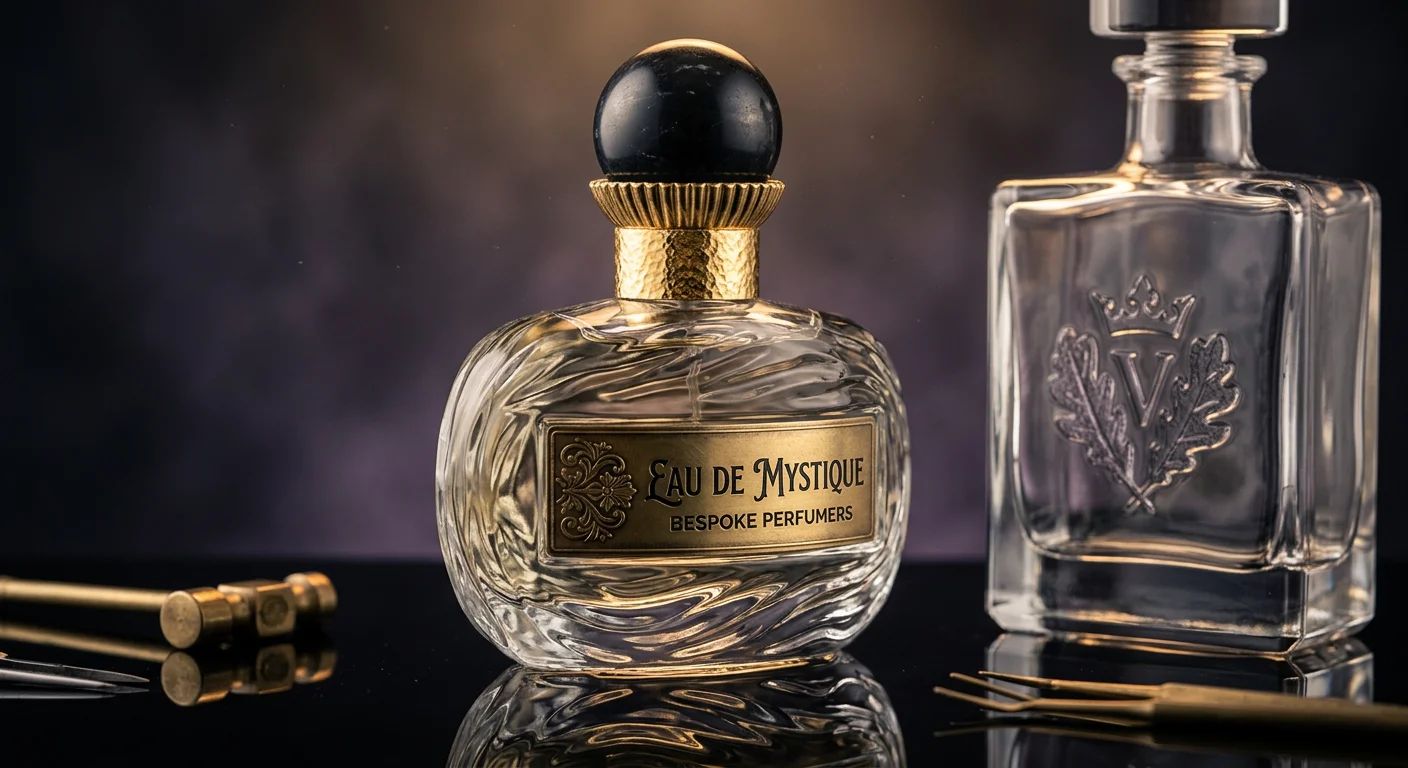
Standard bottles tell customers nothing. Customized ones tell them everything.
A brand picks a proprietary finish, a hand-applied detail, or a surface treatment that no commodity production line can copy. At that point, something shifts. The bottle stops being a vessel. It becomes a narrator — one that speaks to craftsmanship, intention, and worth before the customer reads a single ingredient or hears a single brand promise.
This is where the real work of luxury packaging happens. Not in the formula. Not in the marketing copy. In the craft decisions made on the glass itself.
The Finishing Techniques That Do the Talking
Every surface treatment in high-end luxury glass bottle production carries its own message:
-
Gold stamping (hot foil) speaks to heritage and authority. It catches light in a way that feels deliberate, almost ceremonial — a clear signal that this product belongs to a specific tier of expectation
-
Embossing and debossing add dimension that photography cannot capture. Customers feel the brand mark under their fingertips. That tactile moment makes ownership feel more real, more personal
-
Hand-painted detailing signals scarcity. No two bottles are identical. The slight variation between them is not a flaw — it is proof that a human being, not a machine, was the last to touch this product
-
Multi-stage hand polishing is the most invisible technique with the most visible impact. The result is not obvious at first glance. You see a surface so refined it reads as expensive — and you cannot quite put your finger on why
Together, these techniques do not just decorate a luxury glass bottle. They define it.
La Prairie’s 17-Step Argument for Premium Pricing
La Prairie’s Skin Caviar collection makes this case better than most.
Their signature bottle goes through 17 separate hand-polishing stages before it reaches a customer. Seventeen. Not seven. Not one pass through a machine. Seventeen distinct human touches, each refining the surface a little more, building toward a finish that sends one clear message: nothing here was rushed.
The business results are just as clear. That level of craft supports a retail price that exceeds $5,000 for select products — and drives a repeat purchase rate three times higher than category benchmarks.
That number is worth sitting with. Customers are not just buying the formula again. They come back for the experience of the object itself. The bottle became the reason to return.
That is what customization does at its strongest. It turns a packaging decision into a loyalty engine — one that keeps paying off long after the first purchase.
Pricing Power and Market Positioning: The 15–30% Premium Glass Commands
The numbers don’t lie, and they don’t flatter mediocrity either.
Across beauty, spirits, and skincare, brands that switch from standard packaging to a well-crafted luxury glass bottle see retail price premiums in the 15–30% range — not as a hope or a hunch, but as a documented, repeatable outcome. That’s not a marketing claim. That’s a pricing structure.
Break it down by category and the pattern holds firm:
-
Premium spirits bottled in heavy, custom-molded glass command 20–30% more than equivalent products in standard packaging — on shelves, side by side, same liquid inside
-
Luxury skincare lines that invest in signature glass components see price anchoring climb 15–25% above mass-market alternatives with similar formulations
-
High-end fragrance — where the bottle is nearly inseparable from the brand identity — can sustain premiums well above 30% when the design is proprietary and the finish is exceptional
Why Packaging Cost Shapes What Customers Think the Product Is Worth
Here’s the psychology behind those numbers. It’s more interesting than the spreadsheet version.
A brand invests in a custom luxury glass bottle instead of a commodity container. That cost signals something to the buyer — even when the buyer has no idea what the bottle cost to produce. The perceived investment becomes a price anchor. Customers don’t calculate value through logic. They feel their way to a number. A heavier bottle, a more refined surface, a clearly intentional silhouette — each of these cues pushes that felt number higher. The physical experience of holding the bottle does the pricing work before the buyer even reads the label.
Packaging cost as a share of total product cost runs 8–15% in mass-market products. In genuine luxury lines, that figure can climb to 25–40%. That’s not waste. That’s a direct signal to the customer that the product inside deserves serious consideration — and a serious price. Brands that treat packaging as an afterthought leave that signal on the table.
The bottle sets the ceiling. Everything else in your marketing works within it.
Sustainability as Luxury: How Recyclability Strengthens Brand Authority
Sustainability used to be a disclaimer. Now it’s a differentiator. The brands that figured this out first are pulling ahead. The ones still treating recyclability as a footnote on the back of the box? They’re falling behind.
Glass stands out here. A luxury glass bottle is recyclable endless times — no loss of purity, no drop in quality. That’s not a marketing spin. That’s materials science. Today’s affluent consumers factor environmental values into premium buying decisions. That fact becomes a real brand asset. You just need to know how to use it.
The key word is how. Most brands announce sustainability. The smart ones demonstrate it.
From ESG Checkbox to Brand Narrative
Prada’s Re-Nylon line didn’t just use recycled materials. It built an entire brand story around the transformation — where the material came from, how it was processed, what it meant. The glass category can do the same.
A luxury glass bottle made from post-consumer recycled content isn’t just a product. It’s a position. It tells customers that your brand’s values and their values point in the same direction.
Light-weighting takes this further. Engineers reduce raw material use while keeping the glass strong and shelf-ready. Veuve Clicquot cut bottle weight by up to 20% without losing shelf presence. That move reduced carbon output and reinforced their commitment to craft. Lighter doesn’t mean cheaper. Done right, it means smarter.
That distinction matters. Luxury consumers aren’t looking for sacrifice. They want intelligence. A brand that treats sustainability as an engineering challenge — not a PR obligation — earns something stronger than attention.
-
It earns trust.
-
Trust built through the physical object in a customer’s hands.
-
That’s the most lasting premium of all.
Conclusion
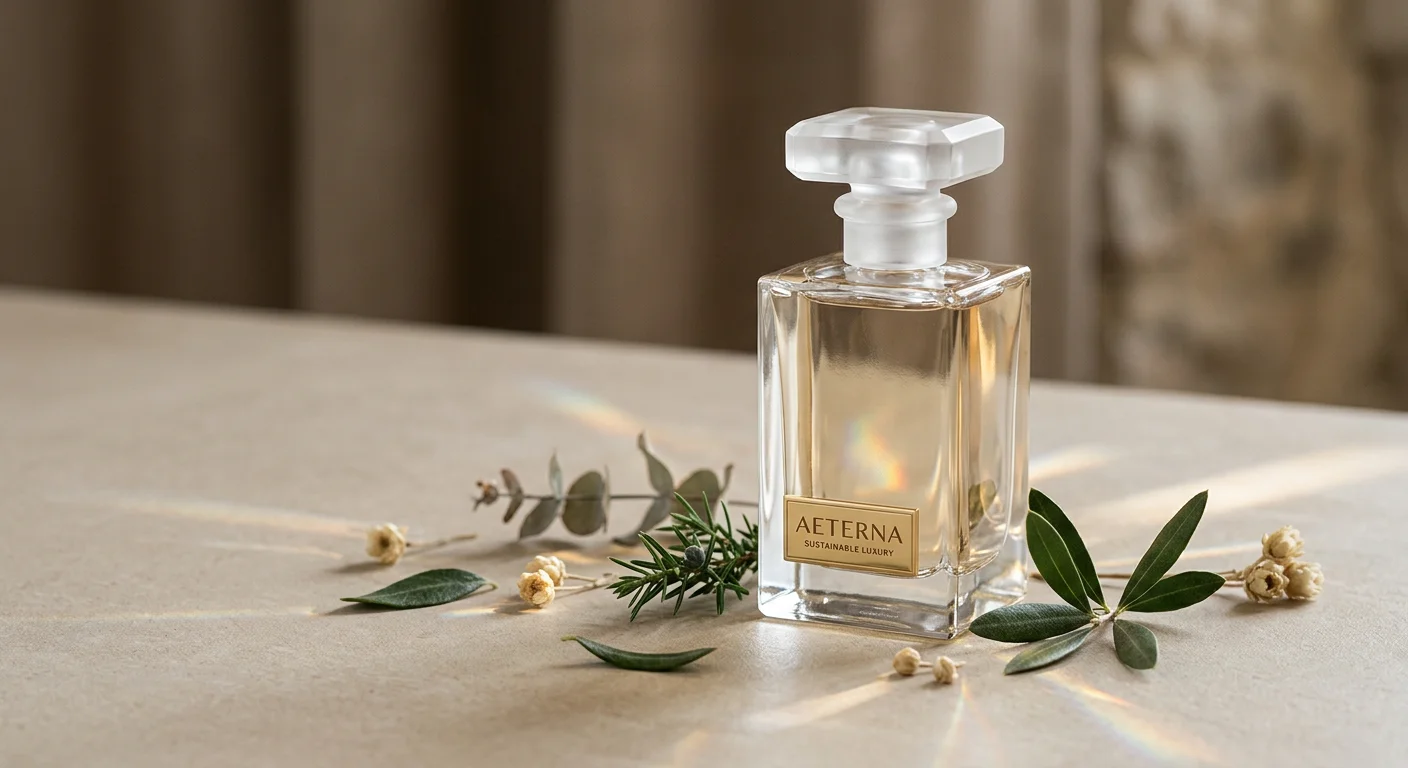
Luxury glass bottles are a vital component in elevating brand value for luxury packaging, as they inherently convey quality, exclusivity, and sophistication—traits that resonate with luxury consumers. They do not just serve as functional containers, but as a tangible representation of a brand’s commitment to excellence, helping brands stand out in a competitive market and build long-term loyalty. As a professional TP Glass Bottle Manufacturer, we specialize in crafting high-end, custom luxury glass bottles tailored to your brand’s unique identity. Our expertise in premium glass production ensures that your packaging not only meets the highest quality standards but also effectively enhances your brand’s value, helping you connect with discerning consumers and solidify your position in the luxury market.