

Glass storage jars are a common and practical item in many homes, used for keeping a variety of things from dry ingredients like flour and grains to small household items or even homemade preserves. But not all Glass jars are the same. A borosilicate glass jar handles your sourdough starter with ease. A cheap container cracks under pressure. The gap between the two is huge.
Stocking a farmhouse kitchen? Organizing a busy commercial pantry? Sourcing glass storage jars wholesale for your brand? This guide covers every decision you need to make:
- Glass type
- Lid style
- Size options
- Custom features
You’ll walk away knowing the right jar for your needs.
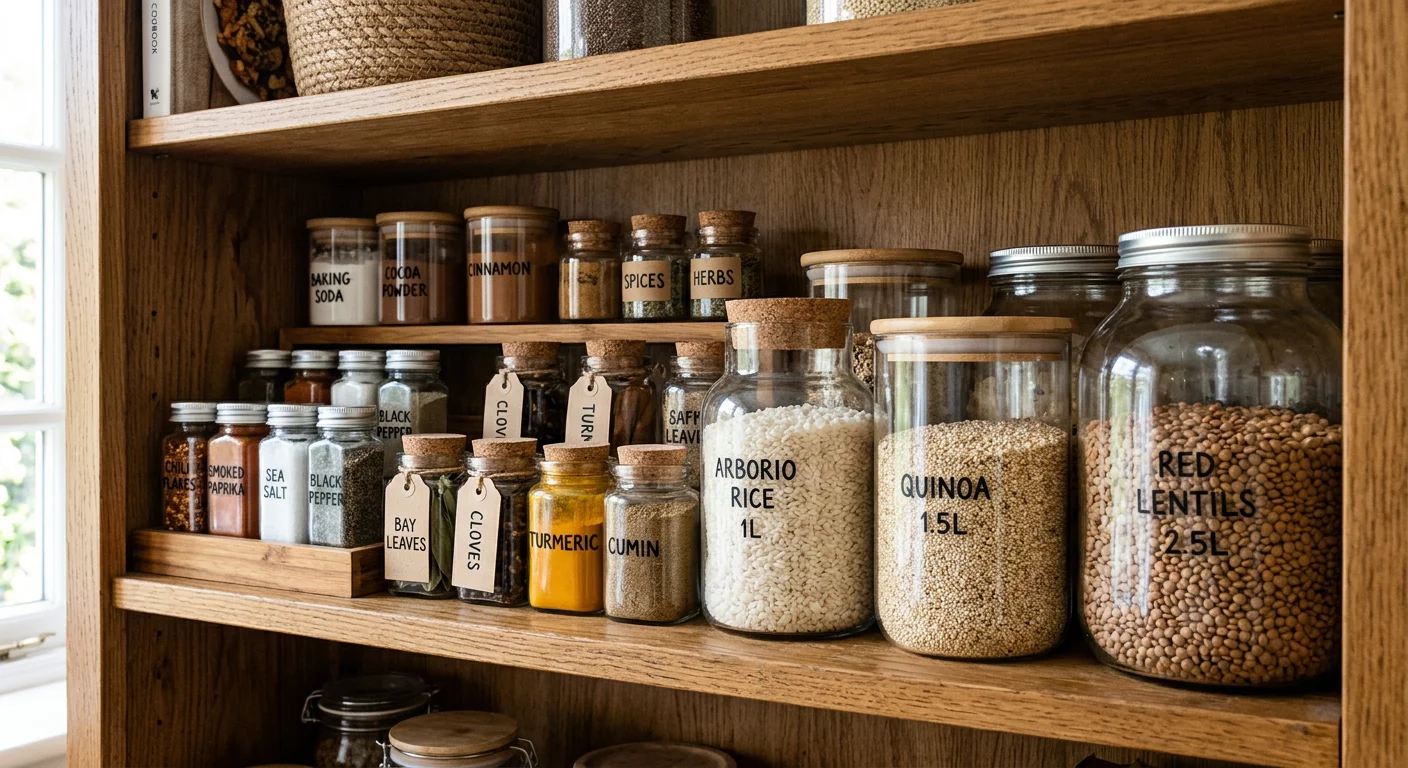
Table of Contents
Why Glass Storage Jars Are Worth the Switch (Food Safety & Sustainability)
That innocent-looking plastic container in your pantry right now? It might be doing more harm than good.
Plastic storage containers — even ones marketed as “food safe” — can leach chemicals into your food over time. Heat, acidic foods, and repeated washing all break down plastic polymers faster. The result is microscopic chemicals moving into whatever you’re storing. BPA is the most well-known culprit, but far from the only one. BPA-free plastics can also release other hormone-disrupting compounds under stress.
Glass doesn’t do any of that. Full stop.
What makes glass food safe:
- Chemically inert — Glass doesn’t react with food, acids, oils, or heat. What you put in is what comes out. No surprises.
- FDA & EU food contact compliant — Quality glass storage jars meet both FDA standards (21 CFR) and EU Regulation No. 10/2011 for food contact materials. That’s not marketing language. It’s a certification baseline that serious manufacturers must meet.
- Zero absorption — Glass doesn’t absorb odors, colors, or flavors the way plastic does. Your tomato sauce won’t haunt your next batch of oatmeal.
- Dishwasher safe, for the long haul — Glass holds up through thousands of wash cycles. It doesn’t degrade or release anything into your food over time.
The sustainability case is just as strong. One Glass Storage Jar can replace hundreds of disposable plastic bags or single-use containers across its lifetime. Glass is also fully recyclable — you can melt it down and reform it with no loss of quality or purity. Plastic can’t say the same.
For households trying to cut waste, switching to kitchen glass storage isn’t a passing trend. It’s a practical, lasting upgrade. You gain better food safety and a smaller environmental footprint — every single day.
Step 1: Define Your Use Case — Match the Jar to What You’re Storing
Here’s something nobody tells you at the start: the jar doesn’t come first. The food does.
Don’t fall in love with a pretty jar on a shelf before you know what’s going in it. The wrong jar for the wrong job creates a whole new set of problems. Leaks, broken seals, cracked glass, and foods that go stale way too fast.
Start by thinking about what you’re storing. That one question cuts through all the noise fast.
Kitchen Food Storage — The Big Three
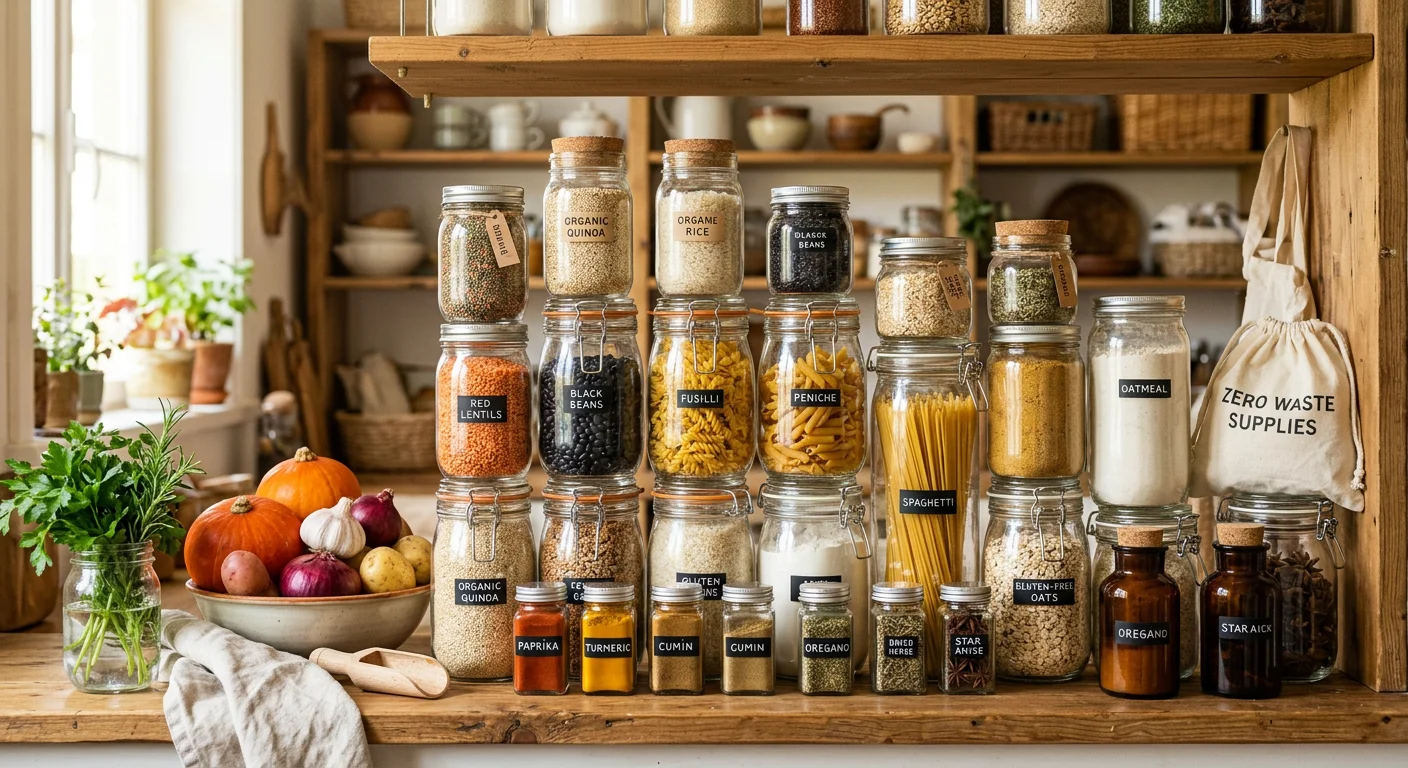
- Dry pantry staples (flour, oats, pasta, rice, coffee, nuts): These need a glass dry food container with a solid, airtight seal. Moisture is the enemy. A loose lid means stale cereal and clumpy sugar — not a great start to a Tuesday morning.
- Fermented and preserved foods (pickles, kimchi, jams, sourdough starter, sauces): Fermentation releases gases and builds acidity. You need a glass preserving jar built to handle pressure and resist corrosion. A wide mouth glass jar also makes packing and scooping a lot easier — no digging around with a narrow spoon.
- Spices and seasonings : Small, narrow, and stackable wins every time. Glass spice jars lock in flavor and look sharp lined up in a drawer or on a rack.
Beyond the Kitchen
Glass Jars aren’t just for food. Personal care products — lotions, body scrubs, essential oil blends — need non-reactive containers. These formulas can be sensitive, and a reactive jar changes them. For home décor, candle-making, or craft storage, the jar’s shape and clarity matter just as much as its function. A squat, wide jar works great for a candle. A tall, clear jar shows off layered crafts beautifully.
Pick your use case first. Then choose your jar with confidence — no guesswork needed.
Step 2: Choose the Right Glass Type — Clear, Amber, Frosted, or Borosilicate
Glass is glass, right? Not even close.
Walk into any well-stocked kitchen store and you’ll see four very different options on that shelf — clear, amber, frosted, and borosilicate. They look alike at a glance. In real life, they work in totally different ways. Picking the wrong one is like buying cowboy boots for a mud run. Still footwear. Still the wrong call.
Here’s what each one does:
Clear Glass — See Everything, Grab Anything Fast
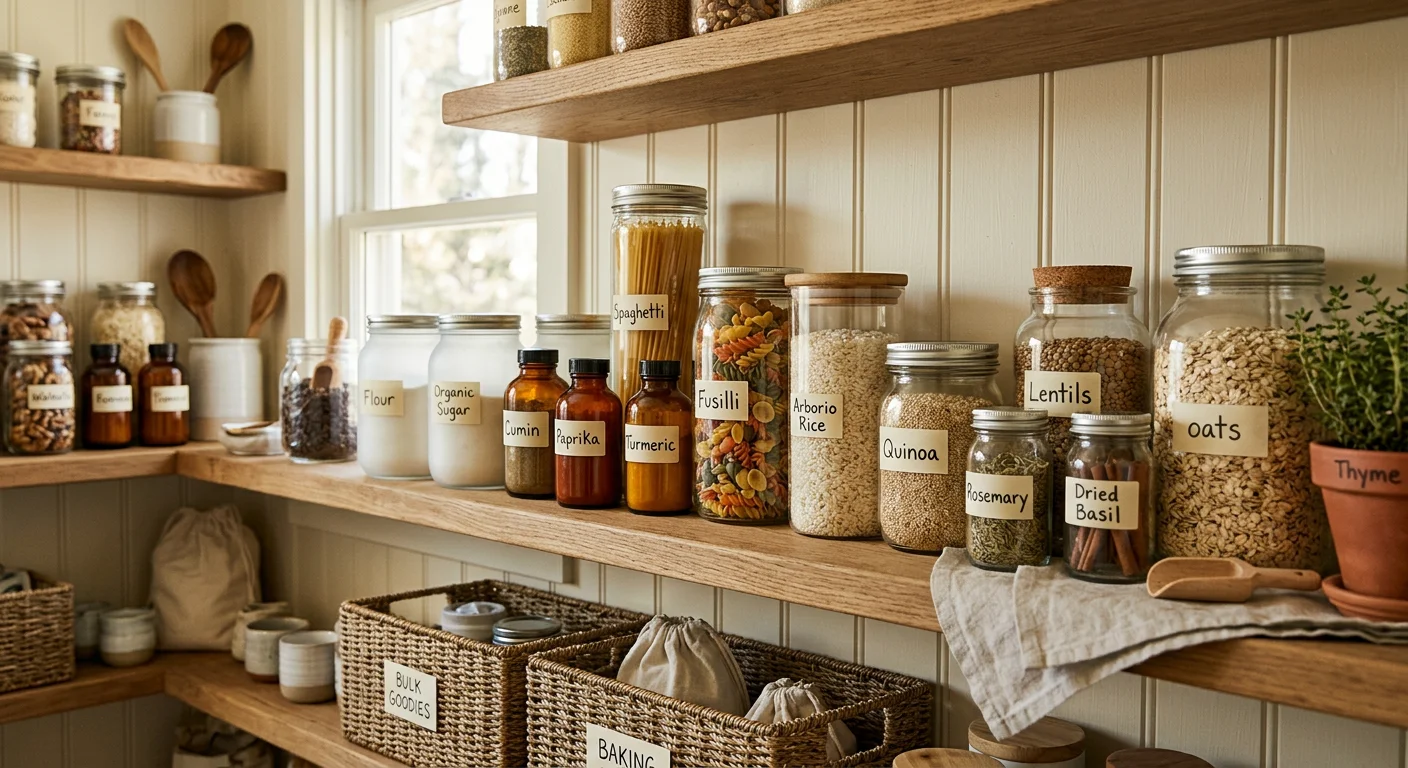
Clear glass is the workhorse of the pantry world. No mysteries, no guessing — you can see how much flour is left before you’re mid-recipe and out of luck. Clear glass storage jars work best for dry pantry staples: pasta, oats, rice, coffee beans, sugar. Anything you grab on a daily basis. The visibility is the whole point. Line up a glass canister set in matching clear jars and your pantry starts looking like it belongs in a magazine spread.
Amber Glass — Protection You Can’t See Through
Amber glass filters ultraviolet light. That matters more than most people think. Light breaks down essential oils, certain vitamins, fermented tonics, and specialty teas faster than air does. Storing anything light-sensitive — apple cider vinegar, infused oils, herbal extracts — means an amber glass container with lid is doing quiet, constant work protecting what’s inside. It’s not decorative. It’s built to work from the inside out.
Frosted Glass — Where Branding Meets Beauty
Frosted glass is the go-to for small-batch brands, apothecary labels, and anyone who wants their shelves to look put-together. The matte surface holds printed labels and custom logos well. For glass pantry storage products built around a brand look, frosted glass delivers a clean, premium feel that clear glass can’t match.
Borosilicate Glass — The One That Handles the Heat
This is where things get serious. Borosilicate Glass Jars have a low thermal expansion rate — plain terms: they don’t crack when temperatures shift fast. Pull one straight from the freezer to the stovetop. It holds up without issue. Standard soda-lime glass? That’s a gamble you don’t want to take with your grandmother’s tomato sauce.
For meal prep, hot-fill preserving, and anything that moves between the fridge and the oven, borosilicate glass is the smart pick. It costs a bit more upfront. It lasts far longer — and it won’t shatter at the worst possible moment.
Quick Reference — Glass Type by Use Case:
| Glass Type | Best For | Key Advantage |
|---|---|---|
| Clear | Dry pantry staples, daily-use foods | Maximum visibility |
| Amber | Oils, fermented drinks, light-sensitive items | UV light protection |
| Frosted | Branded products, apothecary, gifting | Premium aesthetic appeal |
| Borosilicate | Meal prep, hot foods, freezer-to-oven use | Thermal shock resistance |
Know your storage situation first. Then match it to the glass built for that job.
Step 3: Select the Right Size — From 4oz Spice Jars to 1-Gallon Bulk Containers
Size is where most people trip up — and it’s a fixable mistake.
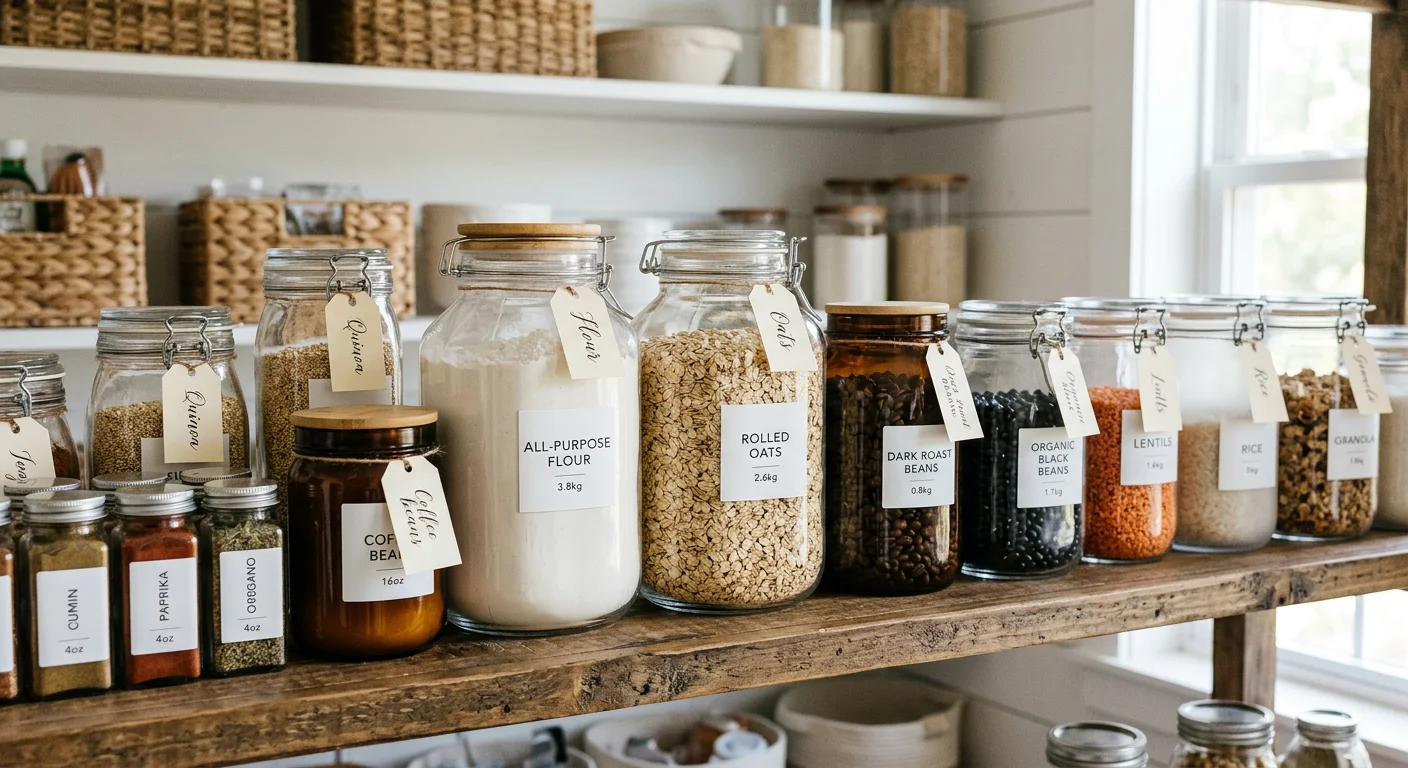
The secret isn’t finding the biggest jar or the prettiest set. It’s matching the container to how often you reach for what’s inside. Think about your kitchen habits. Daily-use items need smaller, easy-grab jars. Weekly staples go into mid-size containers. Monthly bulk goods belong in the big jars at the back of the shelf.
Here’s how the size breakdown works in a real kitchen:
Small (4oz) — The Unsung Heroes of the Spice Drawer
Glass spice jars in the 4oz range are compact, stackable, and hard to do without. Cinnamon, cumin, smoked paprika, dried herbs — these are things you pinch and sprinkle, not scoop by the cupful. A slim 4oz jar keeps them fresh, visible, and lined up like little soldiers ready for action. They also work well as sample jars or portion-size containers for small-batch product sellers.
Medium (8oz–16oz) — The Everyday Workhorses
This is the sweet spot for most households. An 8oz glass container with lid handles jams, pasta sauces, salad dressings, and homemade condiments. It won’t eat up your shelf space either. Step up to 16oz and you’ve got the right size for skincare products, honey, nut butters, or a big batch of weekend granola. These mid-size glass preserving jars move between the fridge, pantry, and countertop with ease.
Large (32oz–1 Gallon) — Bulk Storage Done Right
Flour, oats, rice, dried beans, coffee — anything you buy in big bags. A wide mouth glass jar in the 32oz-to-1-gallon range is the right pick for all of it. The wide opening makes scooping easy. These large glass dry food containers lock moisture out and keep your pantry organized.
Quick Size Guide:
| Size | Best For | Usage Frequency |
|---|---|---|
| 4oz | Spices, samples, seasonings | Daily pinches |
| 8oz | Sauces, jams, dressings | Weekly use |
| 16oz | Nut butters, skincare, granola | Weekly use |
| 32oz+ | Grains, flour, bulk dry goods | Monthly restocking |
Buy the size that matches your rhythm — not the one that looks good in the store.
Step 4: Pick the Right Lid & Closure — Airtight, Cork, Pump, or Bamboo
The lid is the part everyone forgets about — until it fails them.
You’ve got the perfect jar. Right size, right glass type, right everything. Then the lid doesn’t seal, moisture creeps in, and your pantry setup starts working against you. The lid isn’t an afterthought. It’s doing half the job.
Five main closure styles exist. Each one is built for a specific purpose. Here’s how to match them up.
Screw-Top Airtight Lids — Everyday Food Storage, Done Right
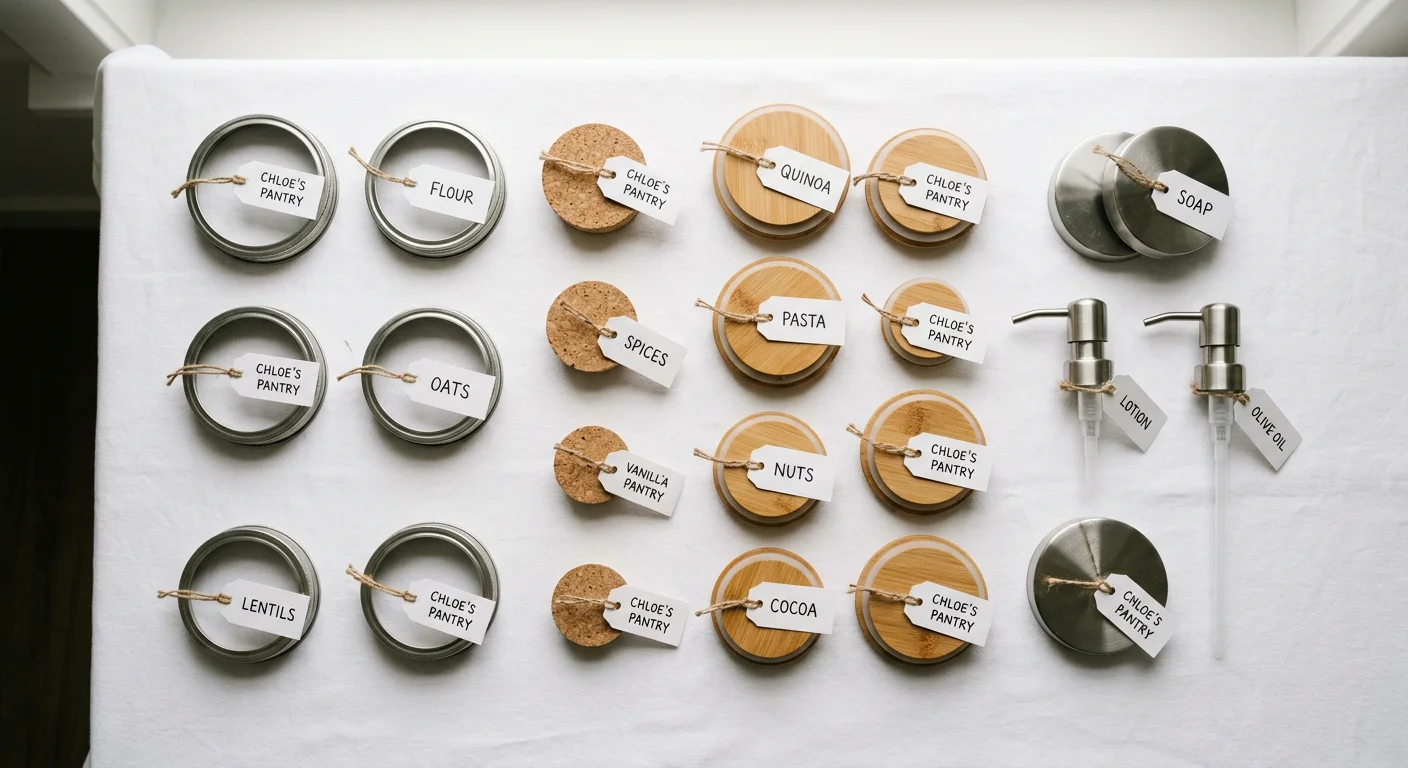
The metal screw-top band is the standard for a reason. It creates a consistent, reliable seal that keeps moisture and air out of your glass dry food containers . Flour, coffee, pasta, oats — anything that goes stale the moment humidity gets involved. This is your lid. Glass canister sets almost always come with this closure because it works, washes well, and holds up through years of hard use.
Vacuum Seal Lids — For Long-Term Preservation
Vacuum seal lids go one step further than a basic screw-top. They pull air out of the jar before closing. That slows oxidation at a much faster rate than a standard lid. For glass preserving jars holding pickles, fermented vegetables, or homemade jams, a vacuum seal lid stretches shelf life by weeks or months. You’re putting up summer tomatoes to last through February? This is the closure that earns its keep.
Cork Stoppers — For Oils, Infusions, and Pure Aesthetic Charm
Cork fits a specific niche and fits it well. It’s the natural choice for infused olive oils, herbal vinegars, and decorative pantry displays. Cork breathes a little — so it’s not the best option for long-term airtight storage. Think of it as a short-term seal with serious style points. It also pairs well with amber glass for light-sensitive oils and specialty extracts.
Pump Dispensers — The Smart Move for Personal Care Jars
Glass jars move beyond the kitchen more often than most people expect. Body scrubs, facial creams, serums, liquid soaps — these all need a non-reactive container. A pump dispenser makes grabbing what you need fast and clean. No scooping, no dripping, no mess on the bathroom shelf. Your glass container with lid is heading into the bathroom rather than the pantry? A pump closure is almost always the right call.
Bamboo Lids — Where Sustainability Meets Shelf Appeal
A glass jar with bamboo lid has become the signature look for eco-conscious brands — and for good reason. Bamboo is renewable, fights bacteria on its own, and has a warm, natural look that plastic lids can’t match. For glass pantry storage products built around a clean, sustainable brand identity, bamboo lids send that message before a single word is read. They seal well for dry goods and regular use. Just note they’re not built for deep-freeze storage or long exposure to moisture.
Match your lid to your contents — not to whatever came bundled in the box.
How to Buy Glass Storage Jars in Bulk — Wholesale & Custom OEM Guide
By your third supplier email and fifth spreadsheet tab, bulk buying stops feeling like a business decision. It starts feeling like a second job.
It doesn’t have to go that way. You might be a retailer building a private label line. You might be a brand owner sourcing glass canister sets for seasonal gifting. Or you’re a distributor pulling together a catalog of kitchen glass storage products. Either way, the wholesale process has a clear path — you just need to know the checkpoints.
Here’s what to check before you place a single order.
The Four Things That Matter in a Wholesale Supplier
MOQ (Minimum Order Quantity) is the first number suppliers will quote you. For standard glass storage jars , most Chinese manufacturers set MOQs between 1,000 and 5,000 units per SKU. Custom shapes or specialty finishes push that number higher. Know your opening order budget before you reach out — it saves everyone time.
Lead times run 30 to 60 days for production after sample approval, plus shipping on top of that. Build that into your launch timeline from the start. A delayed container stuck in customs can derail a product launch with no easy fix.
Factory certifications are non-negotiable. Look for:
– ISO 9001 — quality management
– FDA compliance (21 CFR) — required for the U.S. market
– LFGB certification — required for European markets
These aren’t just boxes to tick. They’re your proof of compliance if a retailer or sales platform ever requests documentation.
Sample policy tells you a lot about how a factory operates. A factory that charges a fair sample fee and ships on time stands behind what it makes. One that drags its feet on samples tends to drag its feet on production too.
OEM & Custom Options — What’s Possible
Established glass jar manufacturers offer full OEM customization. That includes:- Lid color and material- Embossed logos- Frosted or painted finishes- Branded packaging- Custom sizing
The OEM process — from artwork submission to production-ready samples — takes 15 to 25 days. Get that timeline in writing before you sign off on anything.
Chinese suppliers on platforms like Alibaba or Made-in-China offer strong pricing. You’ll often pay 30 to 50% less than comparable Western manufacturers. Top-tier verified factories still meet certification standards, so the lower price doesn’t mean lower compliance.
Conclusion
Choosing a glass storage jar doesn’t have to be complicated. But it does need to be intentional. Choosing the right glass storage jar boils down to understanding your specific storage needs—whether it’s for dry ingredients, preserves, or small household items—along with key factors like size, sealability, and durability.
At TP Glass Bottle Manufacturer , we take pride in crafting high-quality glass storage jars that meet all these criteria and more. Our jars are made from food-grade, durable glass, available in a wide range of sizes and designs to suit every need, and feature reliable sealing to keep your items fresh. Trust TP Glass Bottle Manufacturer for your glass storage needs, and enjoy the convenience of well-crafted, reliable storage solutions.