

Your bottle is usually the first thing a customer touches — before they ever taste what’s inside. In a crowded spirits market, that first impression carries real weight.
Launching a craft whiskey brand? Scaling a vodka line? Sourcing premium glass alcohol bottles for private label? The gap between a forgettable product and a shelf-stopping one comes down to how well you handle custom packaging. OEM vs. ODM, silk screen vs. direct print, frosted finishes vs. metallic coatings — there’s a lot to sort through. This guide breaks down how the Liquor Bottle customization process works. You’ll see what printing and finishing options are out there.
Choose Between OEM and ODM — Which Custom Path Fits Your Brand?
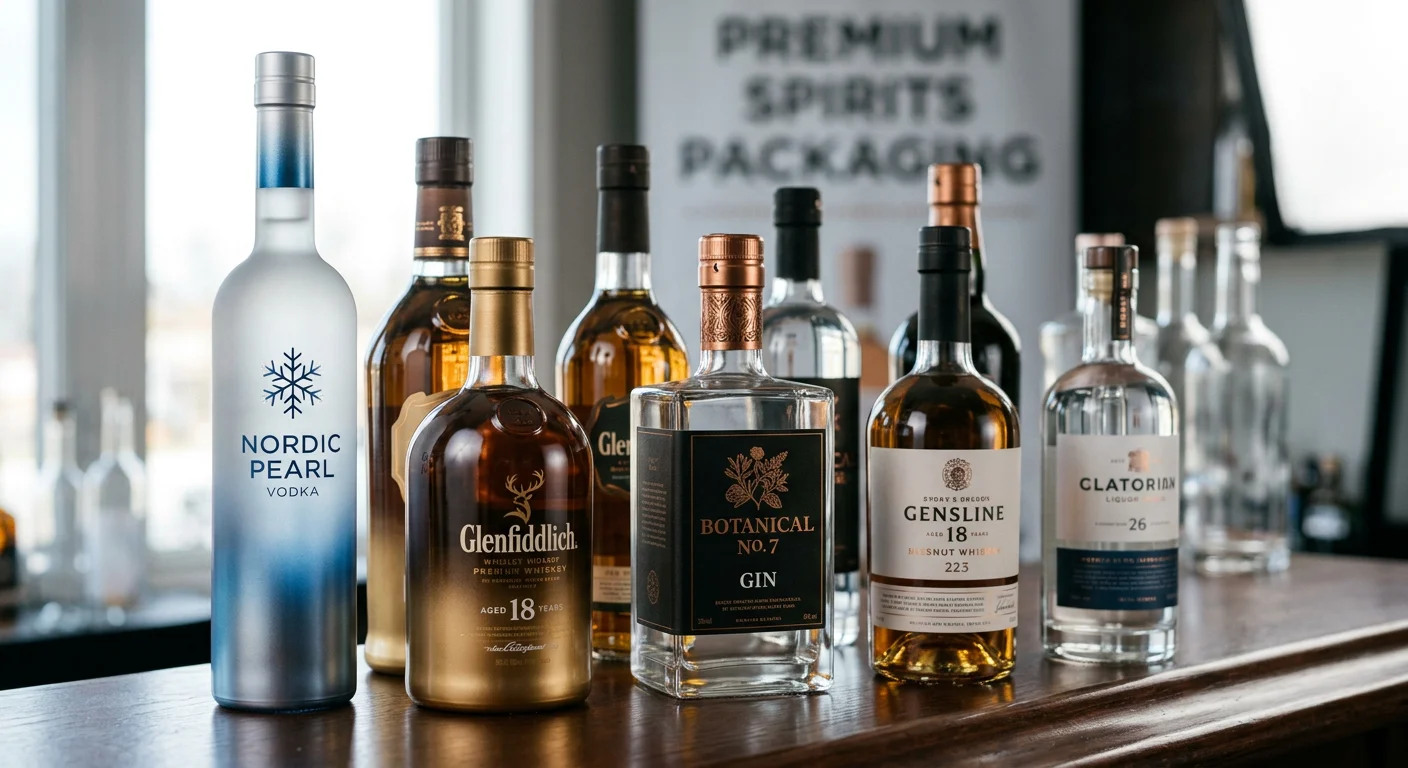
Most brands get this decision wrong. Not because they lack options — but because they pick a path before understanding what each one means for their budget, timeline, and brand equity.
Here’s the core distinction:
-
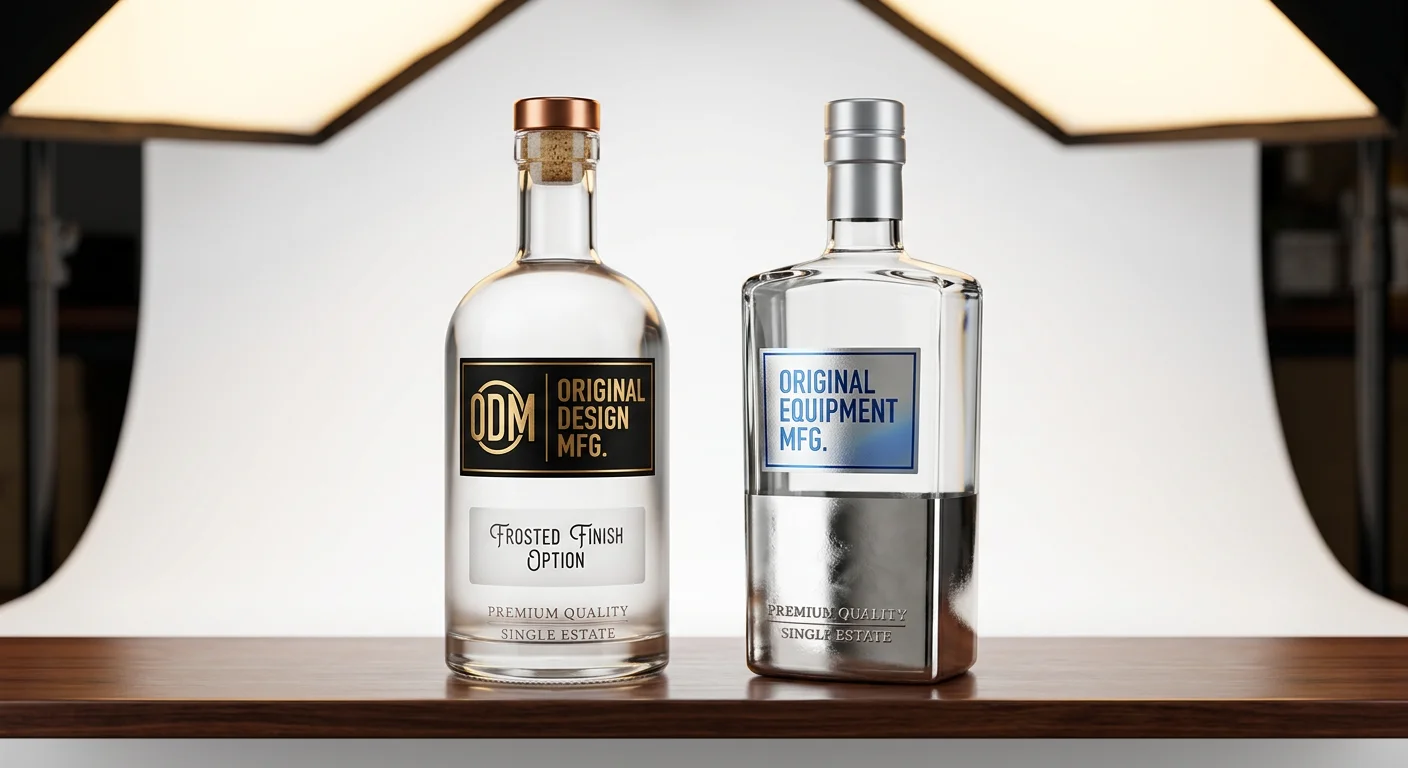
ODM (Original Design Manufacturing) — You choose from a supplier’s existing mold library, apply your label, logo, or surface finish, and go to market faster with lower upfront costs.
-
OEM (Original Equipment Manufacturing) — You commission a unique bottle design. Your shape, your mold, your identity. Nobody else gets that bottle.
Neither is better. They serve different stages of brand growth.
ODM: The Smart Move for Brands Just Getting Started
Launching your first spirit bottle? Testing a new vodka bottle design in a regional market? ODM is almost always the right call. Custom mold development runs $3,000–$8,000+ before you’ve ordered a single case. For a brand still finding its product-market fit, that’s a serious upfront risk.
ODM bottles come from proven molds — production-tested, structurally sound, and ready with shorter lead times. You still get real customization options. Silk-screen printing, frosted finishes, color tinting, custom closures, and embossed labeling can all transform a standard form into something that looks like yours on shelf.
For early-stage distillery bottle suppliers and private label buyers, ODM keeps capital flexible and gets your product to market faster.
OEM: Where Established Brands Build a Competitive Edge
Your brand has traction now — consistent reorder volume, retail placement, a clear visual identity. At that point, OEM becomes a real competitive asset.
Take Aviation Gin as a reference point. That wide-shouldered, embossed gin bottle is no accident. It’s a proprietary mold that competitors cannot replicate. The bottle signals premium positioning before anyone cracks the cap. A well-executed OEM whiskey glass bottle or rum bottle packaging project does exactly that — it turns your container into a brand asset, not just a vessel.
OEM also makes financial sense at scale. At 10,000+ units per run, the per-unit mold cost drops sharply. At that volume, the price gap between OEM and ODM becomes negligible.
The Decision Framework
|
Factor |
Choose ODM |
Choose OEM |
|---|---|---|
|
Budget |
Limited upfront capital |
Can invest in tooling |
|
Timeline |
Need product fast |
Can accommodate 90–120 day lead time |
|
Volume |
Smaller initial runs |
High-volume, repeat orders |
|
Brand stage |
Early / testing phase |
Established / scaling |
|
Differentiation need |
Moderate |
Maximum |
Still unsure which route fits your beverage glass bottle project? Start by requesting a supplier’s existing mold catalog. See what’s already out there. You might find an ODM base that — with the right glass alcohol bottle finishing work — gets you 90% of the custom look at a fraction of the cost.
Printing Options for Custom Alcohol Bottles — Silk Screen, Direct Print & More
Decoration is where your bottle stops being a container and starts being a brand.
You’ve locked in your bottle shape — ODM or OEM. Now you need to decide how your identity goes onto the glass. Most buyers underestimate this step. They assume “printing” is one thing. It isn’t. The method you pick affects color accuracy, cost per unit, minimum order quantity, and how a customer feels holding your spirit bottle off a retail shelf.
Three methods dominate the glass bottle packaging industry. Each one serves a different use case.
Silk Screen Printing — High-Precision Logo Work
Silk screen (also called screen printing) pushes ink through a fine mesh stencil straight onto the glass surface. You get a clean, opaque, high-contrast image — ideal for whiskey glass bottle logos, wordmarks, and single-color brand marks.
Where it excels:
– Sharp, precise lines and lettering — even at small scales
– Strong ink adhesion, resistant to handling and moisture
– Cost-effective per unit at high volumes
– Works across most liquor bottle shapes and surface curves
Where it falls short: Silk screen runs one color at a time. Every extra color needs a separate pass and a separate screen. A two-color design is manageable. A five-color, gradient-heavy label? Wrong process. Each new screen adds cost — $50–$150 per color in setup fees — and that adds up fast on smaller runs.
Gin bottle suppliers and distillery bottle brands running clean, typographic packaging will find silk screen delivers premium results at competitive unit prices.
Direct Print — Full-Color, Photo-Realistic Imagery
Direct print (UV or ceramic inkjet printing) applies full-color imagery straight onto the glass. No screens. No stencils. Think of it as high-resolution commercial printing — on a curved glass surface.
Where it excels:
– Unlimited color, including gradients, photography, and detailed illustrations
– No per-color setup fees — one design file, one process
– Great for vodka bottle design and rum bottle packaging that leans hard into visual storytelling
– Supports short-run customization, including limited editions and seasonal releases
Where it falls short: Per-unit costs run higher than silk screen at large volumes. Also, depending on the ink system used, long-term scratch resistance can be lower than fired ceramic inks from screen printing.
Got a beverage glass bottle project with rich visual artwork, photographic elements, or frequent label changes? Direct print gives you the most flexibility.
Etching — Premium Matte Texture for High-End Positioning
Etching cuts into the outer surface of the glass — through sandblasting or acid treatment — leaving a frosted, matte texture where the design sits. There is no ink. No coating. The effect is the glass itself, transformed.
Where it excels:- Tactile, premium feel — a customer can feel the logo with their fingers- Permanent — the design cannot peel, fade, or scratch off- Pairs well with a clear wine bottle glass or a dark whiskey glass bottle for strong visual contrast- Signals luxury positioning at shelf level without a single word
Where it falls short: Etching is not a full-color process. It produces texture and depth, not color. Setup also takes longer than ink-based methods.
For top-shelf spirits, ultra-premium gifting formats, and collector-edition glass alcohol bottles, etching creates a tactile authority that no sticker or label can match.
Choosing the Right Method
|
Method |
Best For |
Color Capability |
Durability |
Cost Profile |
|---|---|---|---|---|
|
Silk Screen |
Logos, wordmarks, clean brand marks |
Limited (per color) |
Very High |
Low per unit at scale |
|
Direct Print |
Complex artwork, full-color designs |
Unlimited |
Moderate–High |
Higher per unit |
|
Etching |
Premium texture, luxury positioning |
None (texture only) |
Permanent |
Higher setup cost |
Your brand tier, design complexity, and order volume all shape the right choice. Many high-end glass alcohol bottle projects mix techniques — a silk-screened logo on an etched matte panel, for example. That combination builds layered visual depth and helps your bottle stand out in a crowded spirits category.
Finishing Services That Elevate Your Liquor Bottle Packaging
Printing gets your brand onto the bottle. Finishing gets your brand into the customer’s hands.
A $12 vodka and a $120 vodka can sit three inches apart on the same shelf. The premium one barely needs a price tag. That’s not magic — that’s surface engineering. The weight, the texture, the way light hits the shoulder of the bottle — these are all finishing decisions. They signal value before a single word gets read.
Here are the four finishing techniques that move the needle most for glass alcohol bottle brands competing at a premium price point.
Frosting — The Soft Signal That Says “Premium”
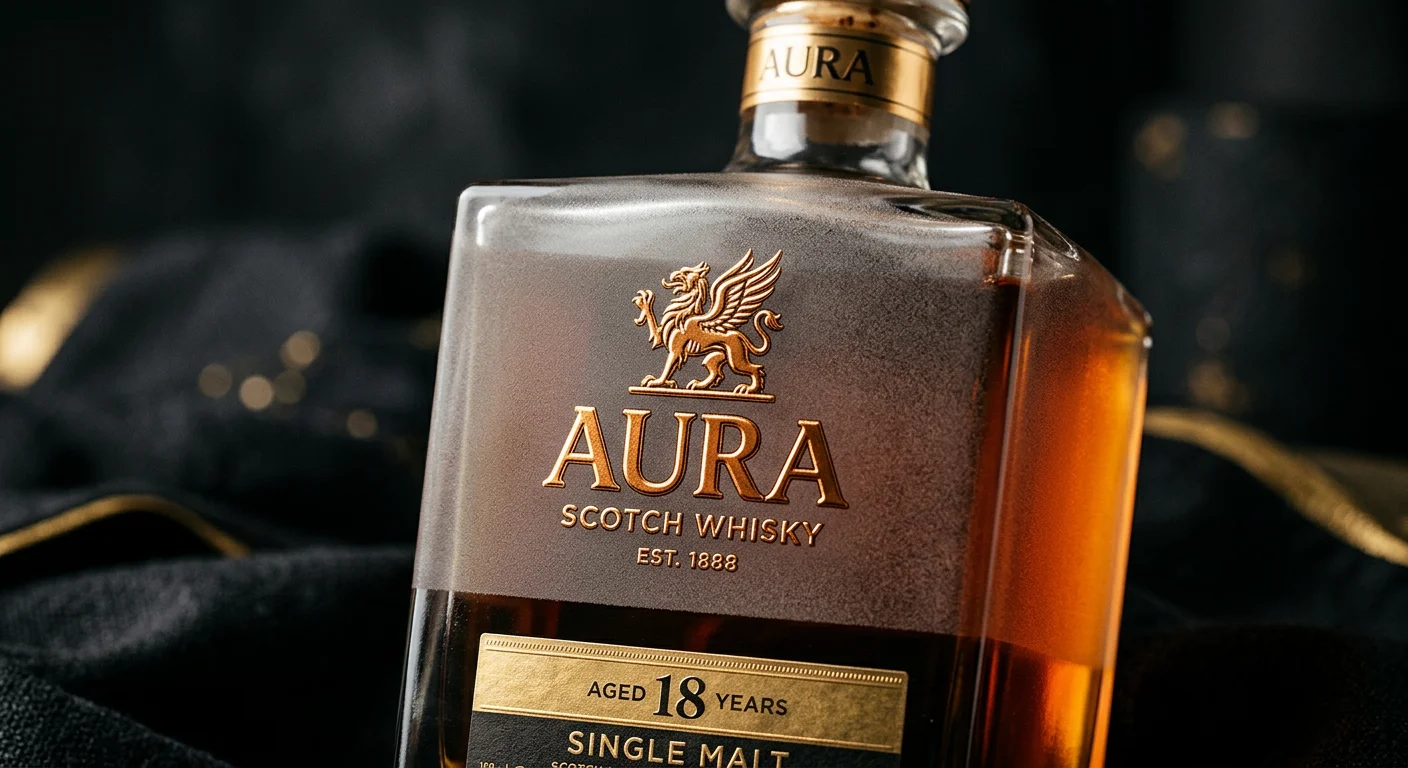
Frosted glass has a simple visual logic: it looks expensive because it feels expensive. The matte surface absorbs light rather than bouncing it back. That creates a quiet, refined shelf presence that high-gloss packaging simply can’t match.
Frosting is applied through sandblasting or chemical etching. It can cover the full liquor bottle or target specific areas. A frosted panel behind a clear logo window, for example, creates sharp visual contrast. No extra complexity needed.
For vodka bottle design and gin bottle packaging, frosting has become a standard premium signal. Brands like Belvedere and Grey Goose built their shelf identity on it. Your spirit bottle picks up that same association.
Metallic Coatings — Gold, Silver, and the Perception of Value
Metallic finishes come in several forms:
-
Electroplated gold or silver
-
Vacuum metallization
-
Metallic ceramic coatings
These are among the highest-ROI finishing options in glass bottle packaging. The cost increase per unit stays modest. The jump in perceived value does not.
A whiskey glass bottle with a gold-tipped neck or a full metallic label panel reads as collector-tier. No collector-tier price required. For rum bottle packaging aimed at the gifting market, metallic finishing can be the one detail that turns a browser into a buyer right at the shelf.
Embossed Logos — Ownable, Tactile, Permanent
An embossed logo is part of the mold itself. It rises from the glass surface — no sticker, no ink. The brand mark becomes a three-dimensional feature built into the whiskey glass bottle or beverage glass bottle structure.
This carries real commercial weight. Embossing signals permanence. It tells the customer — without saying it outright — that this brand invested in the container, not just what’s inside.
Base Thickness — The Detail Most Brands Overlook
Thicker bottle bases add real, measurable weight to the pour experience. A heavier glass alcohol bottle feels like higher quality in the hand — even when the liquid inside is identical.
Distillery bottle buyers targeting on-premise accounts — bars, restaurants, hotels — report this regularly. Weighted base designs lift perceived brand tier in high-visibility pouring environments. Bartenders and staff notice. So do guests.
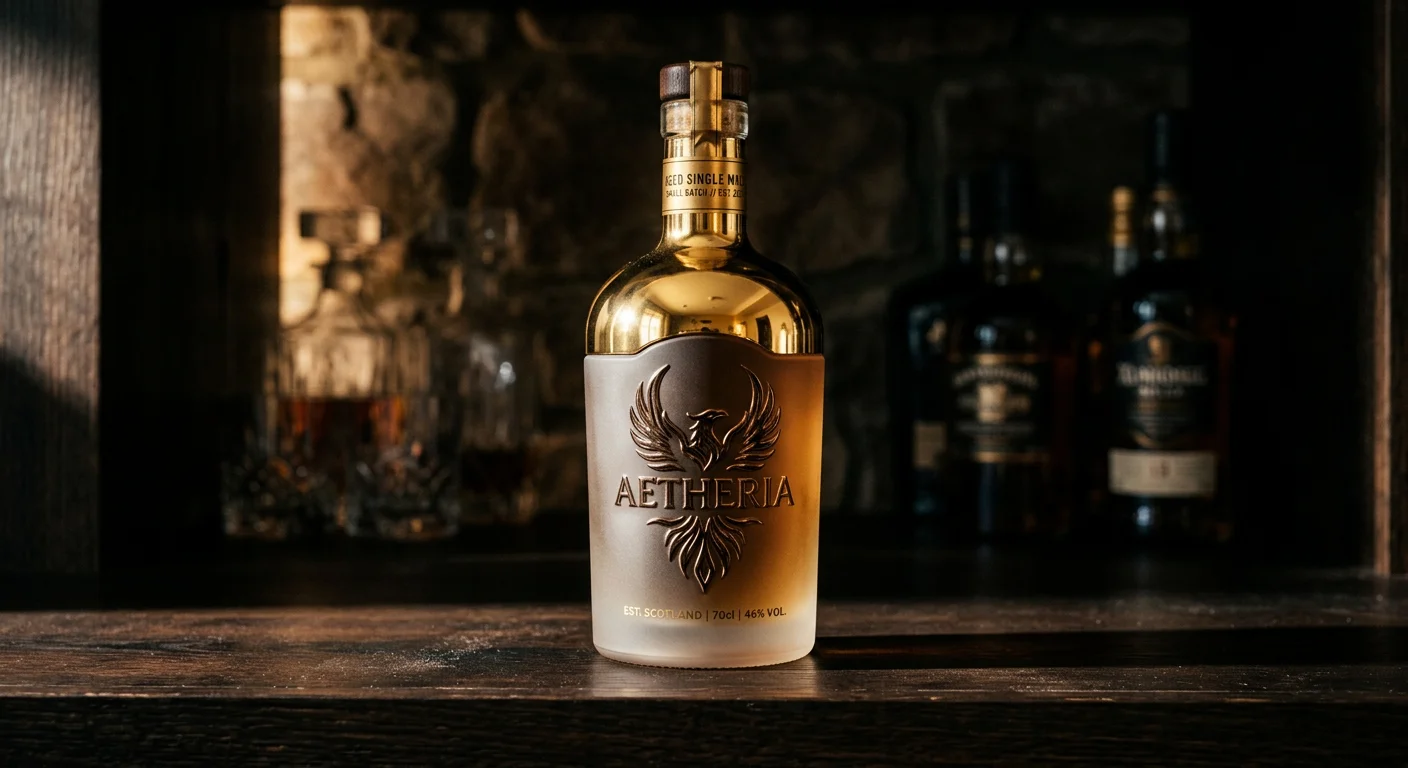
The strongest glass alcohol bottle projects layer multiple finishes together. A frosted body, an embossed logo, and a gold metallic neck treatment — combined, they build a packaging system with depth, texture, and a clear premium story. One your customer can see, feel, and remember.
Common Issues with Custom Alcohol Bottles OEM/ODM
Every week, buyers contact glass alcohol bottle suppliers with the same five questions. The questions aren’t complicated. But wrong answers — or no answers at all — stall sourcing decisions, blow timelines, and burn budgets.
Here are the five questions buyers ask most, plus what you need to know before you commit.
What’s the Minimum Order Quantity?
MOQ depends on project type.
-
ODM spirit bottles using existing molds: most suppliers start at 6,000–10,000 units per run.
-
OEM projects with a new mold: plan for 10,000+ units to cover tooling costs.
Some distillery bottle suppliers will negotiate lower MOQs for sample runs. Just know the per-unit price goes up at those smaller quantities.
Is the Mold Fee Refundable?
Short answer: no. Mold fees pay for engineering, tooling, and production setup. The factory puts that money in before your order ships. Standard mold fees land between $3,000–$8,000, depending on how complex the design is.
Some suppliers will credit that fee toward your first bulk order once you hit a volume threshold. Get that agreement in writing before you sign anything.
Do Samples Cost Money?
Most factories charge for pre-production samples. Expect $150–$500, depending on the finishing work involved. That fee often gets waived or credited against your first order.
More important: always request a physical sample before approving mass production. Photos miss things — weight imbalance, seam problems, coating inconsistencies. Your hands catch what a camera doesn’t.
Can the Supplier Handle Design?
Many established spirit bottle OEM manufacturers offer in-house design support. That includes 3D rendering, structural engineering, and surface artwork layouts. This is a real advantage for buyers without a dedicated packaging team.
Ask upfront: are design services included in the quote, priced separately, or limited to technical drawings? The answer changes your budget.
Can You Mix Styles in One Order?
Yes, mixed-style orders are possible for glass bottle packaging with multiple SKUs — say, a whiskey glass bottle and a vodka bottle design in one shipment. But each SKU needs to hit its own MOQ threshold on its own.
Your total order volume doesn’t combine into one shared minimum. Plan each SKU separately.
Get these five questions answered before moving forward. A supplier who responds with specifics — not vague commitments — is worth your time.
Conclusion
Your bottle is your brand’s first handshake with the customer — make it count.
Launching a craft gin? Scaling a whiskey glass bottle line into global retail? The right OEM/ODM partner does more than manufacture glass. They turn your brand identity into something people pick up off a shelf and remember.
Don’t let packaging be an afterthought. The brands winning shelf space today treated their bottle design with the same care as their liquid.
Ready to bring your vision to life? Contact TP Glass today for a free consultation, custom samples, and a competitive quote — let’s build packaging that sells before the first sip.