


When it comes to spirits, rum, vodka, and whiskey are three of the most widely consumed and recognizable options around the world. You can find them in nearly every bar, liquor store, and even in many home drink cabinets. For many people, though, telling these three spirits apart can be a bit confusing—they are all clear or amber-colored liquids, often served in similar glasses, and used in a variety of popular cocktails. This confusion is common, especially for those who are not regular spirit drinkers or who are just starting to explore different types of alcohol. In this article, we will break down the key differences between rum, vodka, and whiskey, focusing on the aspects that are easy to notice and understand, so you can confidently identify and choose between them.
Production Methods: Where Each Spirit Begins
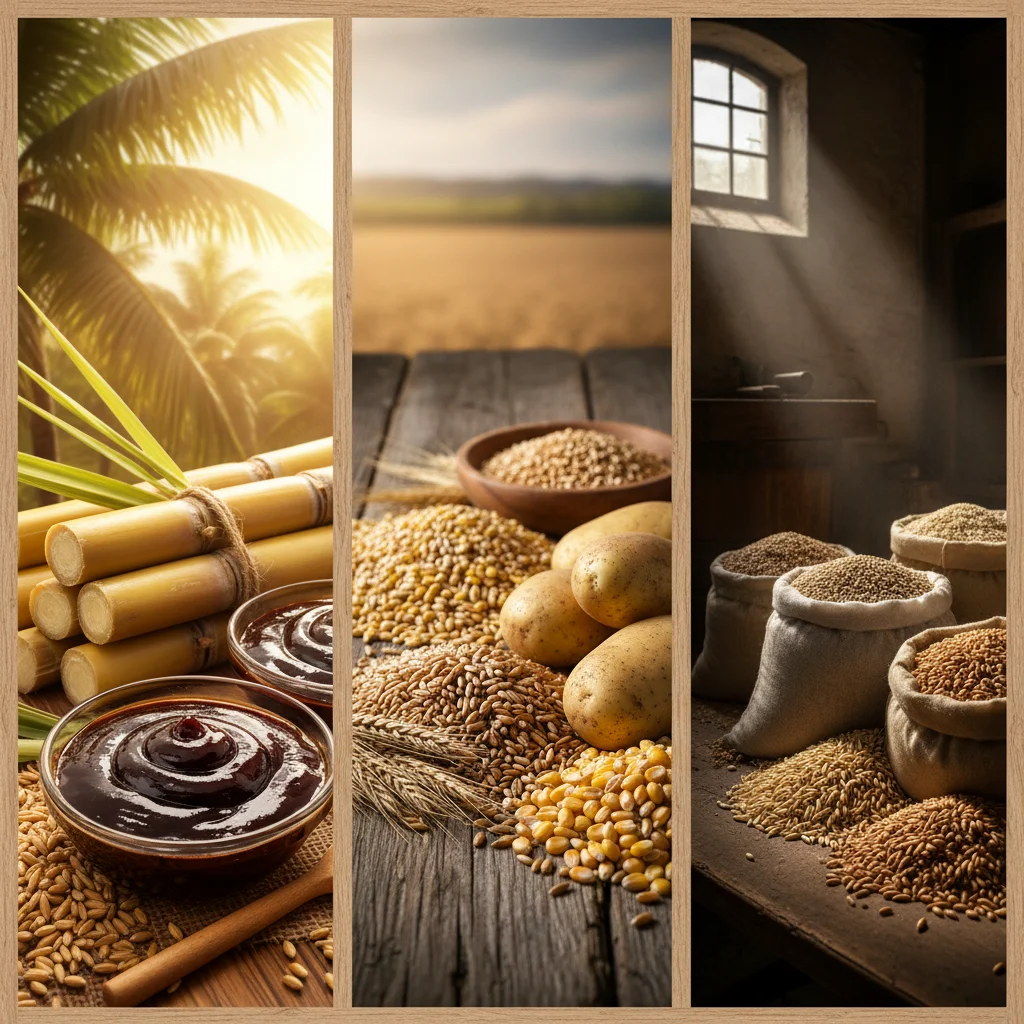
The raw ingredients tell you everything about a spirit’s soul. Rum starts in tropical sugarcane fields. The sweet molasses left behind after sugar production becomes the base. Vodka takes a different road. It relies on grains like wheat, rye, or corn. Potato varieties still hold strong in Eastern European distilleries. Whiskey demands malted barley, corn, rye, or wheat. Each grain brings its own character.
These aren’t just ingredient swaps. They’re different starting points. Each one sets the spirit on its unique path.
The Fermentation Story: Sugar Meets Yeast
Rum-makers work with nature’s candy. That thick, dark molasses already contains the sugars yeast craves. Mix molasses with water, add yeast, and fermentation kicks off within hours. The process runs hot and fast in Caribbean climates. Sometimes it wraps up in just 24 to 36 hours. Those sugars convert into alcohol. They carry forward the caramel-like sweetness that makes rum taste like liquid sunshine.
Vodka production strips away personality on purpose. Distillers start with wheat, rye, or potatoes. First, they convert starches into sugars the yeast can eat. They cook the raw materials and add enzymes. Then they introduce yeast for a slower, cooler fermentation. This takes several days. The goal? Pure, neutral alcohol that erases its farm origins. Premium glass bottle suppliers package vodka in crystal-clear containers. There’s nothing to hide and nothing much to show beyond clarity.
Whiskey fermentation reads like a craft beer recipe. Malted grains provide the enzymes. Barley gets soaked until it sprouts, then dried. These enzymes transform starches into sugars. This “mash” ferments for three to five days. Complex flavor compounds develop during this time. Scottish distilleries call this liquid “wash.” It’s unaged beer sitting around 8% alcohol. Those grain flavors, yeast traits, and fermentation byproducts become the foundation whiskey builds on.
Distillation Differences: Heat and Repetition
The still makes all the difference. Rum flows through column stills for light varieties. Traditional pot stills handle heavier expressions. Column distillation runs the wash through tall metal towers. This produces cleaner spirits. Pot stills are copper beauties that look like giant kettles. They keep more congeners—flavor compounds from fermentation. A Jamaican rum might pass through pot stills just twice. This preserves funky, fruity notes. A white rum for mojitos? Multiple column distillations strip it almost neutral.
Vodka obsesses over purity. Distillers run the fermented liquid through columns four, five, even six times. Each pass removes more flavor, aroma, and color. Then comes filtration through activated charcoal. Sometimes this happens over and over. The liquid that emerges looks nothing like its grain or potato roots. Glass bottle suppliers deliver vodka containers to distilleries. They’re packaging a spirit defined by what’s been removed rather than what remains.
Whiskey distillation balances what to keep and what to refine. Most operations use pot stills for two distillations. The first produces “low wines” around 20-25% alcohol. The second concentrates it to 60-70%. Scotch distillers separate the run into three parts. There’s the harsh “heads,” the prized “heart,” and the oily “tails.” That middle heart is the only part that makes the cut for barrel aging. This process preserves the malty, grainy character. It removes the unpleasant elements.
The Aging Equation: Time in Wood
Here’s where paths split. White rum skips barrels. It goes straight from the still to the bottle. Dark rums sleep in charred oak barrels. Often these are recycled bourbon casks. The aging lasts anywhere from one year to several decades. Those barrels donate vanilla, spice, and caramel notes. They mellow the spirit’s sharp edges.
Vodka bypasses barrel aging. The spirit inside those sleek bottles from your Glass Bottle Supplier tastes the same as what left the still. Time doesn’t improve vodka. It just costs money.
Whiskey demands patience. By law, bourbon needs new charred American oak. Scotch prefers used barrels—bourbon casks, sherry casks, sometimes wine barrels. The wood breathes. It pulls spirit in and out with temperature changes. Color deepens from clear to amber to mahogany. Flavors grow as the liquid extracts vanillin, tannins, and wood sugars. A 12-year Scotch tastes different from its 3-month-old self. It’s richer, smoother, and far more complex.
Your preferred production method reveals what you value: rum’s tropical sweetness, vodka’s clean neutrality, or whiskey’s patient complexity.
Aroma Differences: The Nose Knows
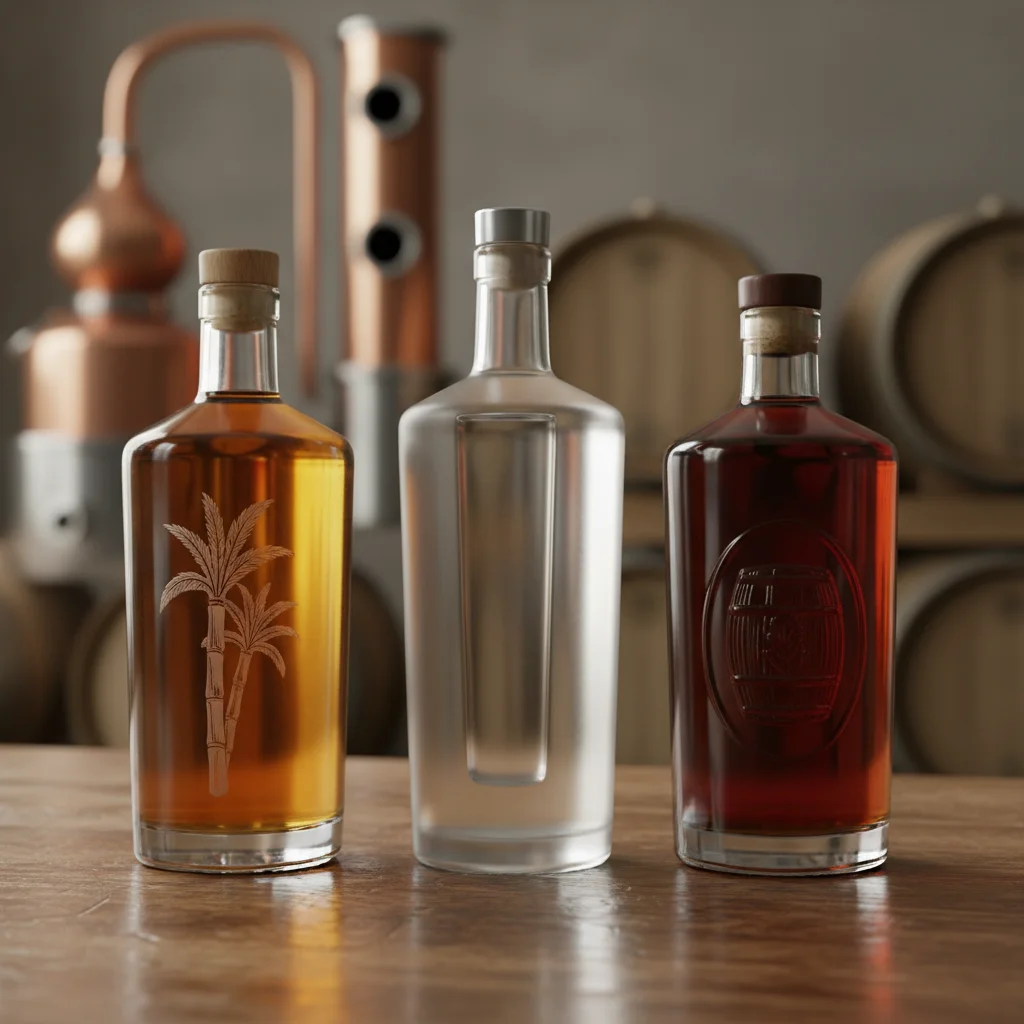
Your nose picks up what your eyes can’t see inside those bottles from your glass bottle supplier. Before you taste, aromas tell you what spirit sits in your glass.
Rum announces itself like a dessert table. Swirl it and lean in. That first whiff carries brown sugar warmth. The molasses base sticks around, even after distillation. Light rums smell cleaner, almost fruity. There’s tropical sweetness—think ripe banana or pineapple. Dark rums get richer. You’ll catch vanilla from those oak barrels. Caramel notes drift up. Some aged rums smell like butterscotch candy melting in the sun. Spiced rums add cinnamon, nutmeg, or clove to the mix. That sweetness stays constant. It’s the molasses talking, even years after fermentation.
Caribbean distilleries produce rums with funky, fruity aromas. Jamaican varieties stand out. They smell almost overripe, like fermenting tropical fruit. It’s not a flaw. It’s character. Long fermentation and pot still distillation create those esters. This builds complexity. Spanish-style rums from Cuba or Puerto Rico smell lighter, more refined. They’re subtle compared to their bold Jamaican cousins.
Whiskey’s Complex Bouquet
Whiskey wears its barrel time on its sleeve. Or rather, in its aroma. Pop the cork on bourbon and you get instant vanilla. Those new charred oak barrels release vanillin. The spirit soaks them up like a sponge. Caramel sweetness follows, but it’s different from rum. This comes from wood sugars, not molasses. There’s often a grainy scent underneath. Corn sweetness in bourbon. Spicy rye in rye whiskey.
Scotch whisky tells a different aromatic story. Speyside malts smell honeyed, with orchard fruit notes. You might catch apple, pear, or dried apricot. Sherry cask aging adds dark fruit. Raisins, figs, even chocolate. Highland Scotches bring heather honey and light smoke. Islay whiskies? That’s peat smoke heaven. They smell like a campfire on the beach. Seaweed, iodine, and medicinal notes layer over the smoke. Some folks love it. Others run away. There’s no middle ground.
Irish whiskey keeps things smooth and approachable. The aroma leans malty and light. There’s often a butterscotch quality. Triple distillation removes harsh edges. What remains smells warm, inviting. Glass bottle suppliers package Irish whiskey knowing the contents won’t scare newcomers.
The grain bill matters big time. Rye whiskey smells spicy, almost peppery. Wheat whiskeys come across softer, with bread-like qualities. Single malt Scotch focuses on barley. Nutty, biscuity, sometimes grassy.
Vodka’s Intentional Absence
Vodka plays hard to get with your nose. Good vodka smells like almost nothing. That’s the whole point. Multiple distillations and charcoal filtrations stripped away aroma. What you get is clean, neutral, maybe a touch medicinal. There’s a faint alcohol burn, sure. But no defining character.
Premium vodkas reveal subtle differences if you focus hard. Grain-based vodkas sometimes carry whispers of wheat or rye. There’s a hint of sweetness. Potato vodkas feel creamier, a bit earthy. Rye vodkas might show tiny spicy hints. But we’re talking tiny details here. Nothing bold.
Some craft distillers leave trace amounts of character on purpose. They want you to detect their base ingredient. A wheat vodka might smell like fresh bread. These walk a fine line. Too much character and it’s not vodka anymore. It needs to remain neutral by definition.
Bottom line? If your vodka smells strong, something went wrong. Or the glass bottle supplier delivered containers that weren’t clean. Quality vodka should be your aromatic blank canvas. It lets other cocktail ingredients shine. The spirit itself stays in the background. Invisible.
Stick your nose in all three spirits side by side. The differences jump out. Rum smells sweet and tropical. Whiskey brings wood and grain complexity. Vodka registers nothing. Your nose knows the difference before your tongue gets involved.
ABV and Strength Variations
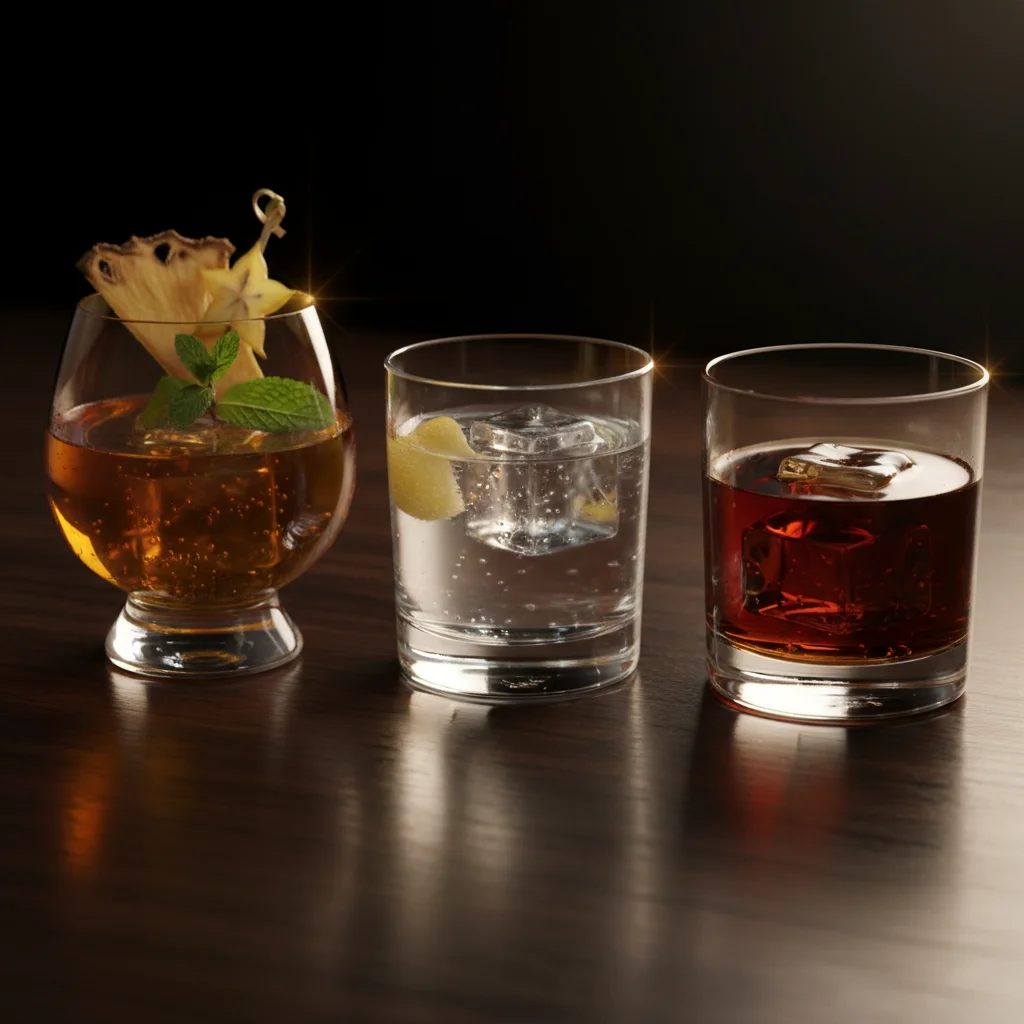
The alcohol content in these spirits ranges wider than you’d think. Standard rum bottles sit between 35% and 75% ABV. That’s a massive swing. White rums for cocktails land around 40%. They pour easy, mix clean. But then you’ve got overproof varieties pushing 75% or higher. Wray & Nephew White Overproof from Jamaica clocks in at 63%. Bacardi 151 used to hit shelves at—you guessed it—151 proof, which is 75.5% ABV. People kept lighting themselves on fire with flaming shots. So they discontinued it. Smart move.
Vodka keeps things tighter. You’re looking at 35% to 50% ABV for most brands. The standard sits at 40%, which is 80 proof. Russian and Polish vodkas sometimes creep higher, around 45-50%. Anything below 37.5% can’t call itself vodka in the European Union. Those lower-proof versions exist. Brands market them under different names. Glass bottle suppliers package them with warnings about reduced alcohol content.
Whiskey plays the middle ground. Most expressions pour at 40% ABV. Bourbon often starts there. Scotch does too. But here’s where whiskey gets interesting. Cask-strength releases skip dilution. They come straight from the barrel at 50-65% ABV. Sometimes higher. George T. Stagg bourbon hits 65-70%. These aren’t for beginners. One sip and your mouth’s on fire unless you add water.
The proof matters beyond just getting tipsy faster. Higher alcohol carries flavor in a different way. It hits your palate harder, sure. But it also delivers more intense aromas. Those volatile compounds need alcohol to reach your nose. Lower-proof spirits taste smoother. But they can taste flat too. Finding your sweet spot means knowing what strength works for your taste buds.
Beginner’s Tasting Recommendations
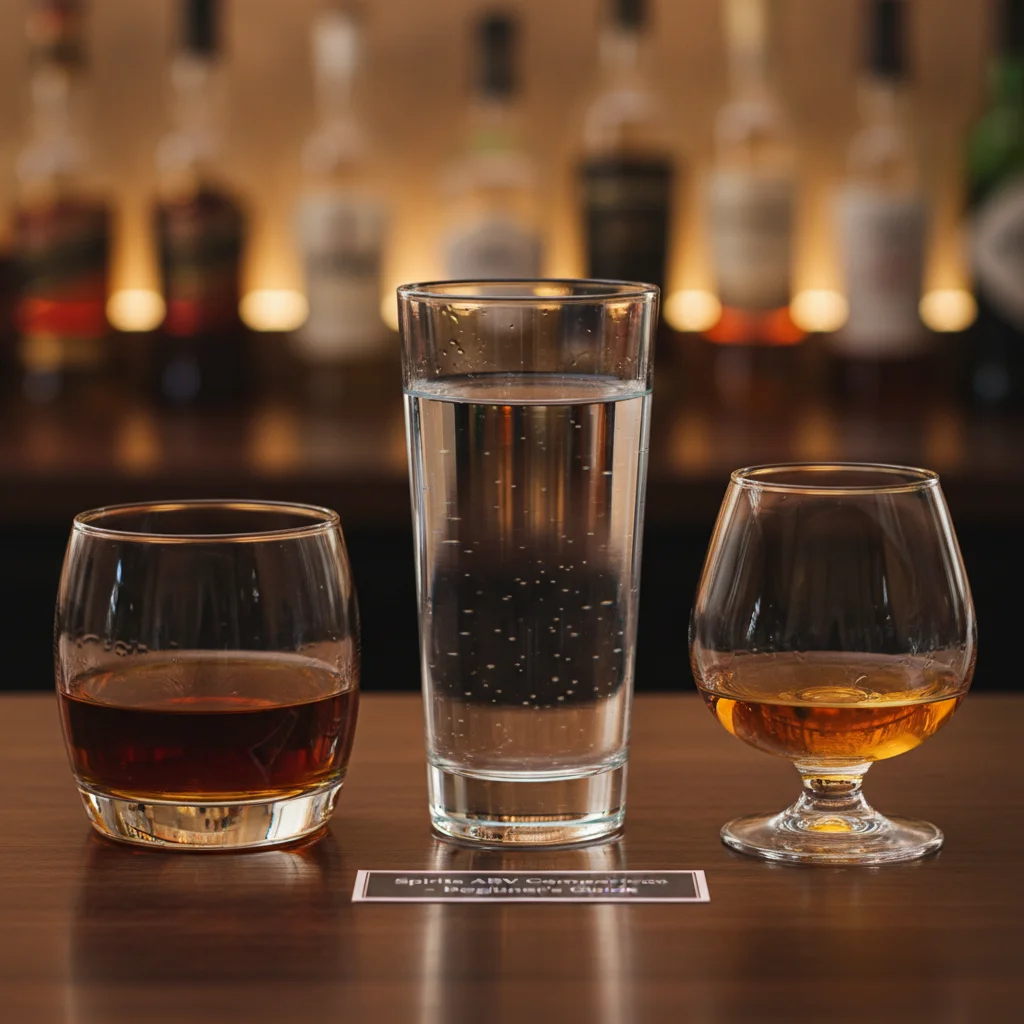
You don’t need a sommelier certificate to start enjoying these spirits. Start with bottles that won’t punish your wallet or your taste buds. Skip the bottom-shelf mystery brands. Don’t mortgage your house for aged rarities either. The middle ground gives you quality without drama.
Smart Starting Bottles for Each Spirit
Grab Appleton Estate Signature Blend for rum. This Jamaican rum costs around $20-25. The flavor sits right in the middle—not too funky, not too bland. You’ll taste molasses sweetness without the overripe banana punch. Mix it in a simple rum and Coke first. Try it neat once you’re comfortable. Diplomatico Reserva Exclusiva works too if you prefer Venezuelan style. It’s smoother, sweeter, easier on newcomers. Expect to pay $35-40. Glass bottle suppliers package it in a distinctive diamond-shaped bottle. You can’t miss it on shelves.
Tito’s Handmade Vodka wins for beginners. This corn-based vodka comes from Texas and runs about $20 for 750ml. Clean enough for martinis. Neutral enough that you won’t grimace. Stolichnaya (Stoli) gives you classic Russian vodka around the same price. Either one mixes well without breaking your budget. Save the Grey Goose for later. Wait until you can taste the difference.
Buffalo Trace bourbon is what whiskey newcomers need. Period. It costs $25-30, you’ll find it almost everywhere, and it tastes like bourbon should. Vanilla, caramel, easy warmth. No harsh burn. Lean toward Scotch? Grab Glenlivet 12-Year. This bottle gives you Speyside smoothness. Fruity, honeyed, easy to drink. Around $45-50. Irish whiskey fans should start with Jameson. Yes, it’s everywhere. That’s because it works. Triple distillation makes it gentle for beginners. About $25 gets you in the game.
Common Tasting Mistakes to Dodge
Stop over-chilling everything. Vodka fans love their freezers. Fine. But don’t ice down rum or whiskey like you’re storing meat. Cold temperatures numb your taste buds. They hide the flavors you paid for. Room temperature works better. So does a single large ice cube. You’ll taste what’s in those bottles from your glass bottle supplier instead of cold numbness.
Age statements confuse everybody at first. A 12-year Scotch doesn’t beat a 7-year bourbon every time. Different spirits age in different ways. Bourbon in new oak barrels develops faster than Scotch in used casks. Caribbean heat speeds rum aging compared to Scottish warehouses. The number tells you time, not quality. Some distilleries release whiskies with no age statement. These can outperform their aged lineup. Trust your tongue over the label.
Don’t mix tasting with food smells. Your nose does half the work. Coffee brewing, dinner cooking, candles burning—they all mess with your ability to smell the spirit. Clear your palate with plain water between tastes. Skip the flavored stuff. A tiny bite of plain bread works too. So do unsalted crackers.
Forget those tiny tasting glasses for now. Use a normal rocks glass or small wine glass. You need room to swirl and smell without spilling. Those tulip-shaped Glencairn glasses? Whiskey nerds love them. Buy them later. Start simple.
Take small sips. Let the liquid sit on your tongue for a moment before swallowing. Notice what hits first—sweetness, spice, burn. Then notice what lingers after you swallow. That’s where the depth shows up. You’re training your palate, not racing through bottles.
Conclusion
To sum up, rum, vodka, and whiskey can be easily distinguished by their raw materials, production processes, flavor profiles, and even appearance—key details we’ve broken down throughout this article to help you tell them apart with confidence, whether you’re ordering at a bar, selecting a bottle for home, or choosing spirits for your business.
When it comes to presenting these premium spirits in the best possible way, the right packaging matters just as much as the quality of the liquor itself. At TP Glass Bottle Manufacturer, we specialize in producing high-quality glass bottles tailored for rum, vodka, whiskey, and all types of spirits. Our durable, stylish, and customizable glass bottles not only preserve the original flavor of your spirits but also enhance their visual appeal on shelves, helping your products stand out. Whether you need standard bottles or custom-designed ones to match your brand, we have the expertise and capacity to meet your needs.