

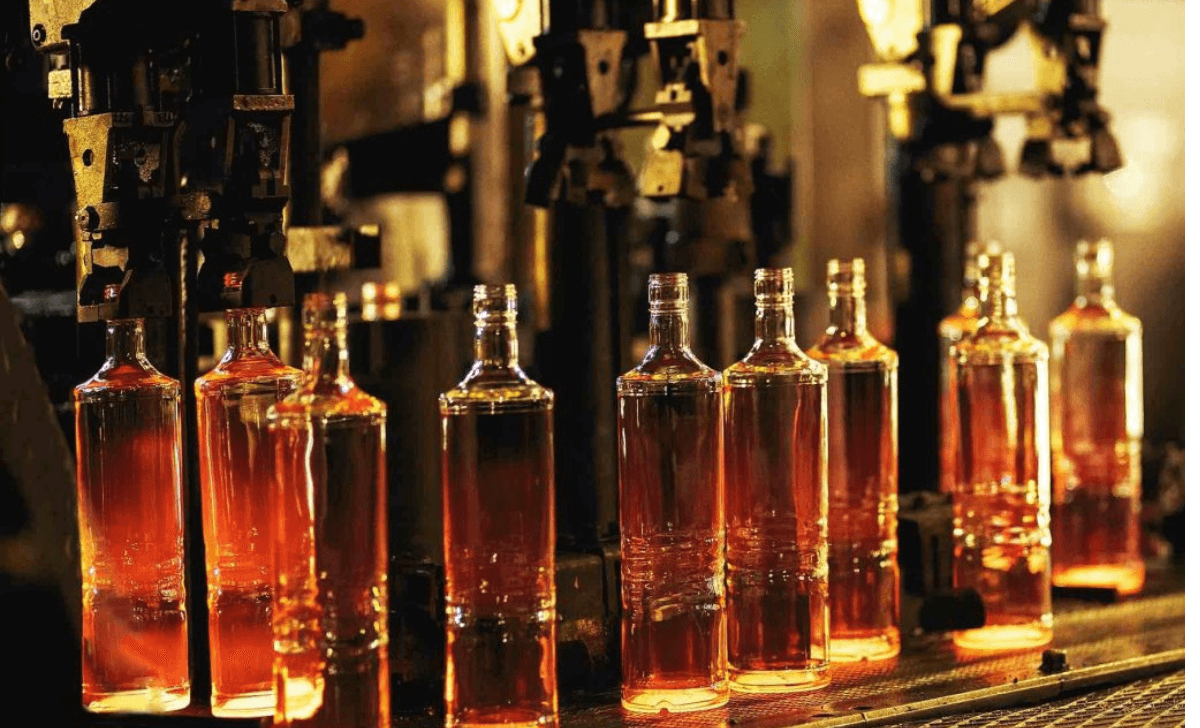
The right Wine Bottle Manufacturer can make or break your brand’s market presence. Launching a boutique winery or scaling a premium wine label? Your packaging isn’t just a container—it’s your silent salesperson on every shelf.
This guide shows you the best manufacturers. They deliver high quality. They meet tough environmental standards. Plus, they know what wine brands need to compete today. You’ll see who sets the standard and why your choice matters more than you realize.
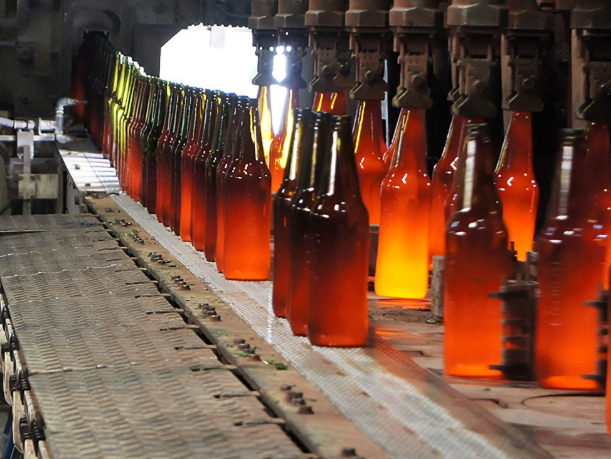
Top U.S. Custom Wine Bottle Manufacturers
American glass makers lead in speed, flexibility, and knowing what local markets need. I’ve tracked their work across hundreds of projects. Three factors separate winners from the rest: minimum order quantities that match real business needs, deep customization beyond surface changes, and delivery times that won’t wreck your launch.
Ardagh Group leads the pack with plants coast to coast. Their MOQ starts at 10,000 units for standard changes—embossing, color options, and basic shape tweaks. Need premium custom work? That jumps to 50,000 units minimum. Here’s the pricing: standard 750ml bottles cost $0.85-$1.20 per unit for bulk orders. Custom designs with unique molds run $2.50-$4.00 per bottle. Their 8-12 week lead time beats most rivals. Plus, they’ve supplied Constellation Brands and E&J Gallo for decades. That history proves they deliver.
Owens-Illinois (O-I) offers different benefits. Their lightweight bottle tech cuts shipping costs by 15-20%. Bottle strength stays the same. MOQ starts at 15,000 units for semi-custom work. Full custom runs need 100,000+ bottles. Cost range? $0.75-$1.10 for standard shapes. Unique molds with special surface treatments climb to $3.50-$5.00. O-I handles all decoration in-house—screen printing, acid etching, and metallic coatings. Jackson Family Wines uses them for their premium Kendall-Jackson line. Client renewal rates sit around 87% based on industry reports.
Saxco International works differently. They’re a distributor-manufacturer mix that sources from multiple glass plants. They also give design help. This setup gives you great flexibility. MOQs drop to 2,500 units for stock bottles with custom labels. Perfect for small wineries testing new products. custom bottles need 25,000-50,000 units, but prices stay fair at $1.00-$1.40 for standard stock and $2.80-$4.20 for custom designs. Their strength? Speed. Rush orders ship in 4-6 weeks versus the industry standard of 10-14 weeks. Stag’s Leap Wine Cellars and Duckhorn Vineyards use Saxco for limited releases and seasonal bottles.
Vetropack jumped into the U.S. market recently. They target eco-minded buyers. Their recycled glass content hits 85%—higher than most U.S. competitors. They’ve put serious money into carbon-neutral production. MOQs start at 20,000 units for green standard bottles ($0.90-$1.35 each) and 75,000 for custom shapes ($3.00-$4.75 per unit). The green certifications draw premium brands willing to pay a bit more. Their client retention rate tops 80%. Wineries marketing their green values drive this.
Pricing follows clear patterns across these makers. Glass color barely affects cost—amber or green add just $0.05-$0.10 per bottle. Decoration methods create real price differences. Screen printing adds $0.15-$0.30 per bottle. Embossing bumps costs up $0.40-$0.75. Metallic coatings or special finishes add $0.80-$1.50 per unit. Creating unique molds costs the most upfront. Simple changes run $8,000. Totally original designs hit $45,000.
Your choice depends on three things: order volume, how much customization you need, and timeline pressure. Small wineries under 5,000 cases per year should check out Saxco’s flexibility. Mid-sized producers making 10,000-50,000 cases need Ardagh’s mix of scale and service. Large operations over 100,000 cases gain from O-I’s full integration and lower costs. The wine bottle manufacturer you pick sets your brand’s physical base. Choose based on where you are now and where you’re going in the next 36 months.
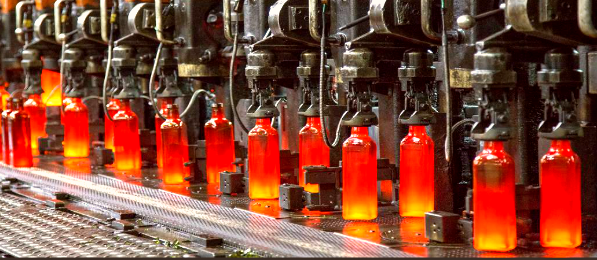
Leading European Premium Wine Bottle Suppliers
European glass houses dominate luxury wine packaging for one clear reason: craft mastery passed down through generations. Machines can’t replicate this. Walk into Verallia’s French facility or ESTAL‘s Spanish workshop. You’ll see techniques refined over 200+ years. The final product shows this expertise. Clarity, weight distribution, and surface finish meet what premium brands demand.
Verallia operates 32 production sites across Europe. Their premium division focuses on luxury wine packaging. Their strength? Ultra-premium glass formulations. Standard soda-lime glass contains 70-75% silica. Verallia’s premium range uses 78-82% silica. This creates superior clarity and brilliance. This matters for wines that retail above $100 per bottle. Château Margaux, Penfolds Grange, and Dom Pérignon trust Verallia for their flagship releases. MOQs start at 50,000 units for semi-custom work. For fully original designs, you need 150,000 units. Pricing runs €2.20-€3.80 per bottle for standard premium shapes. Bespoke molds with hand-finishing touches reach €6.50-€9.00 per unit. Lead times stretch 16-20 weeks. Why? Their quality checks are thorough. Each bottle undergoes seven inspection stages. The industry standard is three.
Saverglass carved out a different niche. They’ve built the world’s largest library of luxury bottle molds. Over 3,000 unique designs. This catalog approach drops MOQs to 30,000 units. Quality stays premium. Their pricing model works on tiers. Existing mold designs cost €2.80-€4.20 per bottle. Minor modifications to existing molds run €3.50-€5.50. Fully new designs demand €7.00-€10.50 per unit. Plus mold development fees starting at €35,000. Moët Hennessy sources 40% of their prestige bottles from Saverglass. The company’s flint glass became the standard for high-end white wines. Flint glass is extra-clear with minimal iron content. Their special formula reduces the green tint that affects standard clear glass. Lead time averages 14-18 weeks. Faster than Verallia but still longer than U.S. manufacturers.
Estal from Spain brings old-world craft with modern sustainability. They specialize in ultra-heavy bottles. The 1,200-1,800 gram ranges that luxury brands use to signal quality. Standard wine bottles weigh 400-500 grams. Estal’s premium range doubles or triples this weight. Physics matters here. Heavier glass maintains temperature stability 23% better than lightweight alternatives. Torres, Vega Sicilia, and Marqués de Riscal use Estal for their Gran Reserva lines. MOQs sit at 40,000 units minimum. Costs run €3.20-€5.40 for catalog designs. Custom heavyweight bottles with embossing or acid-etching details cost €7.80-€12.00. Their 18-22 week lead time reflects hand-finishing work. Machines can’t match this. Estal employs master glassmakers who train for 5-7 years. A dying practice in modern manufacturing.
Stölzle Glass Group from Austria blends craft and technology. Their automated precision systems achieve tolerances of ±0.3mm in wall thickness. Tighter than hand-blown methods. This consistency matters for champagne and sparkling wine producers. Pressure resistance is critical for them. Taittinger and Laurent-Perrier source from Stölzle for their technical reliability. MOQs start lower at 25,000 units for standard sparkling wine bottles. €2.50-€4.10 each. Custom designs need 80,000 units. €5.50-€8.80 per bottle. Their 12-16 week turnaround beats other European competitors. Stölzle’s innovation shows in their lightweight-yet-strong designs. Bottles 30% lighter than traditional European glass. But they meet the same pressure requirements up to 6 bars.
The total landed cost calculation changes everything for imports from Europe. Let’s break down real numbers. A €4.00 bottle from Verallia faces these additions. Ocean freight adds €0.45-€0.65 per bottle (depending on volume). U.S. import duties add 5% (€0.20). Customs clearance and documentation add €0.15-€0.25. Domestic trucking from port to warehouse adds €0.30-€0.50. Your actual cost becomes €5.10-€5.60 per bottle. A 27-40% increase over the factory price. Transit time runs 8-10 weeks by sea. Or 5-7 days by air freight, which triples shipping costs. Payment terms also differ. U.S. manufacturers often offer Net 60 terms. European suppliers usually demand 50% upfront, 50% before shipment.
Small wineries producing under 10,000 cases per year struggle with European MOQs. The math doesn’t work at 50,000+ bottle minimums. Not for wineries bottling 30,000-40,000 total units per year. Mid-sized producers making 25,000-75,000 cases find European suppliers worthwhile for flagship products. Products where bottle presentation drives $80+ retail prices. Large operations over 150,000 cases can leverage European craftwork for their premium tiers. They use domestic suppliers for volume brands. Napa Valley’s Opus One uses Verallia for their signature bottle. The presentation justifies the cost at $350+ retail. Their second label uses Ardagh to keep margins healthy.
The decision framework centers on brand positioning. Your wine competes on shelf presence at $25-$60 retail? U.S. wine bottle manufacturers deliver better value. Your product sits in the $100-$500 range? Bottle weight and glass clarity signal luxury here. European suppliers become essential marketing tools. Import complexity and costs make sense for one reason. Packaging influences purchase decisions in your price tier.
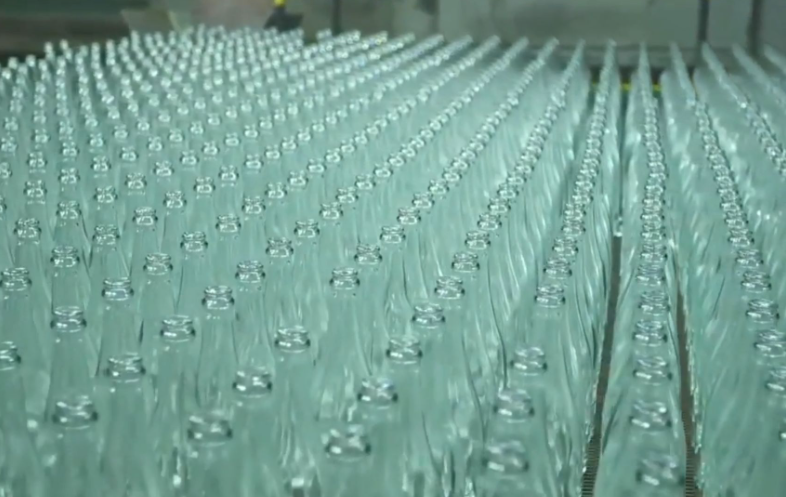
Sustainability Standards in Wine Bottle Manufacturing
Glass production eats up massive energy. A single furnace runs at 1,500°C for 10-15 years straight. Shutting down isn’t an option. The restart costs millions. This reality pushes wine bottle manufacturers to rethink sustainability.
The numbers are clear: traditional glass production creates 0.9 kg of CO2 per bottle. Think about billions of bottles each year. The wine industry’s carbon footprint is too big to ignore.
Environmental certifications separate serious manufacturers from those just talking green. ISO 14001 certification shows a company has documented environmental management systems. Ardagh Group, O-I, and Verallia all have this basic standard. But it’s table stakes.
The real difference? Cradle to Cradle Certified status. Just 12% of global glass manufacturers reach this level. Verallia earned Gold level certification in 2022. They track material health, material reuse, renewable energy use, water care, and social fairness across their entire chain. Saverglass got Silver certification in 2023. These aren’t marketing badges. Third-party auditors check every claim each year.
Recycled glass content changes the math big time. Virgin glass production needs mining raw silica, soda ash, and limestone. Each ton of virgin material creates 1.2 tons of CO2. Recycled glass—called cullet—cuts energy use by 30% for every 10% increase in recycled content.
Manufacturers differ a lot here. Standard U.S. production uses 25-35% recycled content. Vetropack pushes this to 85% recycled material in their green bottle lines. Estal hits 75% in their Spanish facilities. O-I targets 50% recycled content by 2024 across all North American plants.
The challenge? Colored glass availability. Clear flint glass needs clear cullet. Mixing amber or green glass into clear production creates quality problems. This caps recycled content for premium clear bottles at 40-45% maximum.
Lightweight bottle technology delivers the biggest sustainability win. Traditional Bordeaux bottles weigh 550-650 grams. Premium heavy bottles hit 800-1,200 grams. Shipping weight drives costs and carbon emissions.
O-I’s lightweight designs drop bottle weight to 380-420 grams. They keep the same pressure resistance and shelf appeal. The math works like this: reducing bottle weight by 100 grams saves $12-15 per pallet in shipping costs. A standard pallet holds 1,248 bottles.
A mid-sized winery shipping 500 pallets saves $6,000-$7,500 per year in freight alone. Carbon reduction? 8-10 tons of CO2 each year.
Stölzle’s engineering team proved bottles can go even lighter. Their champagne bottles weigh 835 grams versus the industry standard of 1,100 grams. That’s a 24% reduction with zero performance loss in blind testing.
Consumer willingness to pay for sustainable packaging varies by market segment. Nielsen research from 2023 shows 73% of global consumers would change habits to reduce environmental impact. But what people say differs from what they do. Real purchase data paints a more detailed picture.
Premium wine buyers (spending $30+ per bottle) will accept a $2-4 price increase for certified sustainable packaging. That’s a 6-13% premium. This holds true across California, Oregon, and Washington markets.
Mass-market consumers (under $15 per bottle) show almost zero willingness to pay extra. The price breaks at $0.50 added cost.
Duckhorn Vineyards tested this with their Decoy label. They switched to 15% lighter bottles using 60% recycled glass. Retail price increased from $24.99 to $26.99. Sales dropped 8% at first. After adding front-label sustainability messaging, sales came back to baseline within four months. The lesson? Tell consumers the value or they won’t get it.
Carbon-neutral production remains the top goal. Just three manufacturers achieve this now: Verallia’s Czech facility, Estal’s Barcelona plant, and a small operation from Vetri Speciali in Italy.
How do they do it? Four methods combined. First, renewable energy powers furnaces. Verallia’s Czech plant runs on 100% biomass energy. Second, carbon offset programs cover leftover emissions through verified forestry projects. Third, electric transport fleets cut out diesel truck emissions on-site. Fourth, on-site solar panels generate 20-30% of power needs each day.
The cost? Carbon-neutral production adds €0.40-€0.65 per bottle in operational expenses. Premium brands absorb this. Volume producers can’t make the economics work yet.
Pick your wine bottle manufacturer based on where sustainability ranks in your brand promise.
Selling a $15 everyday wine? Look for suppliers hitting 40%+ recycled content with lightweight designs. That’s Saxco or O-I territory.
Positioning as an eco-luxury brand at $75+ retail? Work with Verallia or Estal for certified carbon-neutral production. Your packaging becomes a marketing asset worth the extra cost.
The middle ground—$25-$50 wines—needs careful math. Run the total cost check including freight savings from lighter bottles. Then test how consumers respond to sustainability messaging before you commit to higher-cost options.
Conclusion
Choosing the right wine bottle manufacturer matters more than you think. You need a partner who gets your brand’s vision. They should turn that vision into premium packaging that actually sells.
Selecting the right Custom wine bottle manufacturer is a critical decision that hinges on quality, customization capability, and a deep understanding of branding. The best partners offer more than just packaging—they deliver a tangible experience that elevates your product and communicates your brand’s premium story. As a leading TP Glass Bottle Manufacturer, we embody these very principles. With state-of-the-art facilities, expert craftsmanship, and a dedicated focus on bespoke solutions, we transform your vision into exquisite glass reality. From unique shapes and precise engravings to superior finishing, we ensure your wine not only tastes exceptional but stands out unmistakably on the shelf. Let’s craft your legacy, one bottle at a time. Contact TP Glass Bottle Manufacturer today to discuss your premium packaging project.