

Apothecary Jars with Lids have been around for centuries, originally used in pharmacies to store medicines, herbs, and chemicals. Today, these classic glass containers have found a new life in homes everywhere. Their simple, timeless design and clear glass make them incredibly versatile pieces that work in almost any room. In this article, we’ll explore the many different ways you can use these jars around your home, from functional storage to beautiful decorative displays.
Table of Contents
What Are Apothecary Jars with Lids? (Origin & Evolution)
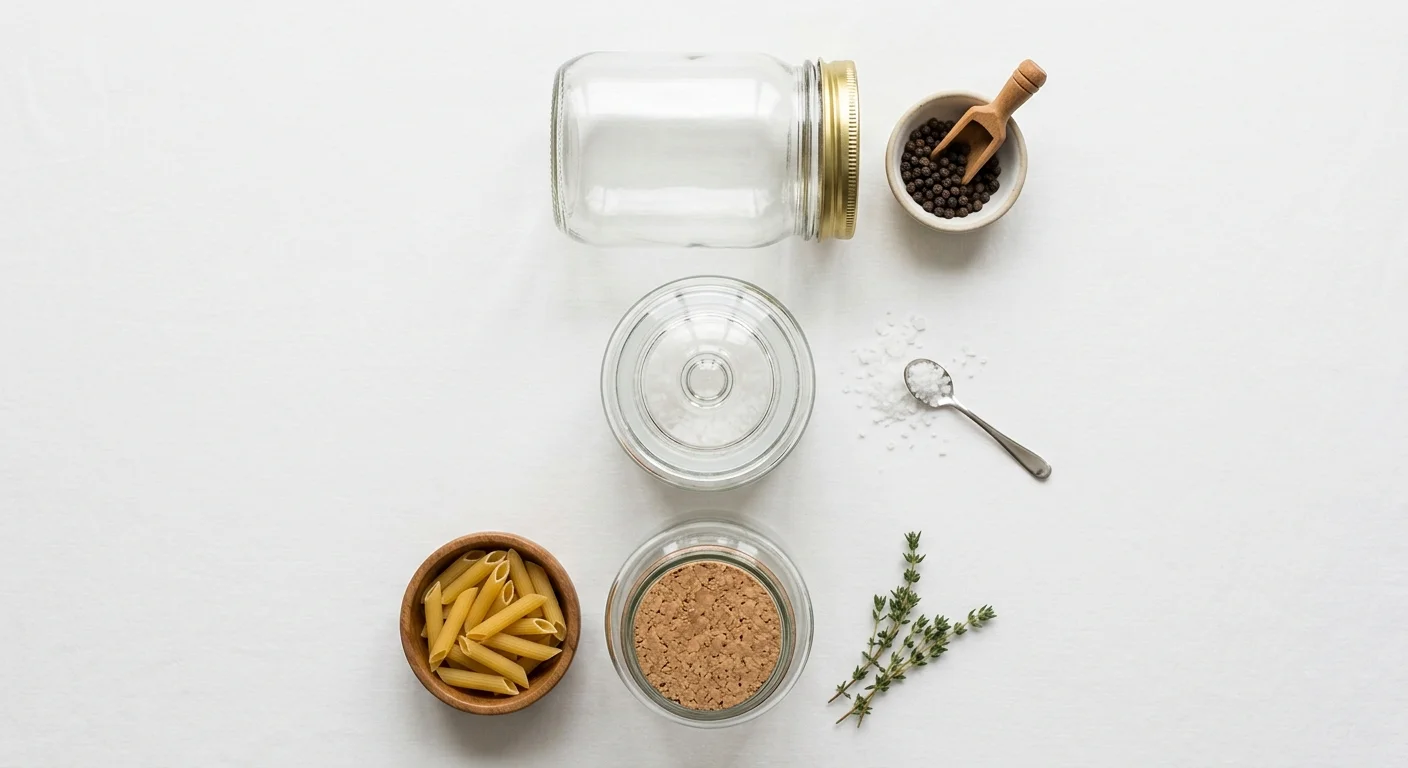
The word apothecary comes from the Greek apothēkē — meaning a place to store things. In 18th and 19th century Europe, apothecaries were the pharmacists of their day. They dispensed herbs, tinctures, and remedies from rows of sealed glass vessels. Each jar was labeled and lidded with care. The jars weren’t decorative. They were tools of careful, precise work.
That functional seriousness is what makes them feel so compelling today.
Modern apothecary jars with lids carry that same visual language. You get the generous curves, the weighted base, the satisfying seal of a well-fitted lid. But the materials and purpose have shifted. Today’s versions are made from lead-free clear glass — food-safe and durable. They’re built less for storing belladonna and more for holding cotton rounds, sea salt, or a small pile of ribbon candy.
What hasn’t changed is the core logic: a lidded jar keeps things organized and makes the organization look good. That combination is hard to find in most home goods.
The revival isn’t nostalgia for its own sake. It’s a recognition that something built with real purpose — refined over centuries — tends to hold up. A heavy glass jar with a proper lid feels like a pushback against disposable culture. You’re choosing something that lasts, looks good doing it, and actually earns its place on the shelf.
Types of Apothecary Jars with Lids: Materials, Shapes & Lid Options Compared
Not every apothecary jar is built the same. That difference matters more than most people expect — especially when you’re trying to make a space feel pulled together.
Glass Material: Clear, Amber, or Frosted?
Clear glass is the workhorse. It shows off what’s inside — cotton balls, spices, layered candies. It pulls in light and makes a shelf feel alive. You’ll find it’s the most flexible pick for kitchens, bathrooms, and wedding displays.
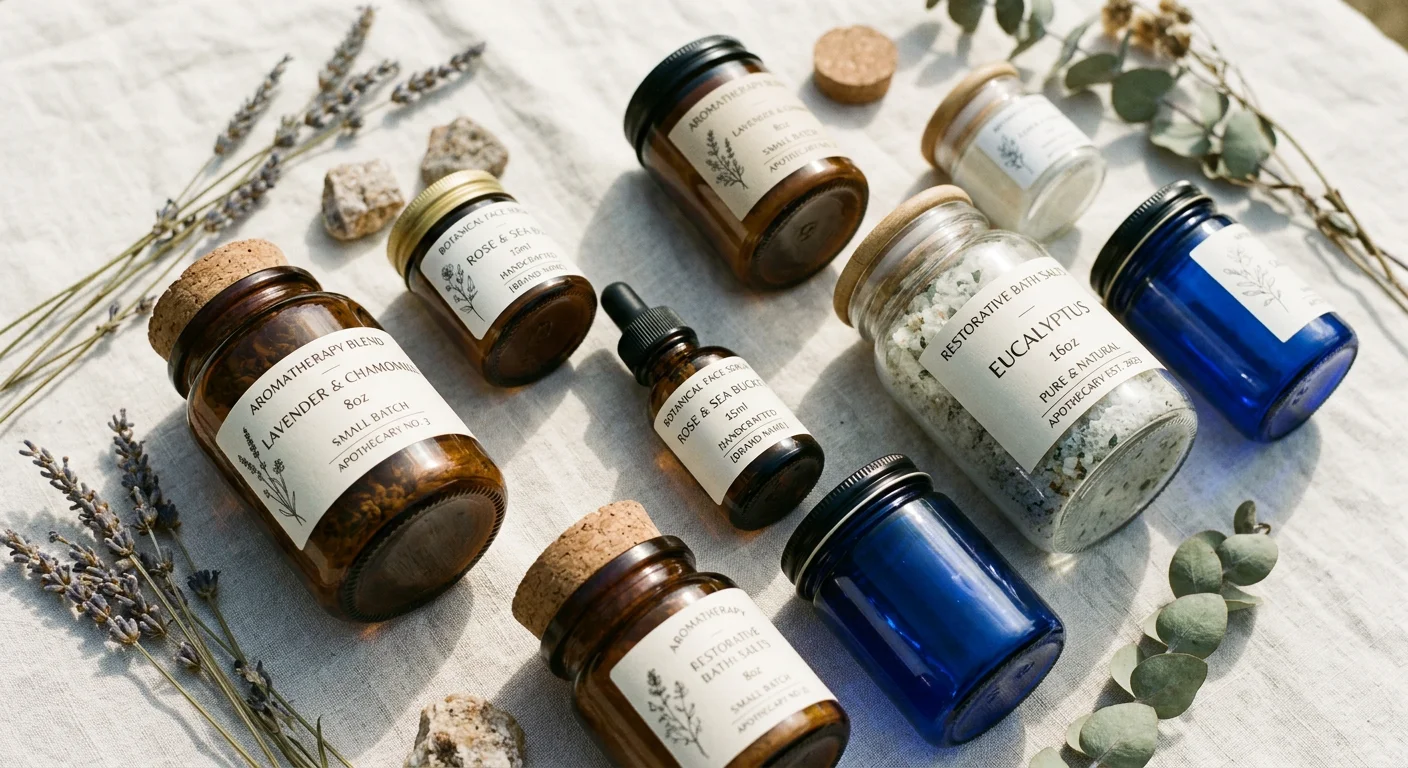
Amber glass works differently. That warm, honey-toned tint filters UV light. It’s a solid choice for storing herbs, bath salts, or anything light-sensitive. Plus, it carries a stronger vintage apothecary feel — earthy, a little moody, grounded.
Frosted glass is quieter. It softens the look of what’s inside. That’s a real advantage when your bathroom storage isn’t fully organized. It works well for spa-style setups where the suggestion of order matters more than full visibility.
Lid Types: What Each One Does
| Lid Type | Best For | Trade-off |
|---|---|---|
| Metal screw cap | Airtight kitchen storage, spices | Less decorative |
| Glass dome/balloon lid | Display, visual drama | Light seal only |
| Cork stopper | Vintage styling, dry goods | Not moisture-proof |
| Custom/OEM lid | Branded retail, bulk orders | Requires minimum quantity |
The glass dome lid is the top choice for décor — it sits heavy and looks deliberate. Cork looks great on a farmhouse shelf. Just don’t use it for anything that needs a tight seal.
Size & Shape: Matching the Jar to the Space
- Small-mouth bottles — perfume-counter elegance; ideal for dried flowers or bath oils
- Wide-mouth jars — the practical everyday choice; easy to fill, easy to clean
- Pedestal/footed styles — natural centerpiece height for wedding tablescapes
- Apothecary jar sets — mixed sizing creates visual rhythm across a shelf or counter
A large apothecary jar anchors a space. Smaller jars around it build the story.
Decorative Apothecary Jars for Bathroom: How to Build a Spa-Worthy Display
The bathroom is the one room where a little intention goes a long way. Place three bathroom apothecary jars on your counter — each filled with something different, each catching the light in its own way. That small move can turn a plain, functional space into something that feels calm and restorative.
The secret isn’t expensive product. It’s thoughtful pairing.
The Best Fillers, and Why They Work Together
Start with what you’re storing. Then think about how it looks.
These four fillers work well as a bathroom grouping. Each one looks distinct enough to create contrast, yet they all feel like they belong together:
- Cotton balls or cotton rounds — bright white, soft-edged, airy. They fill a wide-mouth jar well and bounce light upward. Use a mid-sized clear glass jar here. The simplicity is the point.
- Bath salts or sea salt — coarse-grained, often tinted (pink Himalayan, grey Atlantic). The texture looks different from cotton. Layer colors inside the jar for a subtle gradient, or keep it single-tone for a cleaner look.
- Soap pearls or guest soaps — small, often pastel, with a slight sheen. They add color to the grouping without taking over. A handful in a petite jar with a glass dome lid looks polished and finished.
- Sugar scrub or body polish — thicker, matte, often earth-toned. It anchors the display with weight and depth. Place it in the tallest jar to give the whole grouping a natural focal point.
Building the Display: Color, Texture, Height
Think in threes. One tall jar, one mid-height, one small. Vary the fill — one smooth, one granular, one soft. That rhythm is what separates a display from clutter.
For color, stay within a two-tone palette. White and blush. Ivory and sage. The jars themselves — clear glass jars with lids work best here — act as neutral frames. The fills do all the color work.
Natural light handles the rest. A bathroom windowsill with three well-filled decorative glass containers with lids needs nothing else.
Glass Apothecary Jars in the Kitchen: Storage Ideas That Look as Good as They Work
Kitchen storage has a reputation problem. Most solutions are functional at best — airtight but ugly, practical but forgettable. Kitchen apothecary jars solve both sides of that equation at once.
The logic is straightforward. See what you have, and you’ll use it. A beautiful container stays on the counter. An ugly one gets buried in the cabinet.
Matching the Right Jar to the Right Ingredient
Different dry goods have different needs. Getting the pairing right means your storage does its job — not just looks like it does.
- Spices and dried herbs — amber glass is the right call. That warm tint filters UV light and slows flavor loss. A small cork-stoppered amber jar on an open spice shelf looks deliberate and keeps your seasonings fresh longer.
- Coffee beans and loose-leaf tea — both are light-sensitive and aromatic. Wide-mouth clear Glass Jars with lids look great on a morning station. But your kitchen gets strong afternoon sun? Go with amber glass instead. It’s the smarter choice for flavor protection.
- Pasta, grains, and flour — use wide-mouth jars with a solid seal. Different pasta shapes stacked inside clear glass containers with lids create their own visual interest. Let the contents do the decorating.
- Sugar and salt — simple and low-maintenance. A squat, wide-mouth jar with a glass dome lid keeps both easy to reach and good to look at.
The Food Safety Question (Answered Straight)
A lot of people hesitate here. Can I store food in these?
Yes — with the right jar. Check for three things: borosilicate glass (durable and non-reactive), a food-grade silicone or rubber gasket on the lid, and BPA-free certification. Those three markers confirm the jar is built for real kitchen use, not just shelf decoration.
Skip decorative jars with ornamental lids if airtight storage matters to you. A glass dome looks great — but it doesn’t seal. Dry goods that need protection from moisture or air need a metal screw cap or gasketed lid. That’s the right choice, full stop.
How to Choose the Right Apothecary Jar with Lid: A Practical Buying Guide
The right jar doesn’t announce itself — it just fits. But getting there takes a little honest thinking about what you need.
Start with purpose. That single question cuts through most of the confusion.
Match the Jar to the Job
- Pure decoration — Go for a glass dome lid and a pedestal base. Visual presence matters more than seal quality here. Clear glass, generous curves, something that earns its place on the shelf.
- Dry goods storage — You need a gasketed metal lid or silicone-sealed cap. Check for borosilicate glass and a BPA-free certification. Don’t compromise on this.
- Bathroom organization — Wide-mouth, easy to clean, with a lid that stays put. A mid-sized clear jar handles cotton rounds and bath salts without fuss.
- Wedding or event display — Footed or pedestal styles with balloon lids. Height creates drama. A set of mixed sizes does more than a single statement piece.
The Quick Checklist Before You Buy
Four things to confirm before checkout:
- Seal quality — Press the lid down and release. A quality seal creates slight resistance. Decorative lids won’t do this, and they’re not meant to.
- Food-grade marking — Look for a fork-and-glass symbol or a clear “food safe” label. This matters if the jar is going anywhere near your kitchen.
- Capacity fit — A 32 oz jar holds about 200 cotton balls or around 1.5 cups of dry pasta. Estimate before you order.
- Set value — A three-piece set at $22–$28 tends to beat three individual jars at $10–$15 each. Add shipping costs, and the set wins almost every time.
Pricing & Bulk Orders
For retail buyers, expect $15–$30 for small sets and $20–$50 for larger single pieces in quality glass. Sourcing for events, retail shelves, or brand packaging? Wholesale apothecary jars with lids bring much better per-unit pricing. OEM customization — logo, lid finish, shape — also becomes practical at higher volumes. That’s a separate conversation. Talk to the manufacturer and get the numbers for your specific order size.
Apothecary Jar Care, Cleaning & Longevity Tips
Glass is forgiving. It doesn’t stain, doesn’t absorb odors, and ten years from now it will look the same as the day you brought it home — as long as you treat it right.
The short answer on dishwashers: skip it. High heat loosens metal lids, warps cork stoppers, and clouds glass over time. Hand-wash the jar body with warm water and a drop of dish soap. Rinse well, then let it air dry upside down on a clean towel. That’s all it needs.
For each component:
- Glass body — Warm water, gentle soap, soft brush for the inside. No abrasives.
- Metal lids — Wipe clean rather than soak. Prolonged water contact causes rust at the rim. Dry it right away. Make sure it’s bone dry before putting it away.
- Cork stoppers — Never submerge. Wipe with a lightly damp cloth. If mold appears, dab with diluted white vinegar. Let it dry out in open air before putting it back.
Once clean and dry, store lids off the jar for long-term storage. Trapped moisture is what causes that faint musty smell.
A small DIY note: These jars are great for reinvention. Try a coat of gold spray paint on a metal lid. Wrap a few rounds of jute twine around the neck. Add a handwritten label on kraft paper. Small touches like these make a thrifted or worn-out jar feel fresh and intentional again.
FAQ: Everything You Need to Know Before Buying Apothecary Jars
These questions come up a lot — from first-time buyers and long-time collectors. Here are the straight answers.
Are apothecary jars food safe?
Some are, some aren’t. Kitchen-ready jars use borosilicate glass, a food-grade gasket, and BPA-free certification. Check for those three markers before storing anything edible. Decorative jars with ornamental lids are for display — they don’t meet food safety standards.
What’s the difference between apothecary jars and mason jars?
Shape and purpose, mainly. Mason jars were built for canning. They’re functional and plain, with a two-piece metal lid for pressure sealing. Apothecary jars take a different approach — curved silhouettes, weighted bases, dome or cork lids. You can store food in them. They just do it with a lot more style.
Can I use apothecary jars without lids?
Yes. Open jars are great for cotton balls, dried flowers, decorative stones, or anything that doesn’t need sealing. A lid adds polish and protection. But you don’t always need one.
For Bulk & B2B Buyers
Can I get custom logo lids?
Yes. Custom lid finishes, embossed logos, and branded packaging are all available through OEM services. Your options depend on order volume. Reach out and share your specifics — you’ll get a clearer picture fast.
What’s the MOQ for bulk orders?
It varies by product style and customization level. Standard wholesale orders start at lower quantities. Full custom OEM runs need higher volume. Send the manufacturer your target quantity and intended use. They’ll give you exact numbers.
Do you offer OEM packaging?
Yes. Full OEM packaging is available for retail brands and event suppliers. That includes custom shape, color, lid type, and labeling.
Conclusion
To sum up, apothecary jars with lids are far more than just vintage-inspired decor pieces. They serve as practical storage solutions for every room in your home, from organizing kitchen ingredients and bathroom essentials to displaying decorative items and creating beautiful centerpieces. Their timeless design means they will never go out of style, and their durable glass construction ensures they will last for years to come.
At TP Glass Bottle Manufacturer, we specialize in producing high-quality apothecary jars with lids in various sizes, shapes, and finishes to meet your specific needs. Contact us today to discuss your requirements and get a free quote for your next glassware order.