

Few packaging decisions carry as much history — or as much strategic weight — as choosing glass for your beverage. The Glass Soda Bottle has come a long way. It started as a hand-blown curiosity in nineteenth-century apothecary shops. Now it’s a precision-engineered, sustainability-certified container reshaping modern beverage branding. At one point, it came close to vanishing from shelves. Today, it’s making a quiet comeback — and that comeback is no accident.
This guide covers the full picture. You’ll find the history, the key turning points, the trends, and the decisions that matter right now. It’s useful whether you’re a collector tracing antique soda bottles, a brand owner comparing glass vs. plastic packaging, or a procurement buyer looking for a supplier who gets your product.
The Origins of Glass Soda Bottles: From Hand-Blown Craft to Industrial Scale (1810s–1950s)
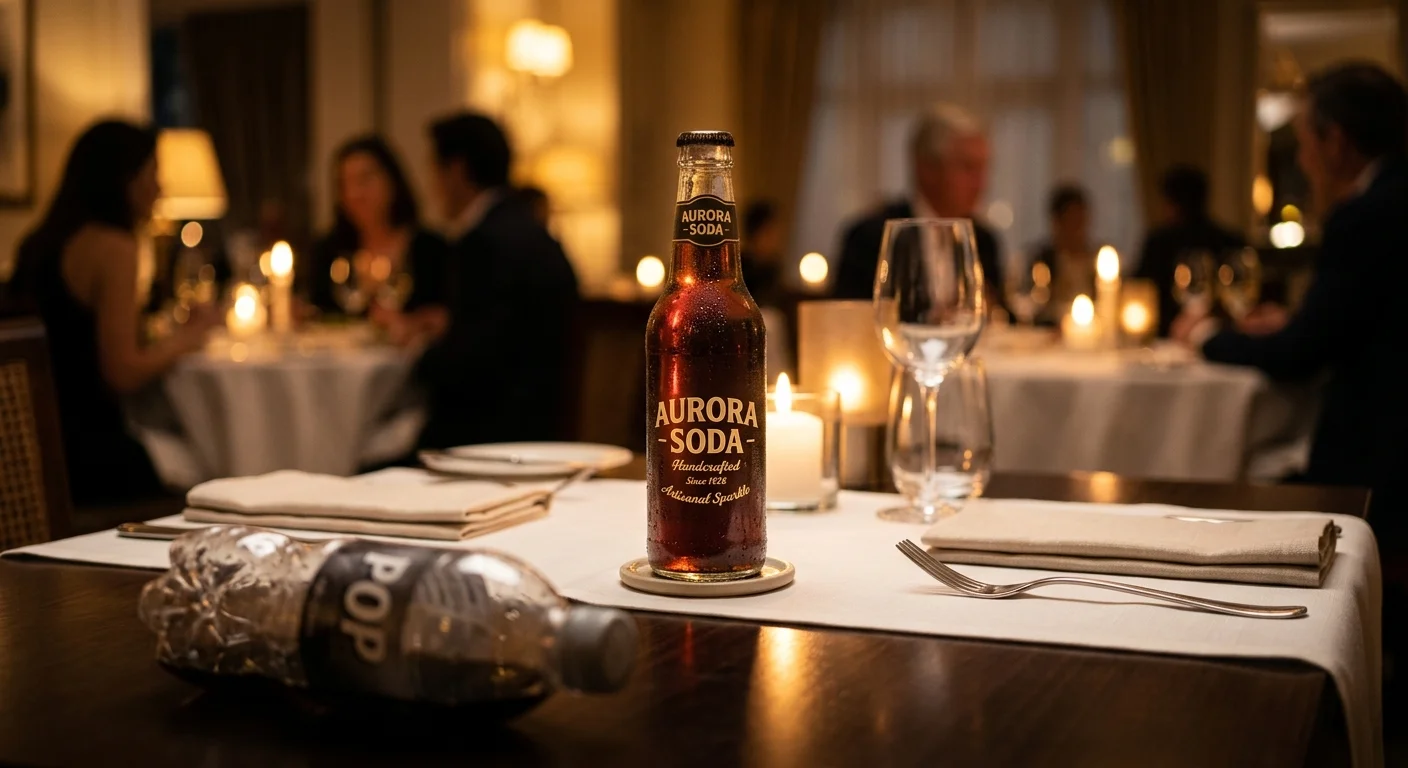
Carbonated water was once a luxury — a fizzy novelty sold by pharmacists who believed it had medicinal properties. The commercial soda industry started growing in the early 1800s. Manufacturers needed a container that could do one very specific job: hold pressurized gas without exploding, leaking, or tainting the drink inside.
Glass was the clear answer. Not because it was easy to work with. Early hand-blown bottles were slow to make, inconsistent in shape, and easy to break. But no other material at the time could match what glass offered. It didn’t react with liquids. It sealed tightly on its own. And it was strong enough to hold carbonation pressure. Those three qualities made the glass soda bottle the go-to packaging choice for carbonated drink producers across Europe and North America — and those qualities still hold true today.
From Handcraft to Mass Production
Through most of the 1800s, glassblowers made bottles one at a time by hand. Production was slow. Costs stayed high. Soda water was an upscale product, sold in small amounts to people who could afford it.
That shifted in the late 19th and early 20th centuries, with semi-automatic bottle-making machines entering the picture. Output jumped. Prices dropped fast. Glass bottle manufacturing moved from a skilled craft to a full industrial process. Soda water moved with it — off apothecary counters and into everyday homes.
When a Bottle Became a Brand
The biggest turning point in soda bottle evolution came in 1915. Coca-Cola patented its now-famous contour bottle. The design was so distinct you could identify it by touch alone — in the dark, or even broken into pieces. That wasn’t an accident. The original design brief called for exactly that.
The glass soda bottle stopped being just a container. It became a brand asset — a three-dimensional logo that people held in their hands.
That idea stuck. It grew more refined over time. Today, antique glass soda bottles from this era draw serious collector interest. Rare embossed examples fetch hundreds of dollars at auction. That’s proof of something straightforward: well-designed glass packaging builds value that outlasts whatever was inside it.
The Rise of Plastic and Glass’s Near Decline: The Packaging Shift of the 1970s–1990s
In 1973, one patent changed the beverage industry for good. A chemist named Nathaniel Wyeth patented the PET (polyethylene terephthalate) plastic bottle — and bottlers never looked back. At least, not for a while.
By the 1980s, PET bottles were everywhere. They were lightweight, shatter-resistant, and far cheaper to ship. That combination solved three problems bottlers had struggled with for decades:
- Weight — a plastic bottle was a fraction of the mass of glass
- Breakage cost — fewer losses in transit meant real money saved
- Logistics — simpler handling across warehouses and shipping routes
Lower freight costs per case added up fast. For large soda producers moving millions of units, those savings grew into a serious competitive edge.
The numbers told a blunt story. Glass soda bottle market share in the U.S. fell hard through the 1980s and into the 1990s. Plastic captured the mass-market carbonated drink segment at a speed few expected. Major brands followed the economics — there was no real debate. The returnable glass bottle programs once central to American soda culture — where consumers brought empties back for a deposit refund — faded out of mainstream retail with little fanfare.
Glass Didn’t Disappear. It Relocated.
Glass packaging didn’t vanish. It just moved to different places. Premium restaurants kept glass on their tables. Export markets in Europe and parts of Asia stayed loyal to glass longer than the U.S. did. Specialty sodas and regional craft beverages kept using it too. These weren’t sentimental choices — they were deliberate positioning decisions by brands that understood what the material communicated.
Something else shifted during this period. As plastic became the default, glass became the signal. A glass bottle on a restaurant table said something. It suggested care, craft, and a product worth paying more for. Nobody planned it that way. It just happened. Glass vs. plastic soda bottle stopped being a straight practical comparison. It turned into a brand conversation. That distinction carried real weight in the decades that followed.
Modern Glass Soda Bottle Packaging Trends Reshaping the Beverage Industry (2020s)
The glass soda bottle didn’t just survive the plastic era. It came back sharper, lighter, and smarter — and the brands paying attention are already cashing in.
The 2020s mark a real turning point for glass packaging. Three forces hit at the same time:
– A consumer sustainability movement with real teeth
– A premiumization wave sweeping the beverage market
– Meaningful engineering advances that fixed glass’s oldest weaknesses
The result is a package that looks familiar but performs in ways that would have shocked a bottler twenty years ago.
Lightweighting: Less Glass, More Performance
The biggest shift in glass bottle manufacturing over the past decade isn’t about looks. It’s structural.
Modern lightweight glass soda bottles now weigh around 150 grams. That’s 30 to 50 percent lighter than traditional designs. It sounds like a minor technical detail. It isn’t. That weight drop changes the cost math across the entire beverage supply chain.
Here’s how it plays out:
– Lighter bottles mean more units fit per pallet
– More units per pallet mean lower freight costs per case
– Scale that across hundreds of thousands of units, and the savings become a real competitive edge — not a rounding error
For brands running global distribution, this hits the bottom line in a direct, measurable way.
Now, the obvious question: does lighter mean weaker? Not with modern manufacturing. A 150-gram bottle that cracks under carbonation pressure isn’t an innovation — it’s a liability. Manufacturers keep structural integrity through two specific techniques:
- Optimized wall thickness distribution — walls are thicker where stress builds up, thinner where it doesn’t
- Annealing accuracy — controlled cooling that removes internal stress without weakening the glass
The bottle stays strong. It just does the job with less material.
Sustainability: The Argument Glass Has Always Had — and Now Gets Credit For
Plastic’s efficiency advantage was real in 1980. In 2024, its liability is just as real.
Glass packaging sustainability rests on one claim no other material can match: glass is 100 percent recyclable, with no quality loss, no matter how many times you recycle it. Melt it, reshape it, refill it. The material holds up. It doesn’t release microplastics into the product or the environment. It doesn’t leach chemicals under heat or pressure.
For a carbonated drink glass bottle, that chemical neutrality matters. The taste stays true to what the formulator created — no off-notes, no contamination.
Regulators are now catching up to what the material already delivers. The EU Packaging and Packaging Waste Regulation — moving through legislative stages now — sets rising recycled content requirements and recyclability standards. Glass’s natural properties meet these standards far better than engineered plastic alternatives do.
Brands sourcing eco-friendly glass packaging today aren’t just chasing consumer sentiment. They’re getting ahead of compliance requirements before those requirements become mandatory.
Custom Design as a Commercial Strategy
Coca-Cola’s 1915 contour bottle proved something that premium brands are rediscovering now: a distinctive glass shape is a brand asset, not just a packaging choice.
In the 2020s, beverage packaging innovation means going beyond the label. Custom embossing, unique silhouettes, tactile surface textures, and color variations all communicate brand identity before a shopper even reads the label. The bottle does the talking first.
For craft soda brands and premium beverage lines, the glass soda bottle actively works on the shelf. It creates a visual and physical impression that a standard PET bottle can’t match. You can hold a well-designed glass bottle and feel the difference. That tactile experience drives purchase decisions in ways that flat plastic surfaces never will.
Glass Soda Bottles: Why Premium Brands Are Returning to Glass
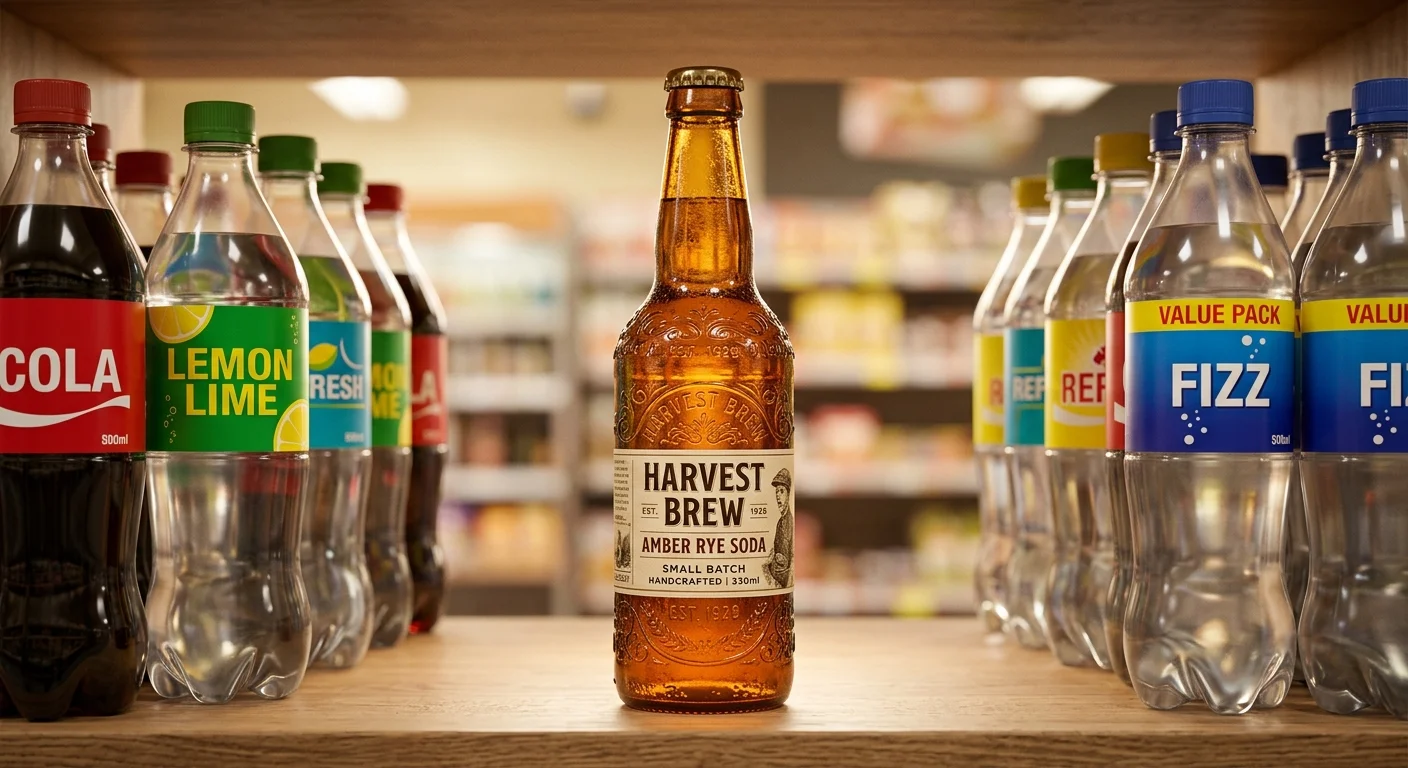
The return to glass isn’t nostalgia. It’s simple math.
Premium beverage brands aren’t choosing glass soda bottles out of sentiment. They’re choosing glass because the data on consumer behavior, market growth, and brand performance all point the same way — and smart operators follow the data.
What Consumers Really Experience
Packaging perception research shows one clear pattern: the container shapes how people judge what’s inside. In consumer studies on carbonated drink glass bottles, participants rate the same drink as tasting better from glass than from plastic. That’s not imagination. Glass is chemically inert. It delivers the drink as formulated — no polymer interaction, no subtle taste transfer from pressure or heat.
The visual and tactile signals add to that effect. Glass reads as premium before the first sip. Shoppers connect it with quality, craft, and care. Glass vs. plastic soda bottle comparisons confirm this perception gap again and again. Purchase intent scores rise with glass packaging. For brands fighting for attention in crowded beverage categories, that boost at the point of decision carries more weight than most line items on a marketing budget.
A Market That’s Growing — For Real
The craft and premium soda segment isn’t a small curiosity anymore. It’s a proven growth category — and glass packaging is growing right with it.
The global craft soda market has grown through the early 2020s. Consumers are trading up from mass-market options. They want cleaner ingredients, regional character, and distinct branding. Within that segment, glass soda bottles hold a strong share. Brands entering the premium tier go to glass early — for the positioning signal, and because their buyers expect it.
That expectation builds a feedback loop. Glass becomes the shorthand for quality in the category. New entrants adopt it to compete. The format’s share of the premium segment keeps climbing as the segment itself expands.
Why the Timing Works Now
Three factors are coming together right now that haven’t lined up like this before:
- Regulatory pressure on single-use plastics is rising across markets. Eco-friendly glass packaging is now a compliance move, not just a values statement
- Lightweighting advances have closed the cost gap between glass and plastic more than most buyers know. The freight math looks different than it did ten years ago
- Custom design capability has scaled up. Minimum order quantities for embossed or shaped glass soda bottles are now reachable for brands well below Coca-Cola’s size
The premium tier moved first. Mid-market brands are paying close attention. For any brand still packaging in plastic, the real question isn’t whether glass makes sense. It’s whether sitting out another product cycle actually costs less than making the move now.
How to Choose the Right Glass Soda Bottle Supplier for Your Brand
Switching to glass is the easy decision. Finding the right supplier to execute it — that’s where brands either gain an edge or lose one.
Most procurement teams underestimate how much the supplier choice matters. Your glass bottle isn’t just a container. It’s a brand signal, a sustainability statement, and a structural engineering challenge packed into 150 grams of material. The supplier you choose determines how well that signal lands — and how reliably it lands across every single unit.
Here’s what separates a strong glass soda bottle supplier from a mediocre one.
Technical Capability Isn’t Optional — It’s the Starting Point
Any supplier can sell you a standard bottle shape from an existing mold. That’s the commodity end of the business. You’re reading this, so commodity probably isn’t what you’re after.
Look for suppliers with proven custom design capability. That means proprietary mold development, embossing expertise, and the ability to produce unique silhouettes at your required volume. Ask about minimum order quantities for custom work. The gap between suppliers on this point is significant. It decides which brands can access custom glass and which ones can’t.
Lightweight glass manufacturing is another technical marker worth checking. A supplier still running older production lines may struggle to deliver modern 150-gram bottle specs with solid structural integrity. That has real consequences for carbonation pressure tolerance. Ask for spec sheets. Ask about annealing processes. A capable manufacturer will answer those questions without hesitation.
Why Chinese Glass Bottle Manufacturers Deserve Serious Consideration
China’s glass packaging industry is the largest in the world by output. Its export-facing manufacturers have spent two decades building a sharp understanding of international brand requirements. Cost advantages are real, but they’re not the sole reason global beverage brands source from China.
The deeper advantage is capacity scale combined with customization flexibility. Manufacturers like TP Glass Bottle work with craft soda brands, premium beverage lines, and export-focused clients who need both design precision and production consistency. That combination — custom capability at industrial scale — is harder to find than most buyers expect.
For smaller craft brands entering the premium tier, this access is a real advantage. Custom embossed glass soda bottles that once required Coca-Cola-level volumes are now reachable at quantities that fit a regional or emerging brand’s launch run.
The Checklist That Saves You Time
Before shortlisting any glass soda bottle supplier, run through these:
- Certifications: ISO certification, food-contact compliance (FDA, EU food safety standards), and sustainability documentation for recycled content claims
- Custom mold ownership: Who owns the mold — you or the supplier? This matters when you scale or switch partners
- Sample process: Can they produce pre-production samples? How many revision rounds are included?
- Lead times: Standard production windows run 45 to 90 days for custom orders. Know what you’re committing to before you sign off
- Export experience: Suppliers with established freight and logistics partnerships to your target market cut your operational risk
Conclusion
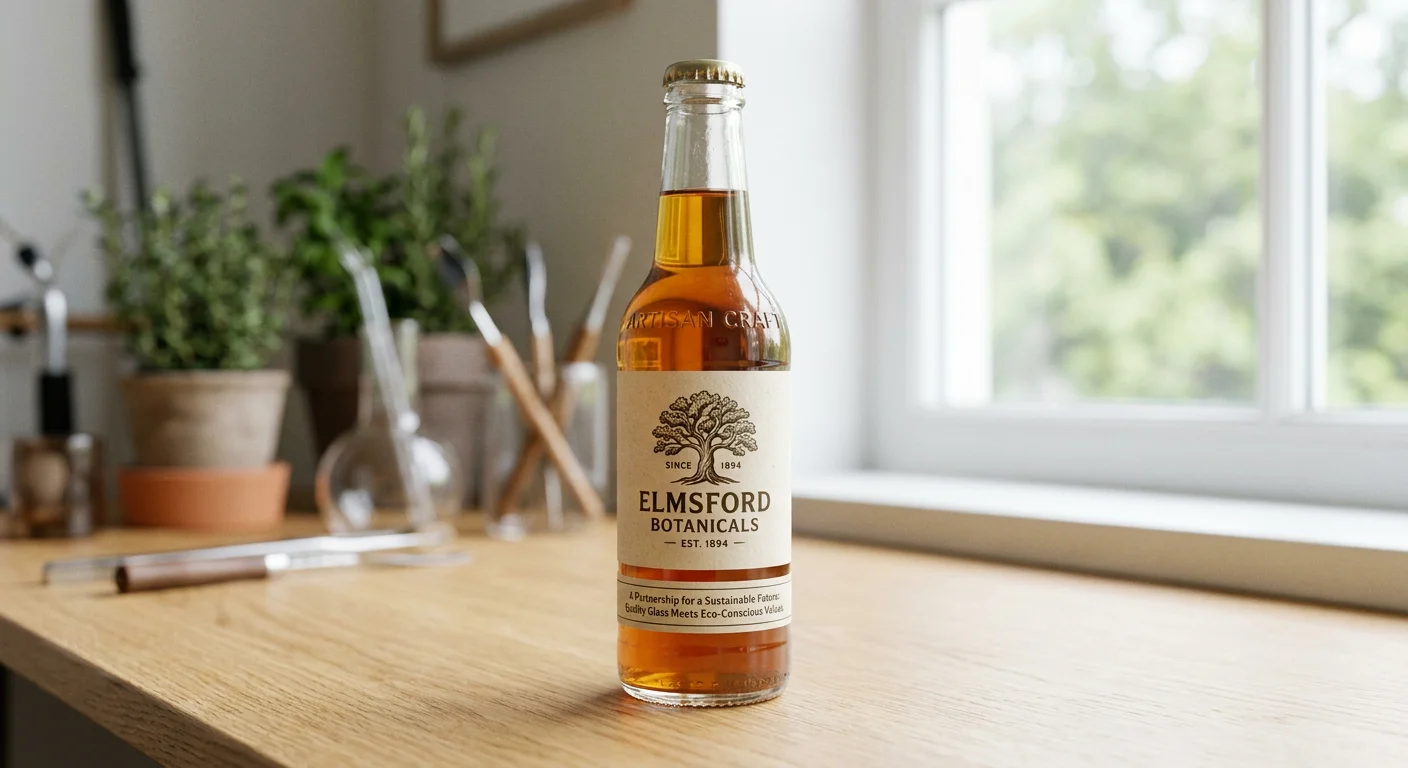
The history of glass soda bottles is a journey of innovation, functionality, and cultural significance—from their early mass-produced designs that revolutionized beverage distribution to their evolution alongside consumer preferences and industry demands. Today, modern packaging trends have breathed new life into glass soda bottles, with a renewed focus on sustainability, brand storytelling, and customization, as consumers and brands alike prioritize eco-friendly, visually distinctive packaging that stands out on shelves.
At TP Glass Bottle Manufacturer, we honor this rich history while embracing modern trends, leveraging our expertise in glass manufacturing to craft high-quality, durable glass soda bottles that meet the needs of today’s market. Reach out to us today to explore how we can support your glass soda bottle needs, blending tradition and innovation for standout results.