

Packaging is much more than just a way to protect products during shipping and storage. For modern businesses, it serves as a direct communication tool between a brand and its customers. Every choice—from materials and colors to shape and design—sends a message about what a brand stands for. In today’s competitive market, using packaging effectively can help businesses show their unique identity and connect with their target audience more authentically.
Defining Brand Personality in Packaging
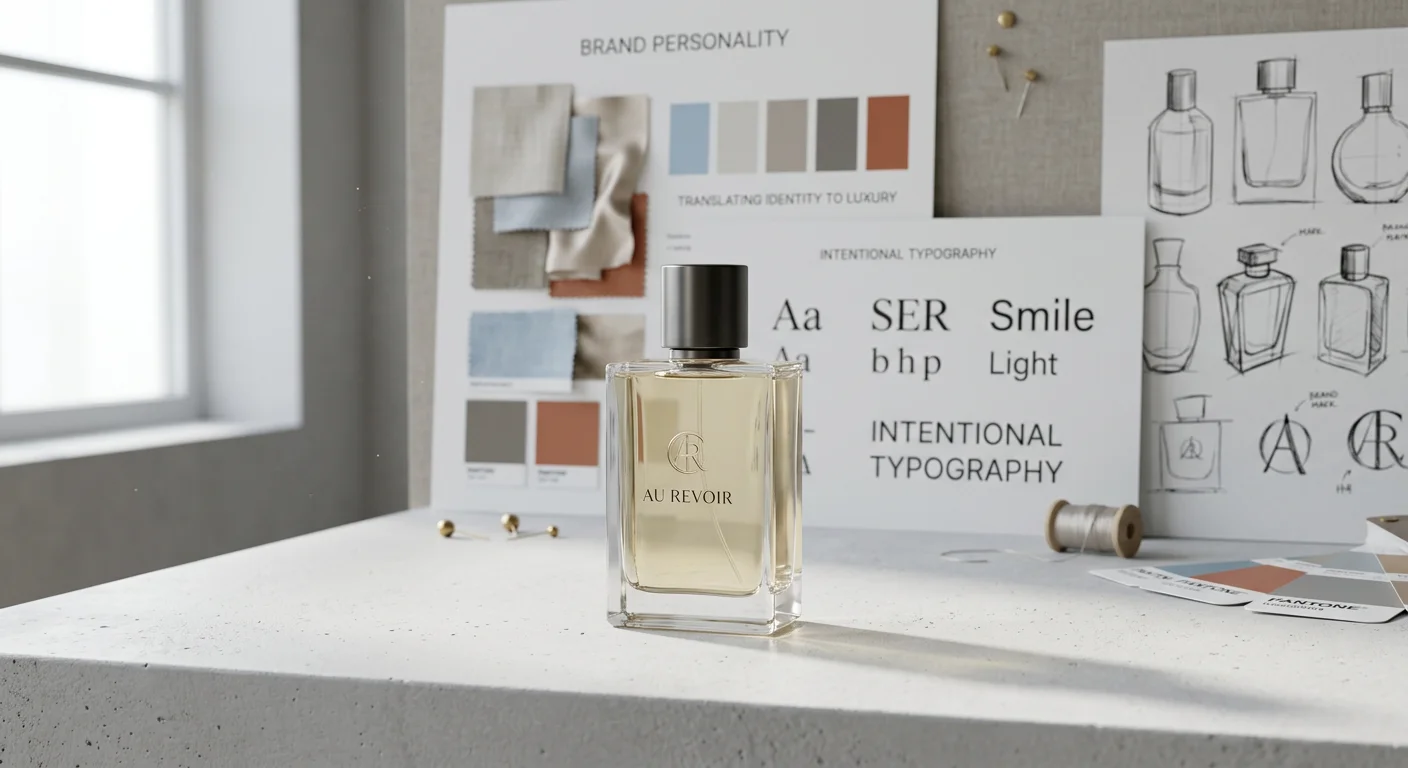
Brand personality isn’t a tagline. It’s the total impression every touchpoint leaves — and packaging is often the strongest one.
Think about what that means in practice. A customer sees your bottle before they read your product name. They spot your label before they ever find your Instagram. They form an opinion before they talk to anyone on your team. That first reaction comes from a bottle shape, a label texture, a color choice. Packaging is the handshake before the conversation even starts.
Right now, that handshake matters more than ever.
The personalized packaging market stands at USD 41 billion in 2025. It’s on track to reach USD 77.7 billion by 2035 — close to double in just ten years. That’s not a niche trend. It’s a major shift in how brands show who they are through the physical products they send out into the world.
What “Brand Personality” Really Means on a Shelf
Brand personality is the set of human traits your brand expresses — again and again, across every product and touchpoint. Sophisticated. Playful. Trustworthy. Bold. These aren’t abstract values. They’re design decisions, made visible through shape, color, and material.
Consider the data:
-
Over 50% of consumers prefer minimalistic two-color designs — clean, quiet confidence
-
~20% favor cartoon-style packaging — warmth, storytelling, approachability
-
48% of shoppers worldwide prefer packaging that tells a brand or origin story
That last number deserves attention. Close to half of all shoppers aren’t just buying a product. They’re choosing an identity. Your packaging either pulls them in or sends them somewhere else.
This shows up most clearly in cosmetics. At the point of sale, packaging does the heavy work — it tells shoppers both who the brand is and what the product does, all before a single word gets read. Strong visual and tactile choices trigger real emotions: trust, excitement, desire. Poor choices? They lose the sale before it starts, without a sound.
Glass packaging carries a built-in personality advantage over other materials. But the material alone doesn’t tell the whole story. What you do with it — the finish, the form, the label, the cap — that’s what shapes character.
Your packaging is never neutral. It’s always sending a message. The real question is: are you the one deciding what that message is?
Key Design Elements to Reflect Personality
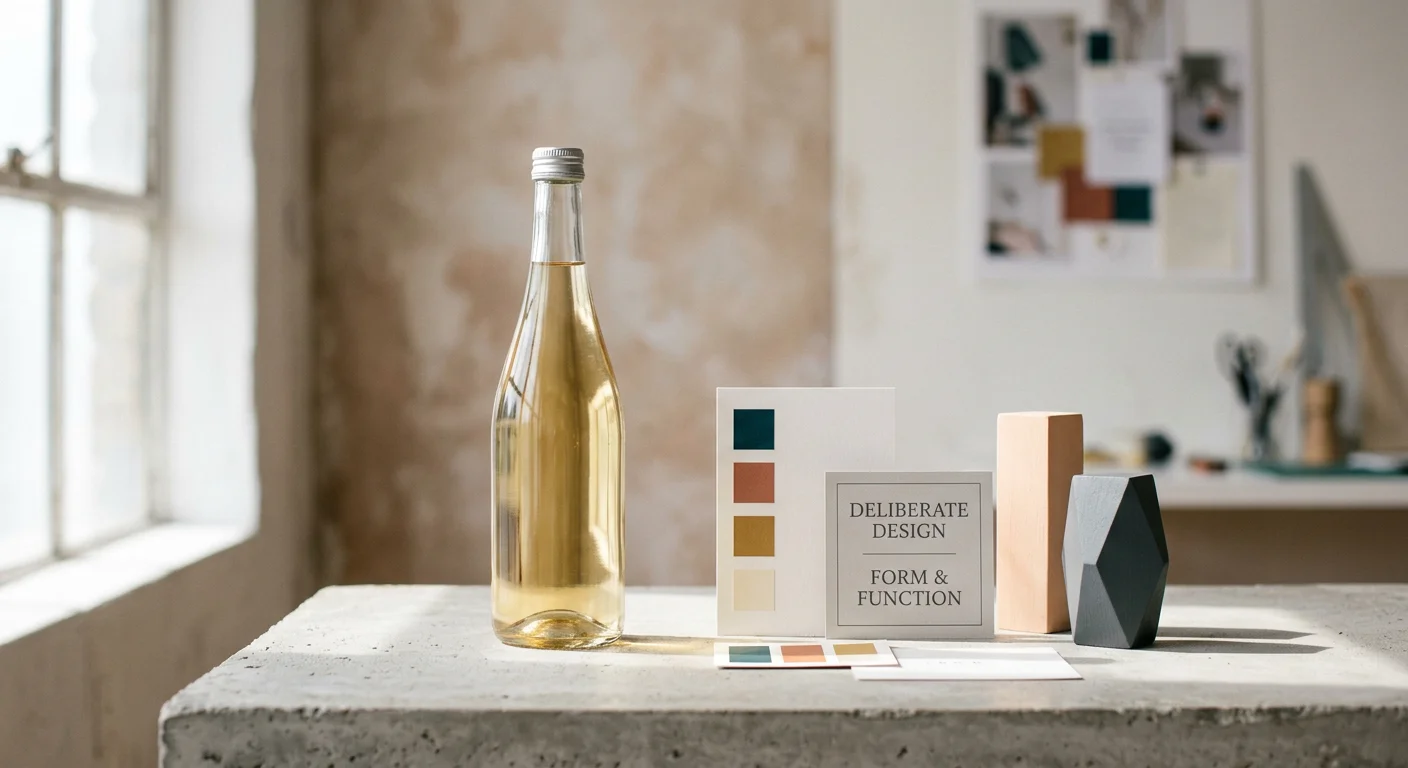
Design isn’t decoration. Every choice you make — color, shape, typography, finish — is a psychological signal. Your customers read those signals whether they realize it or not.
The science here is clearer than most brands expect. Research shows that personality traits — both the brand’s and the buyer’s — drive design preferences in ways that are measurable and predictable. See the pattern, and you stop guessing. You start designing with purpose.
Color: The Fastest Signal You Send
Color lands before anything else. It registers before a customer reads your product name, before they pick up the bottle, before they decide if they’re interested. That makes it your most powerful tool — and your easiest mistake.
Here’s what the research tells us: consumers with higher emotional sensitivity tend to prefer muted, softer color schemes. They respond to calm. To quiet confidence. To restraint. On the other side, bold and social consumers are drawn to vibrant, high-contrast palettes — the kind that feel energetic just sitting on a shelf.
What does this mean for glass packaging? Your bottle color, your label palette, and even the tint of the glass itself are all doing active persuasion work. A smoky amber glass sends a message that’s worlds apart from a clear flint bottle with a bright label. Neither is wrong. Both are choices — and both attract different people.
Match your palette to the personality you’ve defined. Then keep every element of the package in line with that choice.
Shape: The Silent Architecture of Personality
Shape is where things get more interesting — and more overlooked.
Studies on three-dimensional form show that different personality types are drawn to different shapes. Some respond to rounded, organic forms — soft edges that feel approachable and warm. Others prefer sharp geometry, strong lines, and structural precision. Those shapes feel authoritative. Dependable. Solid.
For brands using glass packaging, this distinction matters a great deal. Glass gives you real freedom in form. A cylindrical bottle feels clean and modern. A wide-shouldered jar feels substantial and generous. A tapered silhouette feels elegant and restrained. Each shape tells a different story before the label gets a single word across.
Smart brands treat shape as language. They pick a form that mirrors the feeling they want to create — then build everything else around it.
Typography: The Voice Behind the Visual
Color is the first impression. Shape is the posture. Typography is the voice.
Bold, dynamic letterforms signal energy, confidence, and modernity. They suit brands that are outgoing, adventurous, and direct. Consumers who respond to that energy are pulled toward it without thinking. Softer, refined typefaces — with careful spacing and restrained weight — signal sophistication, care, and precision. They earn a different kind of loyalty.
Brands with high creative ambition can gain a lot from typographic originality: custom letterforms, unexpected hierarchies, layouts that feel considered by hand rather than pulled from a template. That distinctiveness signals originality. And originality, done well, earns attention.
Symmetry and the Five Personality Dimensions
Symmetry is one of the quieter levers in packaging design — but it connects straight to how your brand personality lands with people.
Research links symmetry preferences to five core brand personality dimensions: sincerity, excitement, competence, sophistication, and ruggedness. A balanced, centered layout reads as competent and sincere. Asymmetry — deliberate, well-executed asymmetry — reads as exciting or edgy. Structured repetition signals reliability. Organic irregularity signals creativity.
On glass packaging, these visual principles show up in label placement, cap alignment, and embossing patterns. The small decisions carry real weight.
The takeaway is simple: design isn’t a collection of aesthetic preferences. It’s a system. Color, shape, typography, and symmetry work together to build one clear personality impression. Treat them as a team — not as separate choices — and your packaging starts to feel like a brand.
Examples
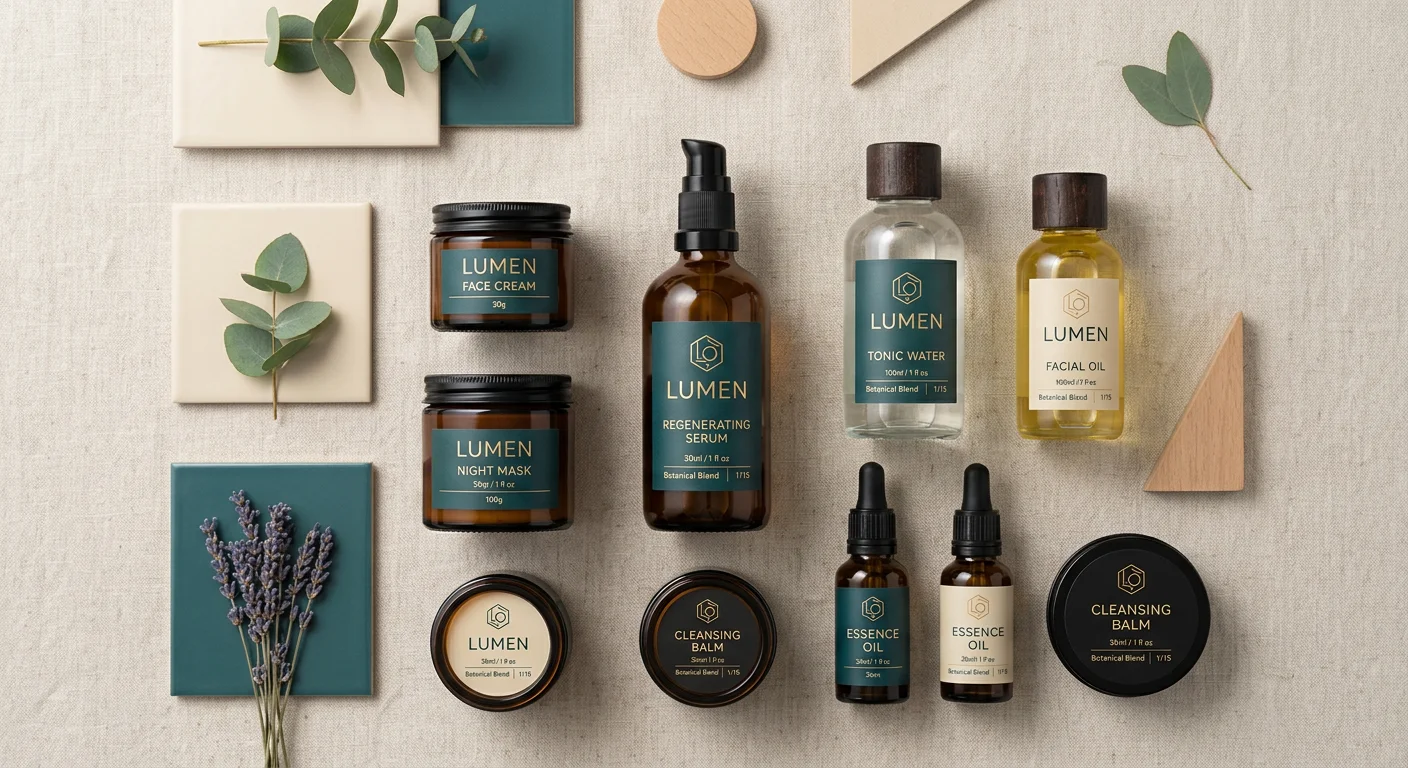
Brands that get packaging right don’t need the biggest budgets. They just know who they are — and they make sure the packaging says the same thing.
A few examples show this clearly.
Glass Packaging Done with Intention
The beauty industry gets this. Glossier built its whole look around restraint. Pink-tinted glass, minimal label copy, clean lines. The packaging doesn’t shout. It whispers — and that whisper still cuts through a crowded shelf, a bathroom counter, an Instagram grid. The “skin first” philosophy isn’t written on the bottle. It’s expressed by it.
Fenty Beauty goes the opposite direction. That’s the whole point. Bold fonts. High-contrast color. Visual energy that feels inclusive before you read a single product claim. The packaging says: everyone belongs here. That’s not copy. It’s a design decision made with conviction.
Neither brand is wrong. Both are clear. That clarity is the goal.
Personality Through Unexpected Details
Some brands don’t put their character in big visual gestures. They hide it in small, surprising places.
Snapple prints quirky facts under every bottle cap. Honest Tea tucks quotes beneath its lid. You don’t see either detail on the shelf. You find it after you’ve bought the product — so both brands use packaging to extend the relationship, not just start one. That’s a smart move. Most brands treat that space as dead space.
Oatly built its whole identity on hand-drawn illustrations and label copy that reads like a personal manifesto. The packaging talks to you. Not at you. The brand ends up feeling like a person you’d want to grab coffee with.
The Whole Package Is the Personality
Coca-Cola’s “Share a Coke” campaign swapped the logo for individual names. That one packaging decision drove a clear spike in emotional engagement. The bottle stopped being about a brand. It became about you. Personalization at scale — built through packaging alone.
Hippeas uses a smiling chickpea mascot and bold, high-energy colors to turn a bag of chickpea puffs into something that radiates fun. The snack category is packed. Hippeas doesn’t win on ingredients. It wins on personality — and the packaging is where that personality lives.
The pattern is the same across every example: the packaging isn’t separate from the brand. It is the brand, made physical and holdable. Get that relationship right, and every bottle, jar, or label turns into a conversation your customer is already glad to be part of.
Best Practices and Benefits
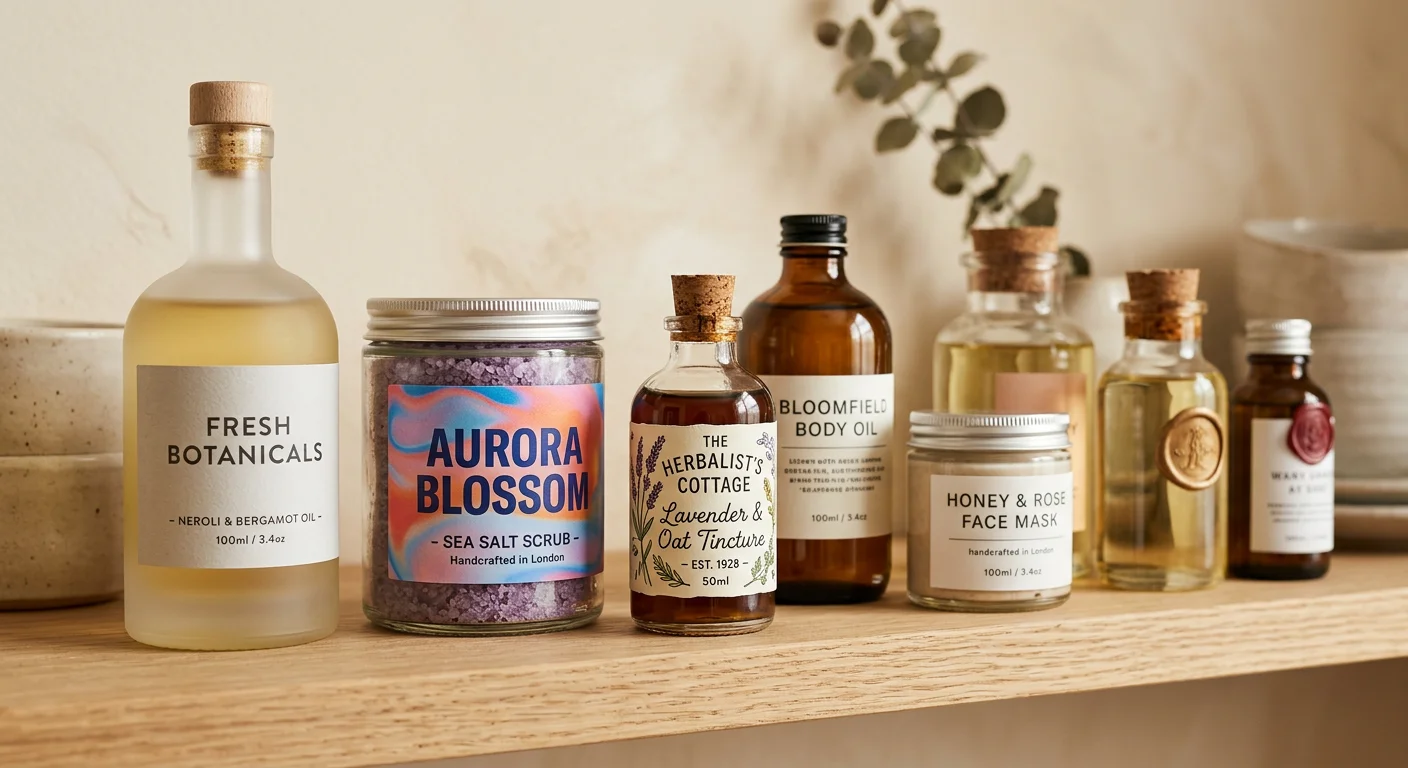
Packaging decisions add up. Make the right ones each time, and something powerful happens — customers start to recognize you before they even read your name.
That’s not luck. That’s strategy, done well.
Know Your Audience Before You Design Anything
Every principle in this article falls apart without one foundation: a clear picture of the person you’re designing for.
Not a vague demographic. A real human, with real preferences, real sensitivities, and a real reason to choose you over the ten other options sitting next to you on the shelf.
Know your audience well, and design decisions stop feeling random. You know why you’re choosing amber glass over clear. You know why your label runs clean and minimal instead of loud and layered. You know why the cap is matte instead of glossy. Each choice points back to someone specific. That’s what creates real connection.
Glass packaging rewards this kind of clear thinking. The material already signals quality and care. Your job is to build on that signal — not undercut it with design choices that don’t fit the person you’re trying to reach.
Consistency Is What Turns Recognition Into Trust
One great packaging decision doesn’t build a brand. Repetition does.
Your Glass Bottle, your secondary packaging, your unboxing experience, your label copy — all of it should feel like it came from the same place. The same values. The same voice. Line everything up, and customers don’t just recognize you. They trust you. And trust converts.
Inconsistency does the opposite. It introduces doubt. It makes a brand feel unfinished, even when the individual elements are beautiful.
The Real Business Case for Getting This Right
The benefits are real and practical. Strong, personality-driven packaging:
-
Differentiates you on a crowded shelf without a single word of sales copy
-
Drives emotional purchase decisions — customers buy what feels right, not just what looks functional
-
Builds loyalty that outlasts any promotion or price cut
-
Supports premium pricing — glass packaging lets brands hold their price point because perceived value is higher from the very first touch
There’s also a momentum effect worth noting. Brands that invest in sustainable glass packaging signal something important. It’s a growing consumer expectation, not just a trend. Shoppers who share those values don’t just buy once. They come back. They recommend. They become part of the brand story.
That’s what thoughtful packaging does at its best. It doesn’t just move product. It builds something that lasts.
Conclusion
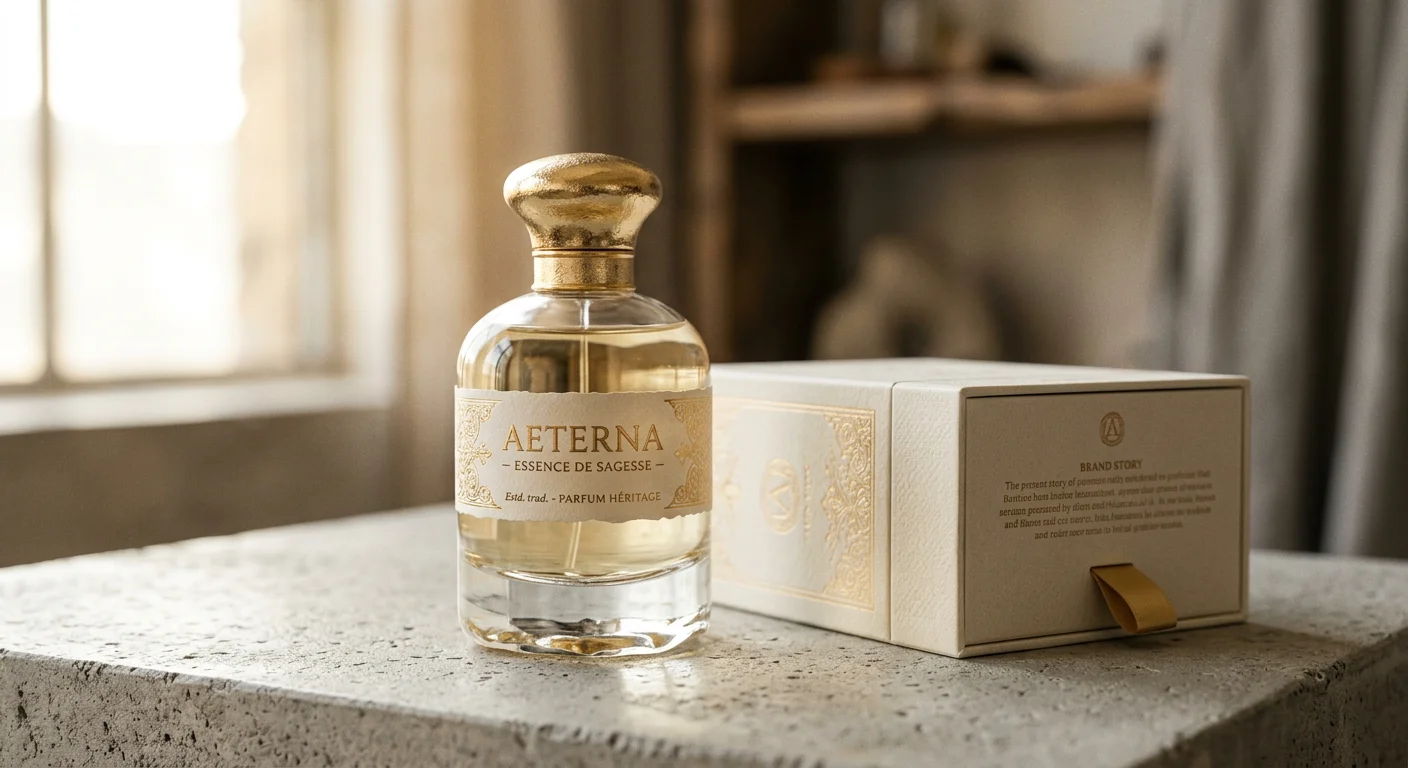
Glass packaging is a powerful tool to communicate your brand’s personality and values to customers. The right glass packaging choices help your brand stand out and build lasting connections with your audience. As a trusted TP Glass Bottle Manufacturer, we offer custom, high-quality glass packaging solutions to turn your brand vision into reality—let us help you create packaging that truly represents your brand.