

Mason jars are a versatile and widely used container, found in homes, small businesses, and industries for tasks ranging from food preservation and beverage storage to crafting and organization. While their simple, classic design makes them easy to recognize, Getting Mason Jar Specifications wrong costs you. Many users overlook these details, only to face issues like ill-fitting lids, incompatible accessories, or jars that don’t suit their intended use. This guide will break down the essential information about mason jar threads and dimensions, helping you make informed choices and get the most out of your mason jars.
Table of Contents
Mason Jar Thread Standards: Regular Mouth vs Wide Mouth Explained

Two thread standards govern every mason jar on the market. That’s it — just two. Understanding how they work makes sourcing decisions a lot simpler.
The Two Standards, Side by Side
Regular mouth jars use a 70mm thread finish (sometimes listed as 70-450 in industry specs). The inner opening measures 2.375 inches (60.3mm) in diameter. The thread pattern is a standard continuous thread. It seats a flat lid and screw band with a firm, secure fit — no over-torquing needed.
Wide mouth jars move up to an 86mm thread finish (86-450). Inner diameter runs about 3.0 inches (76.2mm) . Same thread style, bigger ring. You get larger lids, wider sealing surfaces, and easier fill access on automated lines.
A quick reference:
| Spec | Regular Mouth | Wide Mouth |
|---|---|---|
| Thread Finish | 70mm (70-450) | 86mm (86-450) |
| Inner Opening | ~2.375 in / 60.3mm | ~3.0 in / 76.2mm |
| Lid Diameter | 70mm flat lid | 86mm flat lid |
| Band Diameter | Standard band | Wide band |
Why These Standards Matter for Sourcing
Here’s the practical upside: both thread standards are universal across major brands . Ball, Kerr, Bernardin, and generic manufacturers all produce lids and bands built to the same 70mm and 86mm specs. A wide mouth lid from Ball fits a wide mouth jar from any compliant supplier. Same goes for regular mouth.
That interchangeability didn’t happen by chance. Manufacturers locked it into production norms decades ago. That’s a big part of why the mason jar market scaled so well. For buyers, it means lid and cap sourcing stays flexible even after you switch jar suppliers — so long as you stay within the same mouth standard.
One thing that doesn’t carry over: lids are not cross-compatible between the two standards . A 70mm band won’t seat on an 86mm finish. Your capping equipment is calibrated for one size. Switching mouth types means retooling — plan for that cost and downtime before you make the change.
Know your thread finish before you place an order. Everything downstream — lids, bands, filling equipment, torque settings — depends on getting that number right from the start.
Mason Jar Sizes Chart: Full Specifications from 4oz to 1 Gallon
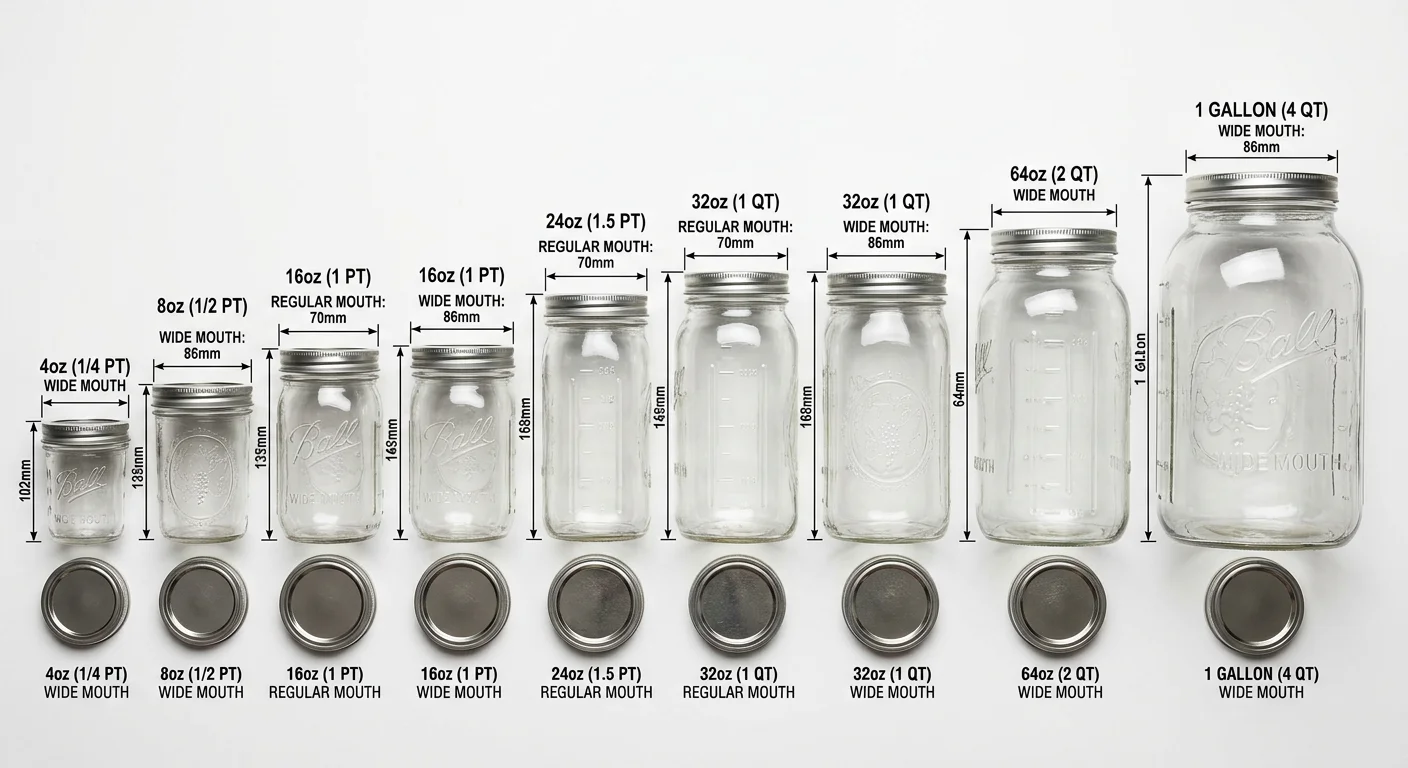
Five sizes cover most commercial mason jar needs. Below you’ll find dimensions, capacities, and real-world use cases — matched to application so you can make the right call fast.
Full Specifications by Size
| Size | Capacity (oz / ml) | Height | Outer Diameter | Mouth Type | Typical Applications |
|---|---|---|---|---|---|
| 4 oz | 4 oz / 118 ml | ~2.9 in / 73.7mm | ~2.5 in / 63.5mm | Regular or Wide | Spices, sample gifts, wedding favors, condiments |
| 8 oz | 8 oz / 237 ml | ~3.9 in / 99.1mm | ~3.0 in / 76.2mm | Regular or Wide | Jams, honey, sauces, candles |
| 16 oz (Pint) | 16 oz / 473 ml | ~4.9 in / 124.5mm | ~3.2 in / 81.3mm | Regular or Wide | Salsa, fermented foods, beverage retail |
| 32 oz (Quart) | 32 oz / 946 ml | ~6.9 in / 175.3mm | ~3.5 in / 88.9mm | Regular or Wide | Pickles, bulk storage, meal prep |
| 64 oz (Half Gallon) | 64 oz / 1,893 ml | ~9.4 in / 238.8mm | ~4.0 in / 101.6mm | Wide Mouth | Kombucha, large-batch ferments, dry goods |
| 128 oz (1 Gallon) | 128 oz / 3,785 ml | ~10.5 in / 266.7mm | ~5.7 in / 144.8mm | Wide Mouth | Commercial storage, restaurant bulk use |
These dimensions follow standard production tolerances. Confirm exact specs with your supplier before locking in tooling or fill-line settings.
Reading the Numbers: What Each Size Is For
4 oz is the smallest production-standard size. It works hard for sample programs and branded gifting. The footprint is small, material cost is low, and it fills easily on semi-automated lines. Spice brands and artisan food producers rely on it a lot.
8 oz is the top-volume SKU across food retail. The proportions suit single-serve and small-batch products well. Think jam, honey, nut butter, body scrubs. A product that needs a premium look in a compact format — 8 oz is where most buyers end up.
16 oz (pint) adds capacity without much extra shelf height. Fermented product lines — kimchi, sauerkraut, hot sauce — tend to cluster here. Candle brands also use it. You get a solid visual presence on shelf without committing to a full quart of wax.
32 oz (quart) is the go-to for bulk condiments and preserved vegetables. Pickle operations run huge volumes at this size. Meal prep brands and private label buyers also favor it — especially when reseal value matters to the end customer.
64 oz (half gallon) is the point where wide mouth stops being optional. You’re filling with chunky product, large whole vegetables, or bulk dry goods. Kombucha producers favor this size. The wide opening makes SCOBY handling straightforward.
1 gallon sits at the top of the range. It’s built for commercial storage and foodservice — restaurants, prep kitchens, and institutional buyers who need high-volume, resealable glass with the standard mason jar thread.
A Note on Height-to-Diameter Ratios
Taller jars with narrower diameters — like the 32 oz regular mouth — stack well and scan cleanly in retail planograms. Shorter, wider profiles — common in the 8 oz wide mouth — photograph better and feel more premium on a direct-to-consumer shelf.
Your end use matters here. Display or e-commerce imagery? Factor that height-to-diameter ratio into your spec decision before you finalize. It’s a small detail that can affect shelf performance and photography results in a big way.
Regular Mouth Mason Jar Dimensions
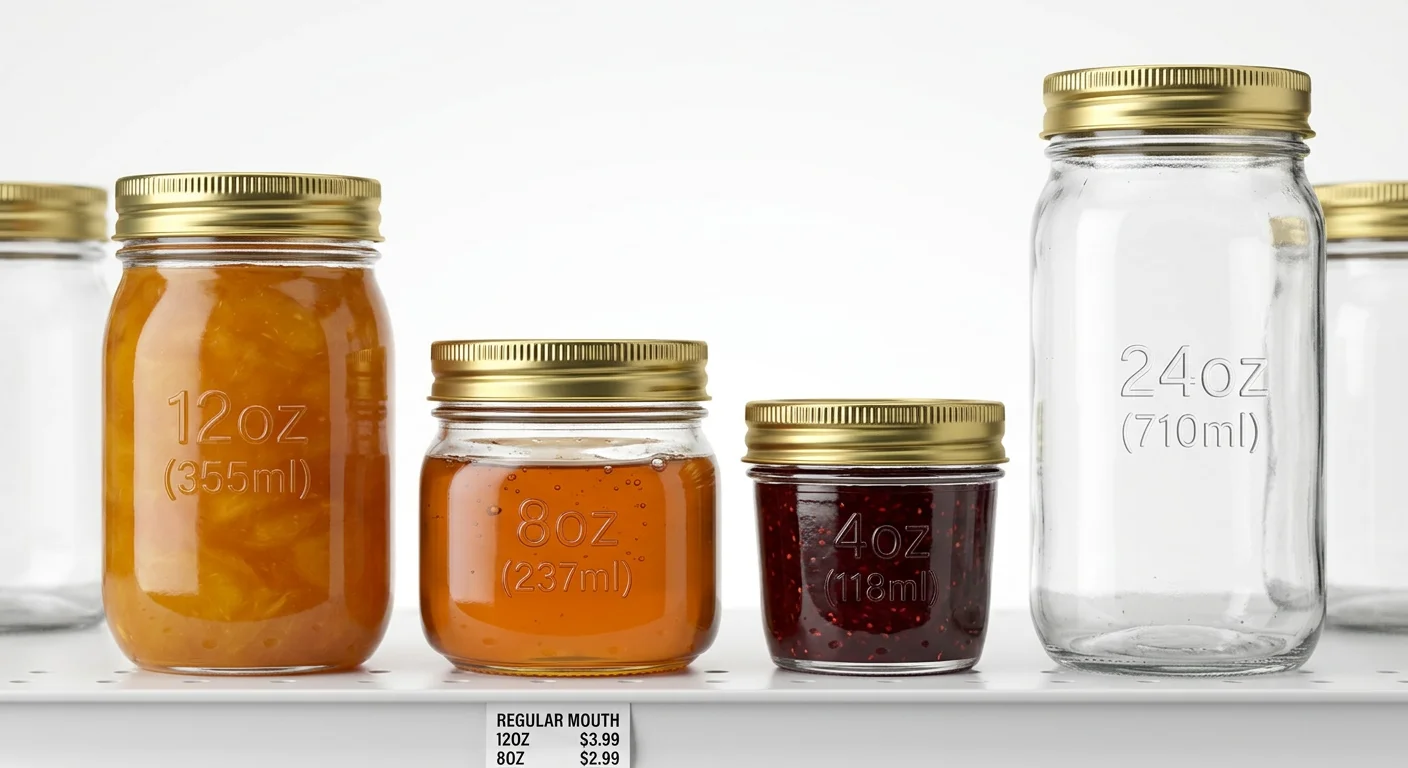
The 70mm thread finish is the workhorse of the mason jar world. Regular mouth jars make up the majority of commercial glass packaging across food retail — and there’s a clear reason for that. The narrower opening controls product flow, cuts down on oxidation, and keeps fill-line operations clean on standard bottling equipment.
Jams and fruit preserves are the classic regular mouth fit. The narrow opening slows the pour rate. Customers prefer that at the breakfast table — no messy globs, just a clean spread. It also cuts surface exposure during open storage, which helps shelf life.
Spice and seasoning brands rely on the 4 oz and 8 oz regular mouth sizes. The opening diameter works well with shake-dispensing inserts. Plus, the proportions photograph cleanly in flat-lay product shoots. That’s a real advantage for direct-to-consumer sales where presentation drives clicks.
Bottled sauces and condiments — hot sauce, vinaigrette, infused oils — get clear pour control from the regular mouth design. The 16 oz pint size hits the volume sweet spot for retail shelf placement. It gives customers enough product without overshooting what they expect from a single purchase.
Candle producers run regular mouth jars at volume, with the 8 oz and 16 oz formats being the most common. The narrower opening slows air exposure to the melt pool. It also gives the finished product a cleaner, more polished look on a retail shelf — which counts when you’re competing for attention at eye level.
Your product is pourable, spoonable, or needs a tight oxygen seal? Regular mouth is your format. The 70mm thread finish keeps lid sourcing straightforward and your capping equipment running steady across every size in the range.
Wide Mouth Mason Jar Dimensions
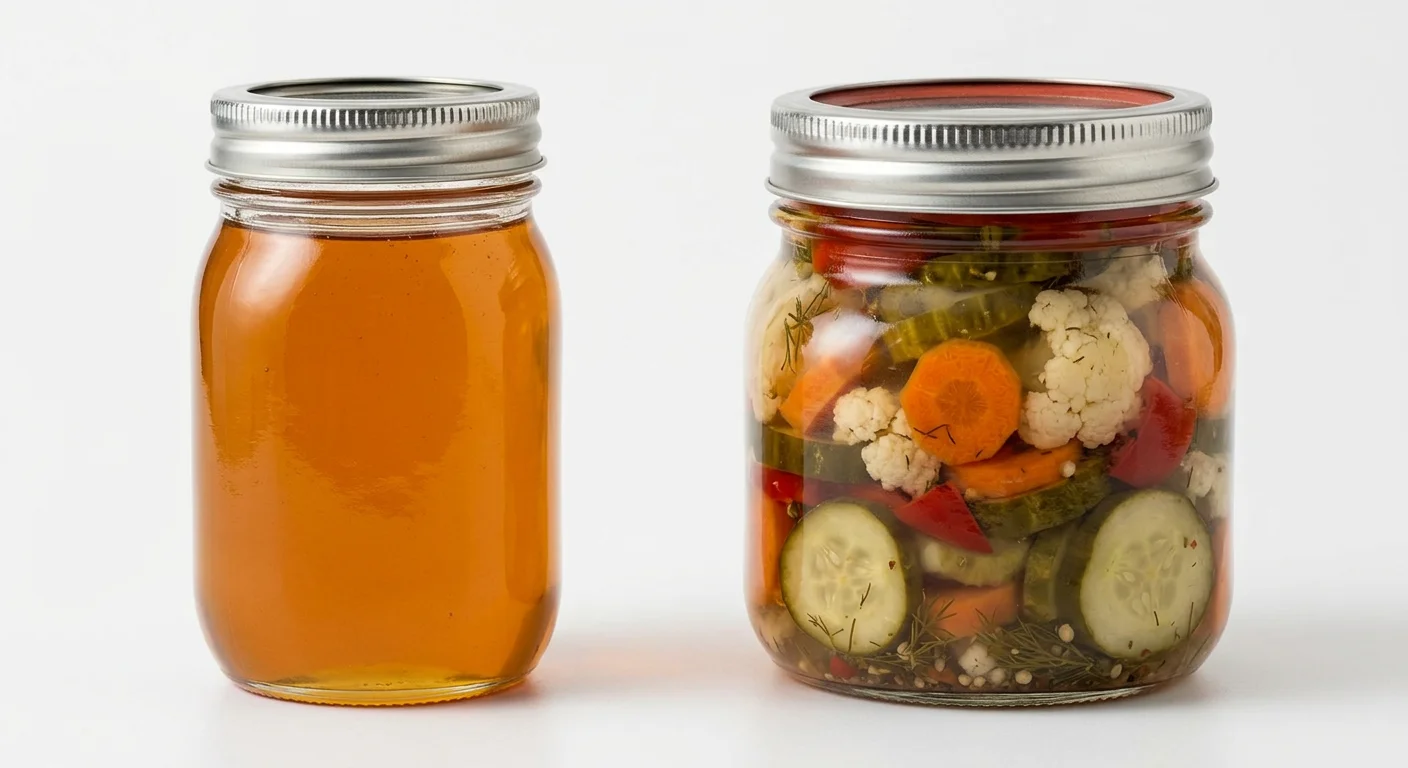
Wide mouth jars don’t exist to be more convenient. They exist because certain products make the regular mouth format impossible to use.
Whole peaches won’t fit through a 60.3mm opening. A SCOBY won’t either. Neither will a full cabbage leaf, a cluster of pickled jalapeños, or a ladle of chunky salsa on a fast fill run. The 86mm thread finish — the standard behind every wide mouth mason jar — was built to solve those problems.
Where Wide Mouth Is the Only Real Option
Whole-fruit and whole-vegetable canning is the clearest case. You need full pieces in the jar — no crushing, no trimming. The 86mm opening handles that on both manual pack lines and automated fill equipment.
Fermentation operations — kombucha brewing, kimchi, lacto-fermented vegetables — need frequent access throughout the process. Stirring, pressing, and culture handling all go through the jar opening. A wider mouth isn’t a preference here. It’s a basic workflow need.
Bulk dry goods storage falls into this category too. Think coffee beans, grains, and dehydrated foods — products where scooping is part of daily use. The wide mouth lets a standard scoop go in and come out without spilling or scraping. A narrow finish can’t do that cleanly.
Chunky sauces and thick condiments that don’t pour well fill faster through the wide mouth format. You get quicker fill cycles, less product loss on the line, and cleaner pack weights. All of that adds up on a busy production run.
The logic is straightforward. Solid product? Chunky texture? Hands-in access? Fast fill throughput? Wide mouth is the spec to start with.
How to Choose the Right Mason Jar Size for Your Application
Four parameters. That’s all a sourcing decision comes down to — capacity, mouth type, glass grade, and whether you need custom branding. Get those four right, and the rest of the spec sheet falls into place.
Here’s how to work through each one.
Start With Capacity, Then Mouth Type
Capacity is your anchor. It sets your fill cost, shelf footprint, and end-customer price point — all at once. The sequence below works for most buyers:
- 4 oz — Sample programs, spice retail, branded gifting. Low per-unit material cost, easy to move in e-commerce bundles.
- 8 oz — The default SKU for jam, honey, and personal care. Strong retail presence, clean proportions, fast reorder rates.
- 16 oz (pint) — Fermented foods, hot sauce, candles. Enough volume to feel solid without crossing into bulk territory.
- 32 oz (quart) — Pickles, preserved vegetables, meal prep. Your customers are buying for value and reuse — the quart signals both.
- 64 oz (half gallon) and 1 gallon — Kombucha, bulk dry goods, foodservice. Wide mouth is the only option at this scale. No real alternative exists.
Lock in capacity first. Then mouth type becomes straightforward. Pourable or spoonable product — go regular mouth (70mm). Whole pieces, thick fills, or anything needing hands-in access — wide mouth (86mm). The thread standard drives your lid spec and capping setup. Make that call early so nothing downstream gets complicated.
Glass Grade Is the Detail Most Buyers Miss
Not all mason jars are built to the same wall thickness or annealing standard. For retail or gift use, standard commercial grade works fine. For hot-fill production lines, pressure processing, or premium private label positioning, you need heavier glass with tighter tolerance control. Get wall thickness data and load-bearing test results from your supplier before committing to a production run.
Custom Options Worth Asking About
Standard stock jars have limits for a branded product line. tpglassbottle.com offers custom mason jars with silk-screen logo printing and non-standard mouth finish options. These are useful when you need differentiation that goes beyond the label. MOQs are negotiable depending on configuration. Samples are available before full production commitment, so you can review quality before placing a large order.
The spec questions are straightforward once you know what to ask. Contact the team for a quote — or browse the full mason jar catalog to compare sizes against your application requirements.
Conclusion
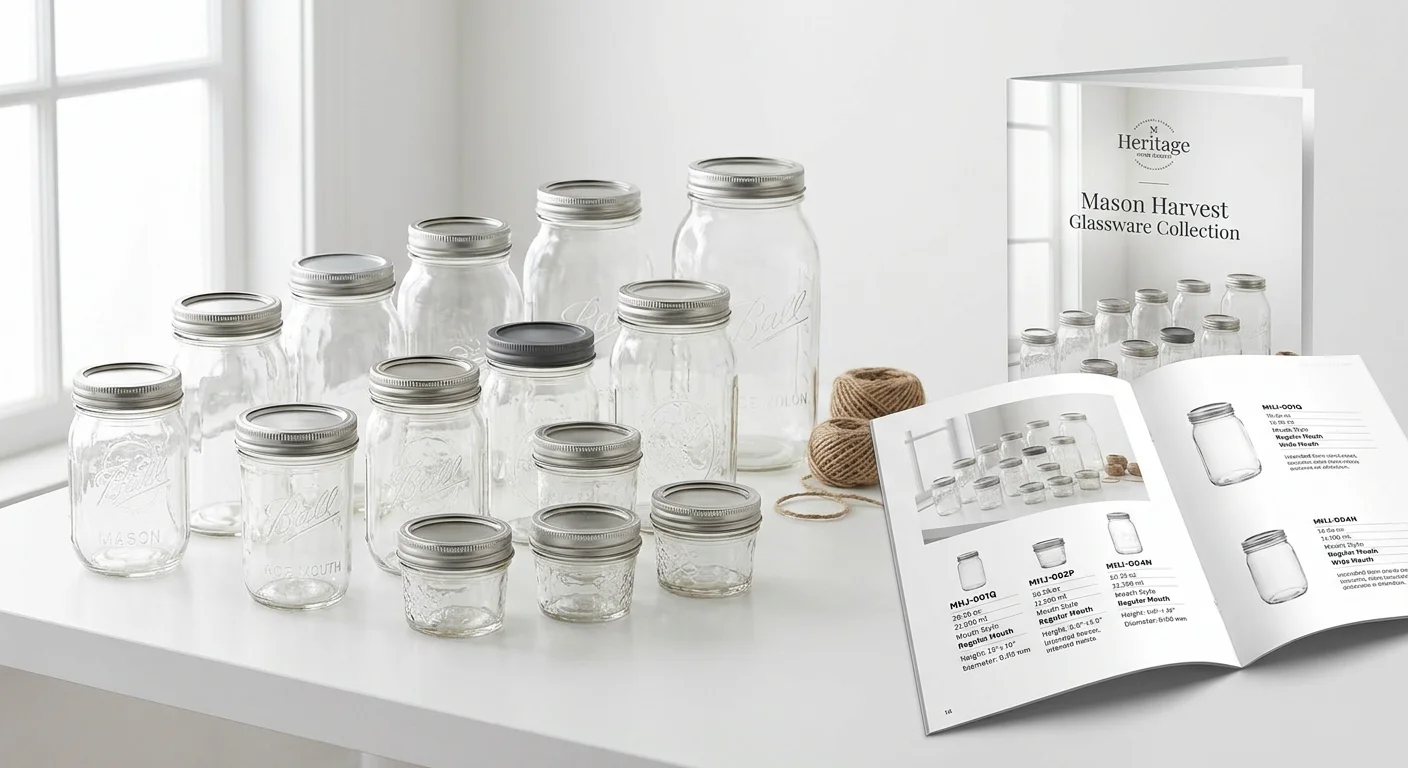
Sourcing regular mouth jars for a jam production line? Or spec’ing out wide mouth mason jar dimensions for a cold-brew packaging run? Either way, two things decide whether procurement goes smoothly or ends in a mismatch: thread standard and opening diameter. Nail those two, and the rest — capacity, height, lid compatibility — lines up on its own.
At TP Glass Bottle Manufacturer , we specialize in producing high-quality Mason jars that strictly adhere to standard specifications, while also offering custom solutions to meet your unique requirements. Our jars feature precise thread cutting for a secure seal, consistent dimensions for universal lid compatibility, and durable glass construction built to last. Contact us today to explore our full range of Mason jar products and let us help you find the perfect specification solution for your needs.