

When choosing a bottle closure, the main options fall into three categories: caps, corks, and lids. Each type serves the same basic purpose—sealing the bottle to protect its contents—but they differ in material, design, and application. Understanding these differences helps you select the right closure for your product, whether it’s a beverage, oil, sauce, or cosmetic.
Table of Contents
What Are Bottle Closures?
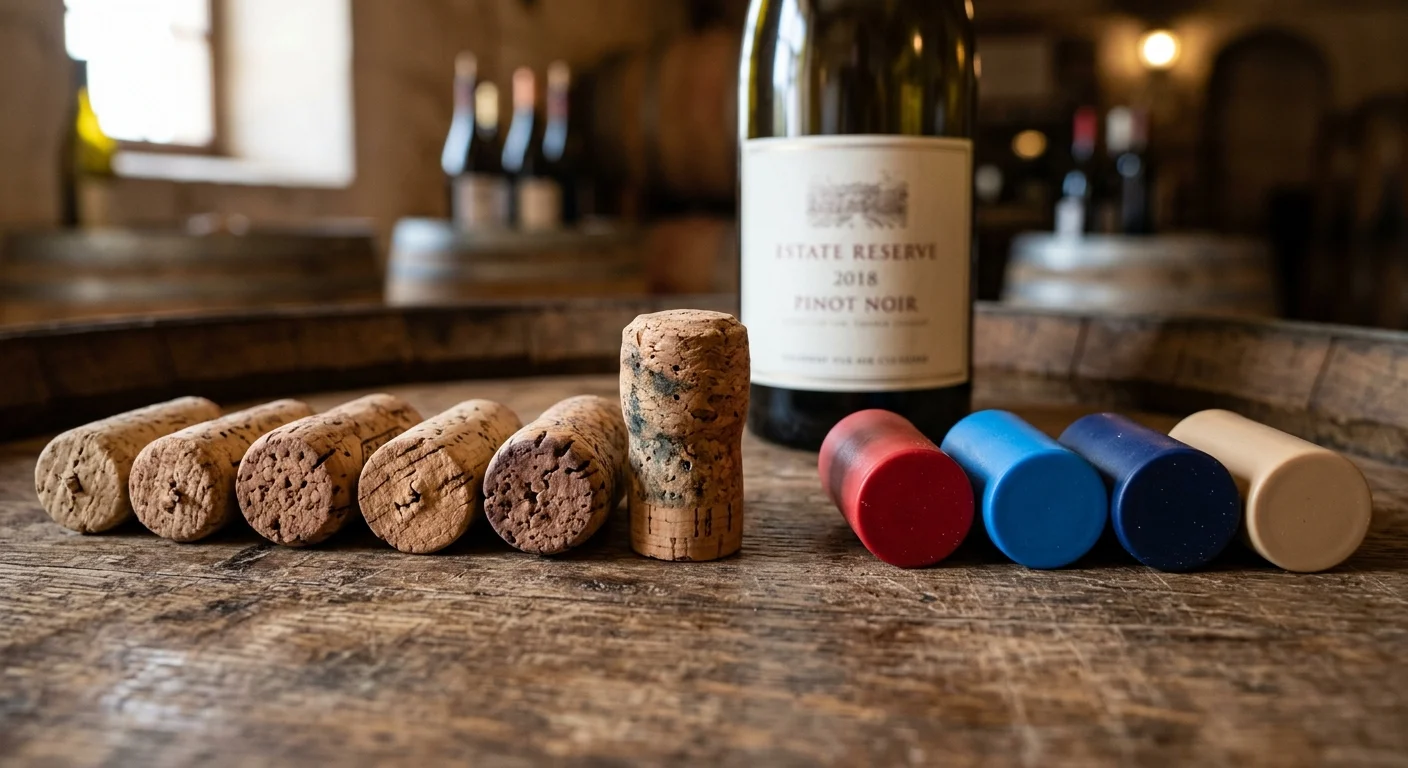
A bottle closure is any mechanism that seals a bottle’s opening — but the industry doesn’t keep it that simple.
The term covers three distinct categories. People mix them up all the time, and that causes real problems:
- Caps — threaded or snap-fit closures, plastic or metal, applied by machine at scale
- Corks — natural or synthetic stoppers pressed into the neck, most common in wine and spirits
- Lids — broader, surface-fitting covers used in food, cosmetics, and pharmaceutical packaging
Most buyers underestimate how much this distinction matters. In regulated industries — pharmaceuticals, nutraceuticals, food — your closure choice affects compliance first. Aesthetics come second. In premium beverages or cosmetics, the closure shapes brand perception before a customer reads a single word on the label.
So the stakes are higher than they look.
Every bottle closure, across all three categories, needs to do three things well: airtight sealing, regulatory conformity, and consumer-facing brand identity. None of these are optional.
Natural Cork Stoppers: The Traditional Choice for Wine & Spirits

Natural cork comes from the bark of Quercus suber — the cork oak tree. Workers harvest it by hand every nine years in the forests of Portugal and Spain. It’s one of the oldest packaging materials still in active use, and for good reason.
The science behind it is elegant. Cork has tiny, interconnected pores throughout its structure. A small amount of oxygen passes through the stopper as bottled wine ages. This lets tannins soften and rich aromatics develop over time. No other closure replicates this process quite the same way. It’s why serious winemakers — the ones with something at stake — still reach for natural cork.
Where it works best:
– Aged red wines and vintage whites
– Premium spirits intended for long-term cellaring
– High-end olive oils and craft vinegars
What to know before you buy:
Cork stoppers come in quality grades — from premium single-piece natural corks down to agglomerated or colmated grades. The difference shows up in both performance and price. Budget $0.10–$0.50 per unit at bulk volume, depending on grade, diameter, and length.
One real consideration: TCA contamination (“cork taint”) is a low but real risk with natural cork. It doesn’t happen often, but it does happen. For high-volume production where consistency matters, factor this into your closure decision before you commit.
Synthetic Cork Stoppers: Consistency Without the Taint Risk
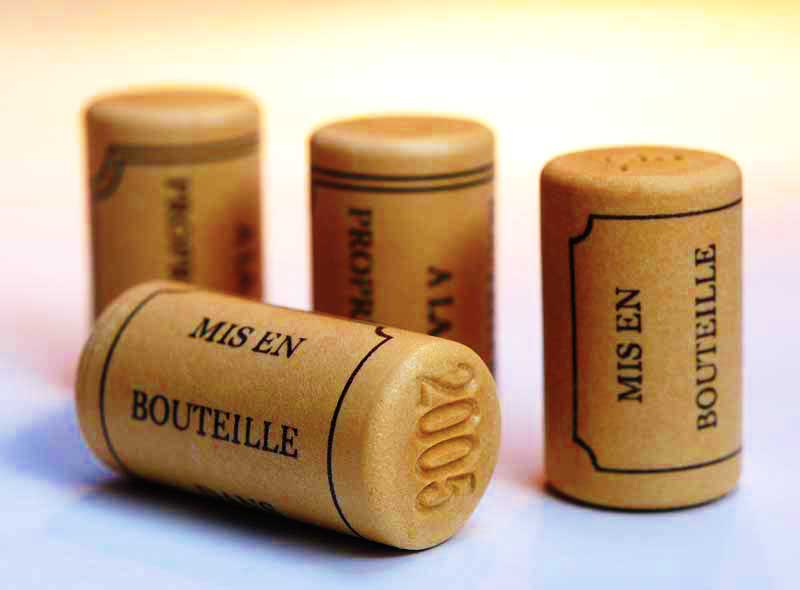
Synthetic corks solve a specific problem — and they solve it well.
These stoppers are made from LDPE, HDPE, or EVA foam. They deliver one thing natural cork can’t guarantee: uniformity. Every unit seals the same way. No batch variation. No TCA contamination risk. For mid-volume producers who need predictability at scale, that’s a big deal.
The trade-off is real, though. Synthetic corks don’t breathe like natural cork does. That makes them a poor fit for wines that need extended aging. Where they shine:
- Fortified wines — port, sherry, and similar styles that don’t need long-term micro-oxygenation
- Sodas and carbonated beverages — tight seal, reliable every time
- Entry- to mid-range wines — where consistency matters more than romance
On cost, synthetic sits in the middle range — higher than agglomerated cork, but lower than premium natural grades. Recyclability varies by material and region. Check certifications if sustainability is part of your brand story.
Screw Caps (Metal & Plastic): Airtight Sealing for Mass-Market Efficiency

Screw caps don’t have a romantic origin story. They were built to solve a problem — and they do it well.
The screw cap closure is the workhorse of modern packaging. Reliable, fast to apply, cost-effective at scale. For high-volume producers across beverages, condiments, and personal care, it’s often the obvious answer.
Metal vs. Plastic — the distinction matters:
Metal screw caps (aluminum or steel) are the standard for wine, spirits, and beer. What separates a good metal closure from a poor one is the liner inside. Three common options:
- Saranex — flexible, moisture-resistant, common in wine
- Tin foil — firm seal, standard in spirits
- PVDC — high-barrier liner, the go-to choice when oxygen ingress is a real concern
The liner you pick has a direct impact on shelf life and flavor. Specify it upfront. Don’t leave it to default.
Plastic screw caps fit a different product tier — water bottles, sauces, cosmetics, household liquids. They’re lighter, cheaper, and easy to color-match to your branding.
On cost, the gap is clear: $0.01–$0.05 per unit at volume. That makes screw caps one of the most affordable glass bottle closures on the market. For mass-market SKUs where margins are tight, those numbers are hard to ignore.
Crown Caps: The High-Speed Solution for Beer & Carbonated Beverages
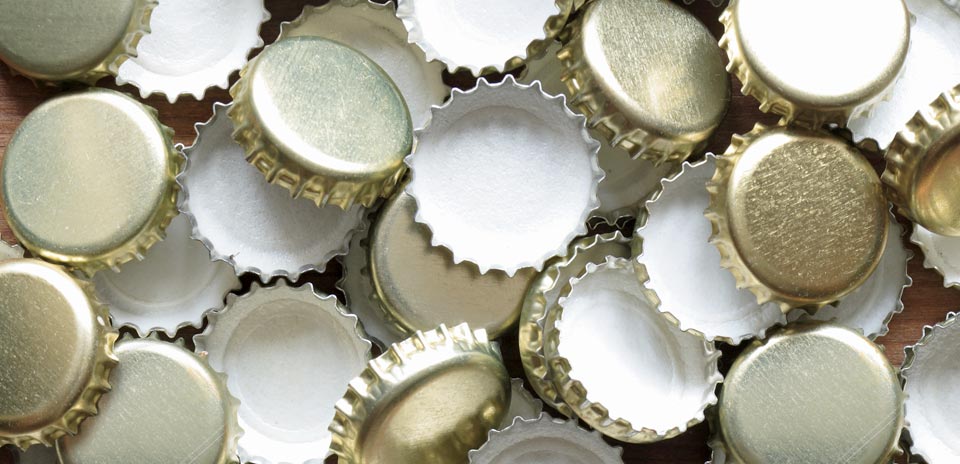
There’s something satisfying about a crown cap — that sharp little pop when it opens, held on by nothing more than crimped metal and physics.
The design is simple. A corrugated steel disc sits on the bottle’s lip with a thin liner pressed against it. That liner — PVC or EPE foam — creates the seal. Together, they hold carbonation pressure up to 6 bar. That’s exactly what beer and sparkling beverages need.
Two standard sizes cover most production needs: 26mm (the global beer standard) and 29mm (common in certain regional markets and returnable bottle formats).
Cost is one of the biggest wins here. Crown caps often run under $0.01 per unit at volume. They’re built for speed too — running on automated crowning lines at thousands of bottles per hour without a hitch.
Customization breaks down by segment:
- Industrial brewers focus on line speed and cost uniformity — standard specs, no extras
- Craft brewers treat printed or embossed crown caps as a branding tool — a small detail that punches well above its weight on the shelf
Bottling carbonated beverages at any scale? Crown caps are hard to beat.
Swing Top / Flip-Top Closures: Reusability Meets Vintage Appeal
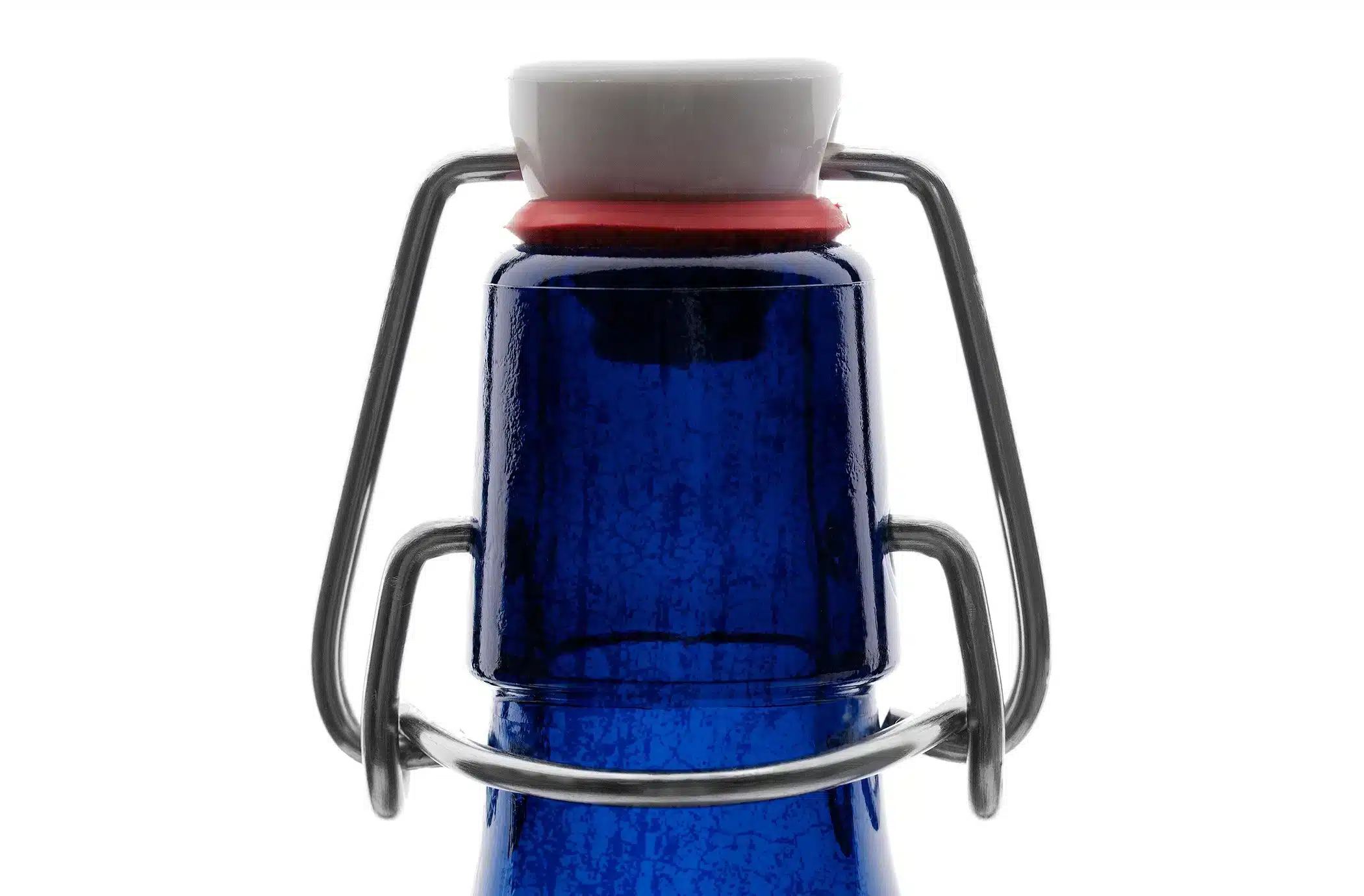
Step into any bottle shop and you’ll spot them straight away — flip-top bottles with the wire bail locked down. They look like they belong in a 19th-century apothecary. Yet they feel just as at home in a Brooklyn craft brewery.
The mechanics are simple. A wire bail clamps a ceramic or rubber stopper tight against the bottle’s mouth. Press it open, press it shut. That compression seal keeps carbonation locked in, and the stopper holds up for 50–100 reuse cycles under normal conditions.
That reusability is the real selling point — not just for sustainability, but for brand storytelling.
Where swing tops shine:
– Craft beer and kombucha
– Specialty sodas and home brewing
– DTC brands where the unboxing moment is part of the product
For premium craft producers, the closure itself becomes a brand signal. It’s tactile and nostalgic. Shoppers recognize it on the shelf without a second look.
Bar Top Closures: Where Function Meets Premium Spirits Branding
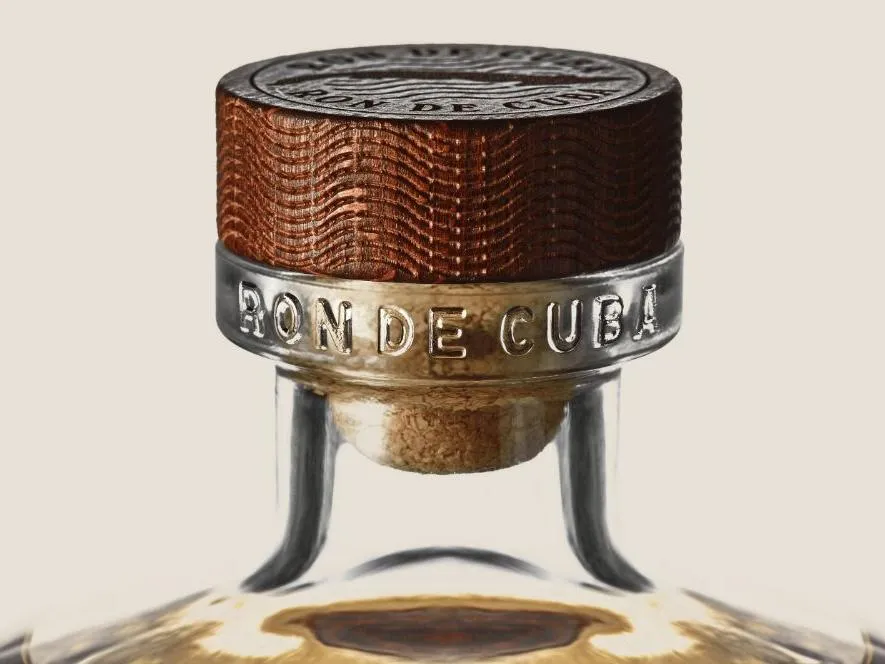
Pull a bottle of good whiskey off the shelf. Often, the first thing you touch isn’t glass — it’s wood. That smooth, weighted topper sitting above the cork is a bar top closure. It tells you something about the liquid inside before you’ve even opened it.
The build is a two-part system. A natural or synthetic cork body does the actual sealing work. Paired with it is a decorative topper made from wood, metal, or plastic. The cork handles function. The topper handles everything else.
Material signals matter more than most people expect:
- Wood toppers — walnut, bamboo, or oak — say craft and heritage. They’re the go-to choice for aged spirits, artisan olive oils, and small-batch vinegars where a handmade feel is part of the story
- Metal toppers (zinc alloy or stainless steel) add weight and a formal edge — a strong move for luxury spirits that need to stand out on the shelf
- Plastic toppers give you flexibility in color and shape, keeping costs low without losing the premium look the format delivers
Resealing is solid for products you drink over multiple sessions. A well-fitted bar top cork holds a good seal between pours. That said, it’s not built for long-term aging the way a flush-driven wine cork is. Its real strength is the ritual — the first open, and every open after that.
For spirits brands, this closure earns its premium price point. It’s not just packaging — it’s the handshake.
Glass Stoppers (Vino-Seal): Premium Aesthetics with Airtight Performance
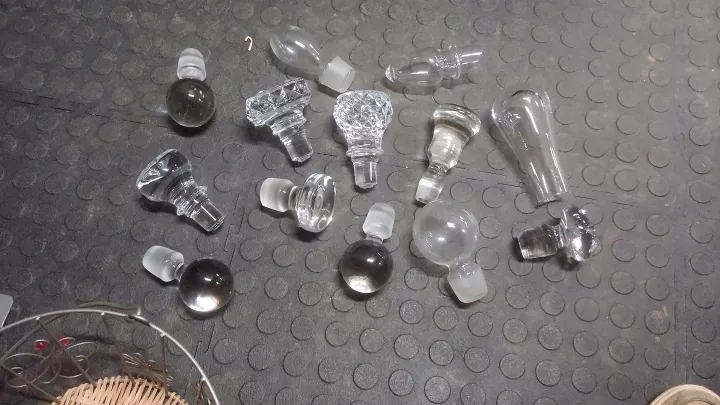
Glass sealing glass — there’s a certain logic to it that feels almost inevitable.
The Vino-Seal (also called a T-cork glass stopper) has a finely ground glass body with a small silicone O-ring fitted to it. That O-ring does the real work. It presses against the inner neck of the bottle and forms a tight seal. Oxygen stays out. No porous material needed.
The result? No cork taint. No variation between bottles. You get a clean, consistent seal every single time.
It’s taken hold in Europe’s premium wine and spirits market — especially in Germany and Austria, where glass stoppers now show up on a solid portion of high-end bottles. Luxury fragrance and cosmetic brands have moved in the same direction, drawn by the same mix of visual appeal and precise function.
Where it fits:
– Premium wines and aged spirits
– High-end perfume and apothecary bottles
– Brands where the closure is part of the visual identity
The cost runs higher than cork or screw cap. For the right product, it’s worth every cent.
Specialty Closures: Dropper Caps, Pump Tops
Some closures are built around one job, done right. Dropper caps and pump tops are exactly those kinds of closures.
Dropper caps are the go-to choice for essential oils, CBD tinctures, and pharmaceutical liquids. Dosage control isn’t optional in these categories — it’s required. The glass pipette delivers 0.5ml or 1ml per draw, based on bulb size and tube length. In regulated industries, that level of precision is a compliance requirement, not a bonus feature. Pair a dropper cap with an amber or cobalt glass bottle and you solve light sensitivity at the same time.
Pump tops work on a different priority: consistent output, cycle after cycle. A properly matched pump closure delivers 0.5ml–2ml per stroke, matched to your product’s viscosity. Lotions, serums, liquid soaps — the amount stays the same from the first press to the last. That consistency matters for both user experience and product integrity.
A few things to check on pump specs:
– Lockdown mechanism — needed for international shipping. Leakage in transit is a real risk, and a pump with a locking head eliminates it.
– Stroke volume — match it to your formula’s thickness so the output feels right to the end user.
– Cycle durability — confirm the pump is rated for the full life of the product, not just a few dozen uses.
For cosmetic and pharmaceutical buyers, run compatibility testing against your specific formula before full production. Both closure types can interact with certain ingredients, and catching that early saves you from a costly rework later.
How to Choose the Right Glass Bottle Closure: A B2B Decision Framework
Every closure decision comes down to four questions. Answer them straight, and the right choice becomes clear.
1. What’s inside the bottle?
Carbonated products need a pressure-rated seal — crown caps or swing tops. Wines and spirits going through long aging need micro-oxygenation — that means natural cork. Precise-dose liquids like tinctures or serums need a dropper or pump. Start here. Aesthetics come later.
2. Airtight or breathable?
This is the core question. Everything else follows from it.
| Sealing Type | Best For | Closure Options |
|---|---|---|
| Airtight | Spirits, carbonated drinks, cosmetics | Screw cap, crown cap, glass stopper |
| Micro-oxygenation | Aged wine, premium olive oil | Natural cork, bar top cork |
| Controlled dispensing | Pharmaceuticals, CBD, skincare | Dropper cap, pump top |
3. What does your production line support?
A closure that works for the product but not your line is still the wrong closure. Crown caps need crowning machines. Screw caps need capping heads that match your thread spec. Cork insertion needs a corker. Check compatibility before you lock in a choice. Retrofitting a line mid-run costs real money.
4. What’s your per-unit budget?
The cost gap across closure types is significant:
- Crown caps: under $0.01/unit
- Plastic screw caps: $0.01–$0.05/unit
- Natural cork: $0.10–$0.50/unit
- Glass stoppers: premium tier
Match your closure cost to your price point. A $6 retail bottle and a $60 bottle call for different answers.
A Note on Customization
Custom printing, colored caps, embossed logos, specialty liners — all of it is doable. Custom orders run 4–8 weeks on lead time, depending on MOQ and tooling. Bring up customization early in the sourcing conversation. It affects timelines more than most buyers expect.
Ready to choose your closure? Contact our packaging team for a direct recommendation, or browse our full product catalog.
FAQ: Common Questions from Packaging Buyers & Product Designers
These questions come up in almost every sourcing conversation. Here are straight answers to the ones that matter most.
Q: We’re in pharmaceuticals. Does closure choice affect regulatory compliance?
Yes — and the impact is direct. Child resistant closures (CRC) are required for most OTC medications and controlled substances in the US and EU. Tamper evident closures are a separate requirement. Many products need both. Don’t treat either as an optional upgrade. Lock them into your specification from day one, before you talk to any supplier.
Q: For cosmetics, does the closure material interact with the formula?
It can. Some surfactants, essential oils, and alcohol-based formulas react with standard plastic liners or rubber gaskets. Ask your supplier for compatibility testing data — don’t skip this step. Working with dropper caps or pump tops for serums or CBD products? Test against your actual formula. Not a generic substitute. Do that before you commit to full production volumes.
Q: We bottle craft beer. Crown cap or swing top?
Crown caps for volume. Swing tops for identity. Your line runs at speed and margin is tight? Crown caps are the practical answer. Your brand tells a story — and the bottle is part of that story? Swing tops earn their premium cost back on the shelf.
Q: What’s a realistic MOQ for custom closures?
Most suppliers set MOQs between 5,000 and 10,000 units for standard custom printing. Specialty tooling — embossed logos, unique shapes — often pushes minimums higher. It also adds 4–6 weeks to your lead time. Bring this up at the start. It shifts timelines more than most buyers expect.
Conclusion
In summary, caps, corks, and lids each offer distinct advantages depending on the product, shelf life, and user experience you need. Caps provide airtight sealing and convenience, corks bring traditional appeal and controlled oxygen exchange, while lids offer easy opening and reclosing for frequent use. No matter which closure type you choose, pairing it with a high‑quality glass bottle ensures better protection and presentation.
At TP Glass Bottle Manufacturer, we not only produce durable, custom‑sized glass bottles but also help you manufacture matching bottle closures—caps, corks, or lids—so you get a perfectly integrated packaging solution. Contact us today to discuss your bottle and closure needs.