
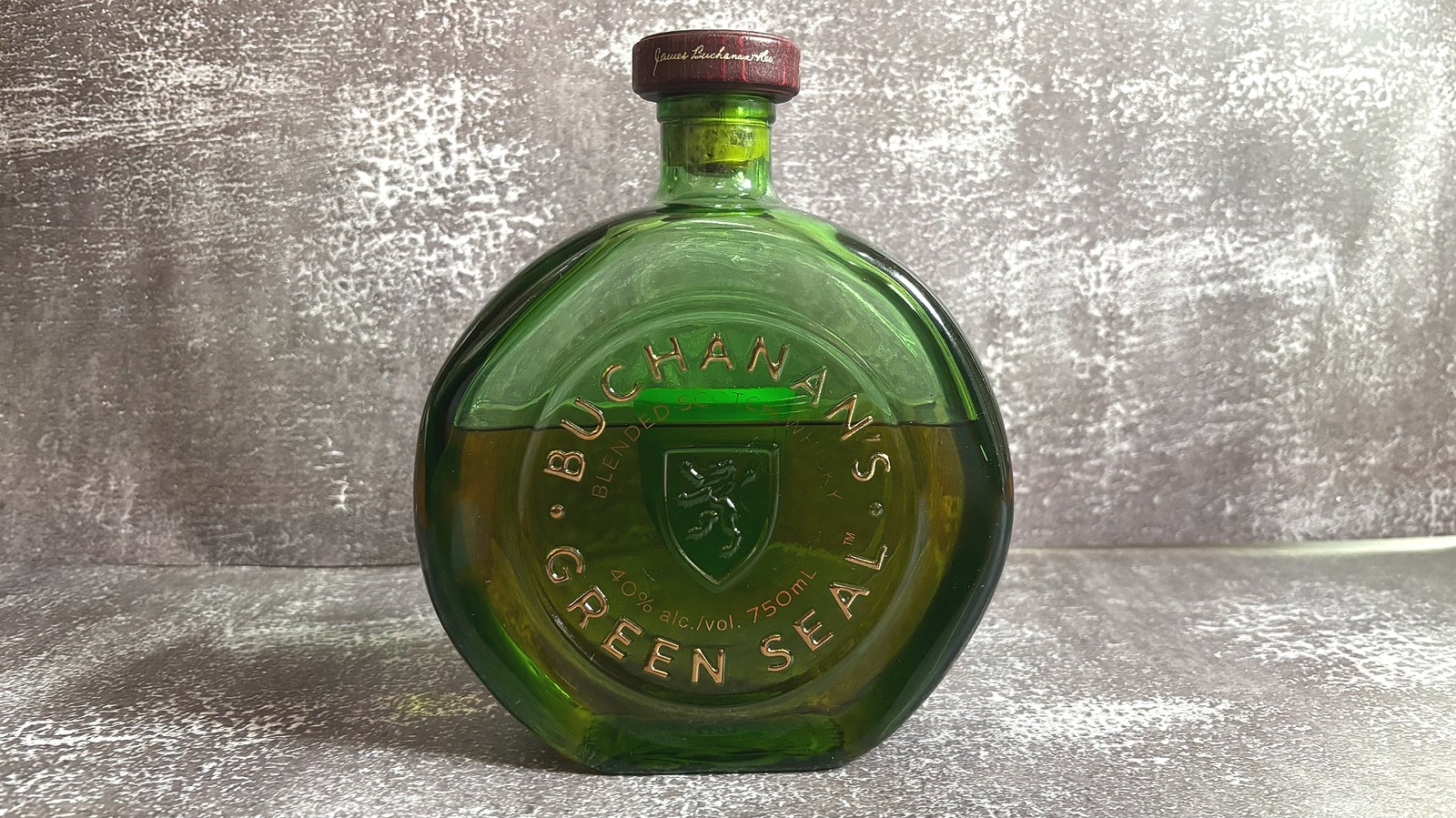
As interest in antique glass collectibles remains strong in 2026, old green glass bottles—especially rare emerald green bottles—continue to draw attention from collectors, resellers, and casual enthusiasts alike. This article breaks down the key traits to look for when identifying valuable emerald green glass bottles and provides practical insights for accurate valuation in the current market.
Table of Contents

Is Your Old Green Glass Bottle Worth Money? (The 60-Second Reality Check)
Here’s the truth most bottle-hunting articles skip: 90% of old green glass bottles sell for under $10.
That’s not pessimism. That’s the real market — flea markets, eBay completed listings, estate sale tables. Most green bottles people find are common Depression-era pieces or mid-century commercial glass. Millions were made. Millions still exist.
But that other 10%? That’s where things get interesting.
A pre-1900 emerald green bottle with a pontil scar on the base and an embossed medicine label can fetch $150 to $800 among serious collectors. A Hutchinson bottle in green glass with a regional soda brand? That can hit $200-plus with solid condition.
The gap between the $8 bottle and the $400 bottle comes down to three things:
- Age — confirmed by mold seam position and pontil marks
- Color intensity — true emerald green versus common olive or aqua
- Rarity — regional embossing, unusual shapes, limited production runs
Don’t assume yours is common yet. Take 60 seconds to check those three factors first. The next sections show you how.
Emerald Green vs. Common Green: How to Tell the Difference Under Light
Hold a green bottle up to a sunny window. What you see in the next three seconds tells you more than any price guide.
True emerald green glass has real depth — a rich, jewel-like saturation that doesn’t lean yellow and doesn’t drift blue. It looks like something. Common green glass looks flat by comparison. Olive-toned. A little tired. Under bright natural light, the difference becomes obvious.
Here’s the test collectors use:
- Emerald green: Deep, pure color. Holds its intensity as light passes through. No muddy undertones.
- Olive/yellow-green: Warm, brownish cast. Common in wine and utility bottles.
- Aqua/blue-green: Pale and watery. This was the standard color for most Depression-era green glass and commercial bottles made between the 1880s and 1930s.
That aqua shade is what most people find. It was the industry standard for decades — cheap to produce, used everywhere. Your bottle has that pale blue-green tint? It’s common.
Why emerald green is so rare comes down to chemistry and purpose. Getting that pure, saturated green took deliberate mineral additions. That made it more expensive and less practical for mass production. Manufacturers used it most in bitters bottles and certain pharmacy bottles — not everyday soda or utility glass. Soda bottlers skipped it. Bitters makers used it for visual impact on apothecary shelves. Standing out on a crowded shelf had real commercial value.
That’s why vintage glass bottle colors matter so much to collectors. Color wasn’t decorative. It was functional. It tells you where the bottle came from and when it was made.
Artificial light hides these differences. Check under natural daylight before you decide what color you’re holding.
Dating Your Green Glass Bottle: A Timeline from Hand-Blown to Machine-Made
The mold seam tells you almost everything. Run your thumb up the side of the bottle, from base to lip. Pay attention to where that line stops. One detail, one touch — that’s 150 years of manufacturing history right under your fingertip.
Here’s how the timeline breaks down.
Before 1860: The Hand-Blown Era
A glassblower shaped every bottle by lung power and instinct. No two came out identical. Look for these signs:
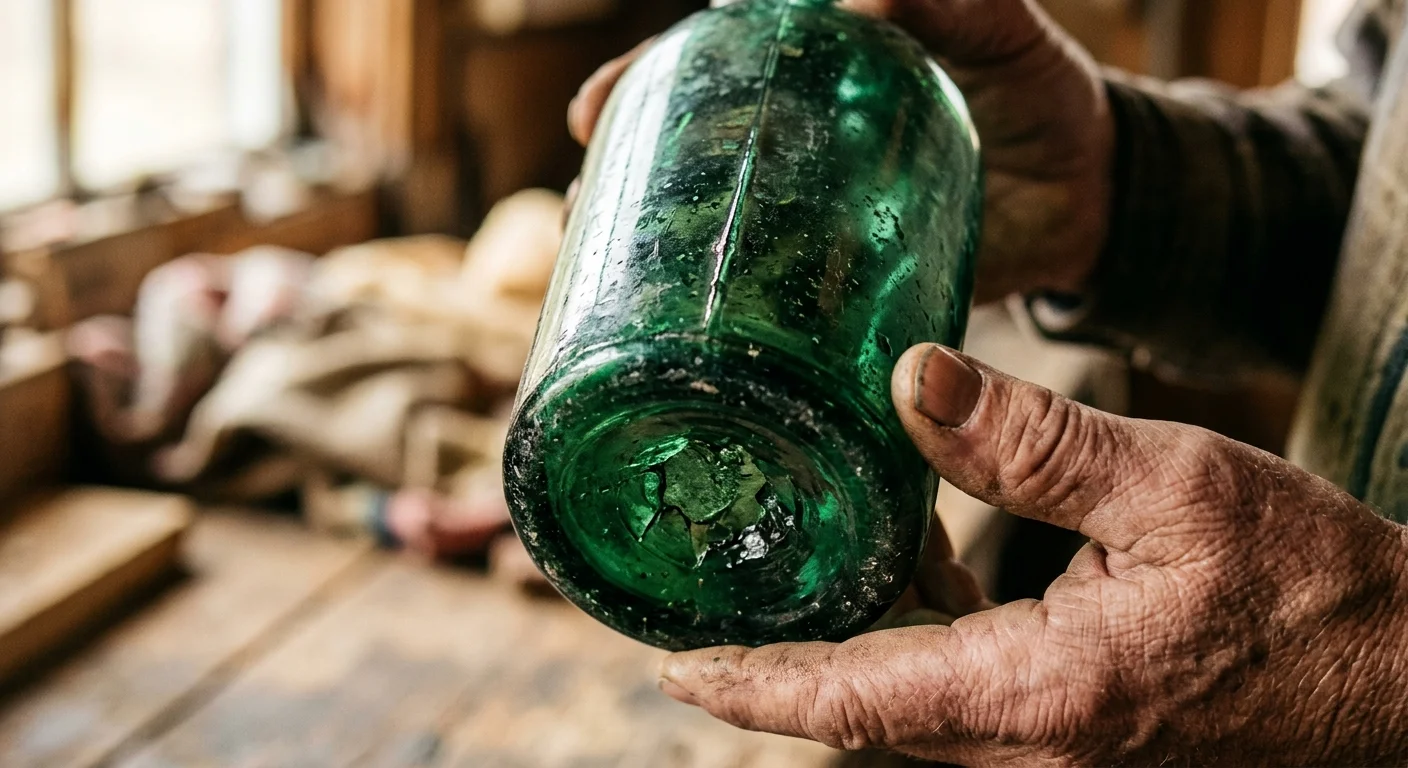
- An open pontil scar on the base — a rough, jagged circle where the blowpipe was snapped free
- Asymmetry in the body — the bottle leans, bulges in odd directions, sits crooked
- Glass walls that are thicker on one side than the other
- Bubbles trapped at odd angles, sometimes elongated from the blowing process
These imperfections aren’t flaws. They’re proof. An emerald green bottle with a clean open pontil scar is pre-Civil War. That’s a big deal to collectors.
1860s–1910s: The Transition Period
Glassmakers shifted to mold-blown production. A worker still blew the glass, but into a hinged metal mold. The result was more consistent. Still, the handmade process left traces behind.
The mold seam on transition-era bottles stops below the lip or at the base of the neck. It never reaches the top. The glassworker finished the lip by hand after pulling it from the mold. That step broke the seam line.
This era also gave us the Hutchinson bottle — a distinctive green Glass Soda Bottle with an internal wire stopper. Find one embossed with a regional bottler’s name, and you’re holding something serious collectors want. Hutchinson bottles in green glass date between 1879 and 1912.
After 1910: The Machine Age
In 1903, Michael Owens patented the automatic bottle-making machine. By 1910, it had taken over the industry.
Machine-made bottles are easy to spot:
- The mold seam runs all the way to the top of the lip — straight up, no breaks
- Glass walls are uniform in thickness
- Bubbles are rare or gone
- The base shows a manufacturer’s mark, not a pontil scar
Glass bottle mold seam dating is the most reliable free tool you have. No equipment needed — just your fingers and this timeline.
2026 Emerald Green Bottle Value Guide: Price Ranges by Type and Rarity
Collectors don’t pay for glass. They pay for story, scarcity, and color — in that order.
Here’s what the 2026 market looks like, based on eBay completed sales and auction records. Use this as your working antique bottle price guide, not a guarantee — condition and provenance can push prices far in either direction.
Price by Bottle Type
| Bottle Type | Typical Color | 2026 Price Range |
|---|---|---|
| Antique medicine / pharmacy | Emerald green | $100 – $500 |
| Bitters & figured flasks | Emerald / yellow-green | $500 – $1,500+ |
| Early American whiskey | Yellow-green | $1,000 – $2,000 |
| Vintage Coca-Cola sets | Green variants | ~$2,000 (complete) |
| Rare Pepsi / Gatorade green variants | Uncommon green | $125 – $30,000 |
That last row isn’t a typo. An unopened, sealed green glass bottle with original contents sits in its own league. A production oddity or regional variant? That’s a different price tier altogether. Scarcity plus condition plus provenance creates numbers that don’t follow normal rules.
The Color Premium: Why Green Isn’t Just Green
Not all green commands the same dollar. The vintage glass bottle colors market has a clear hierarchy:
- Emerald and yellow-green sit at the top. These colors came from deliberate, costly production choices. Collectors compete hard for them.
- Teal and olive occupy the middle tier. Interesting and desirable, but more common.
- Standard aqua and pale green — the workhorse colors of mass production — sit at the bottom.
A medicine bottle in standard aqua might fetch $12. The same bottle shape in true emerald green? You’re looking at $200 to $400. Same age. Same embossing. Completely different price conversation.
What Multiplies Value (and What Kills It)
Two bottles, same type, same color. One sells for $80. One sells for $380. The gap almost always comes down to condition and originality.
Pristine, uncleaned, undug examples command 3x to 5x the price of stained or “dug” condition bottles. Tumbling a bottle to remove soil haze — a common mistake — wipes out that premium for good.
Original contents and intact closures add another layer. A sealed emerald green bottle with its original cork or stopper is worth far more than an empty one. Collectors aren’t buying the liquid. They’re buying proof that nothing has been disturbed since the bottle left the factory.
The bottom line for anyone using this as a green glass bottle price chart: condition builds value more than any other single factor. Before you sell, don’t clean. Before you buy, check for damage in direct light.
Most Valuable Types of Old Green Glass Bottles Collectors Pay For
Three categories dominate every serious collector’s want list. Learn them, and you’ll stop leaving valuable bottles on flea market tables for someone else to grab.
Bitters Bottles and Figured Flasks: The Top Tier of Green Glass
Bitters bottles are the most reliable emerald green bottles in the antique market — and the reason is simple. These bottles were built to stand out. They sat on apothecary shelves competing for attention. Manufacturers put serious effort into dramatic shapes, rich color, and heavy embossing. A figural bitters bottle shaped like a log cabin or a barrel, cast in deep emerald green, with a sharp pontil mark on the base? That hits three collector sweet spots at once: rarity, visual drama, and documented age.
The value formula is a triangle: scarcity + historical narrative + aesthetic impact. Pull out any one side and the price drops. Hold all three, and you’re looking at $500 to $1,500-plus in today’s market.
Figured flasks fall into the same tier. These are decorative flasks embossed with eagles, portraits, or masonic symbols. Pre-1870 examples in yellow-green or true emerald often break four figures at auction.
Regional Bottles: The Category Most Collectors Miss
Small regional glasshouses in the American South and West produced green glass bottles in short runs. Their customers were local bottlers, druggists, and distillers. Distribution stayed local. Production stayed small. These bottles rarely turn up far from where they started — and that scarcity pushes prices up fast.
Spotting them is easy. Look for embossed glass bottle markings that include:
– City or small-town names
– Local druggist surnames
– State-specific bottler brands
A pontil-marked medicine bottle embossed with a defunct Georgia pharmacy sits in a completely different price range than the same shape with no markings at all.
What’s Rising in 2026
Auction data from 2024–2026 shows one clear trend. Pontil-marked medicine bottles in true emerald green are gaining value faster than almost any other subcategory. Buyer competition has grown as supply tightens. Hutchinson bottles in green glass with regional embossing are moving along the same path.
The bottles climbing fastest share one trait — they tell a specific, verifiable story. Collectors aren’t chasing glass. They’re chasing evidence.
FAQ: Quick Answers for Green Glass Bottle Collectors
Collectors ask the same questions at every flea market, every estate sale, every backyard dig. Here are the straight answers.
Is my green glass bottle valuable?
Most likely not — but check three things first. Look for a pontil scar on the base. Look for true emerald green color, not aqua. Look for embossed regional markings. Those three details are what push a bottle from $8 to $400. Most bottles miss at least two of them. A few don’t.
How do I identify emerald green glass?
Hold it up to natural daylight. True emerald green is deep and rich. The color stays bold as light passes through — almost jewel-like. Aqua glass, the most common vintage color, looks pale and washed out next to it. Olive glass pulls brownish-yellow. Flat, dull, or watery-looking? Not emerald.
How much is an old green glass bottle worth?
Here’s a rough breakdown:
- Common aqua bottles: $5–$15
- Antique medicine bottles in emerald green: $100–$500
- Bitters and figured flasks: $500–$1,500+
Condition makes a massive difference. An uncleaned, undug bottle can sell for 3–5x more than a tumbled one. That gap adds up fast.
Does a pontil mark mean the bottle is old?
Yes. An open pontil scar points to pre-1860 production. A smoother iron pontil mark puts the bottle in the 1840s–1870s range. Find either mark on an emerald green bottle, and you’ve got a real signal of age — and strong collector interest.
Modern Emerald Green Glass Bottles: Custom Options for Collectors and Brands
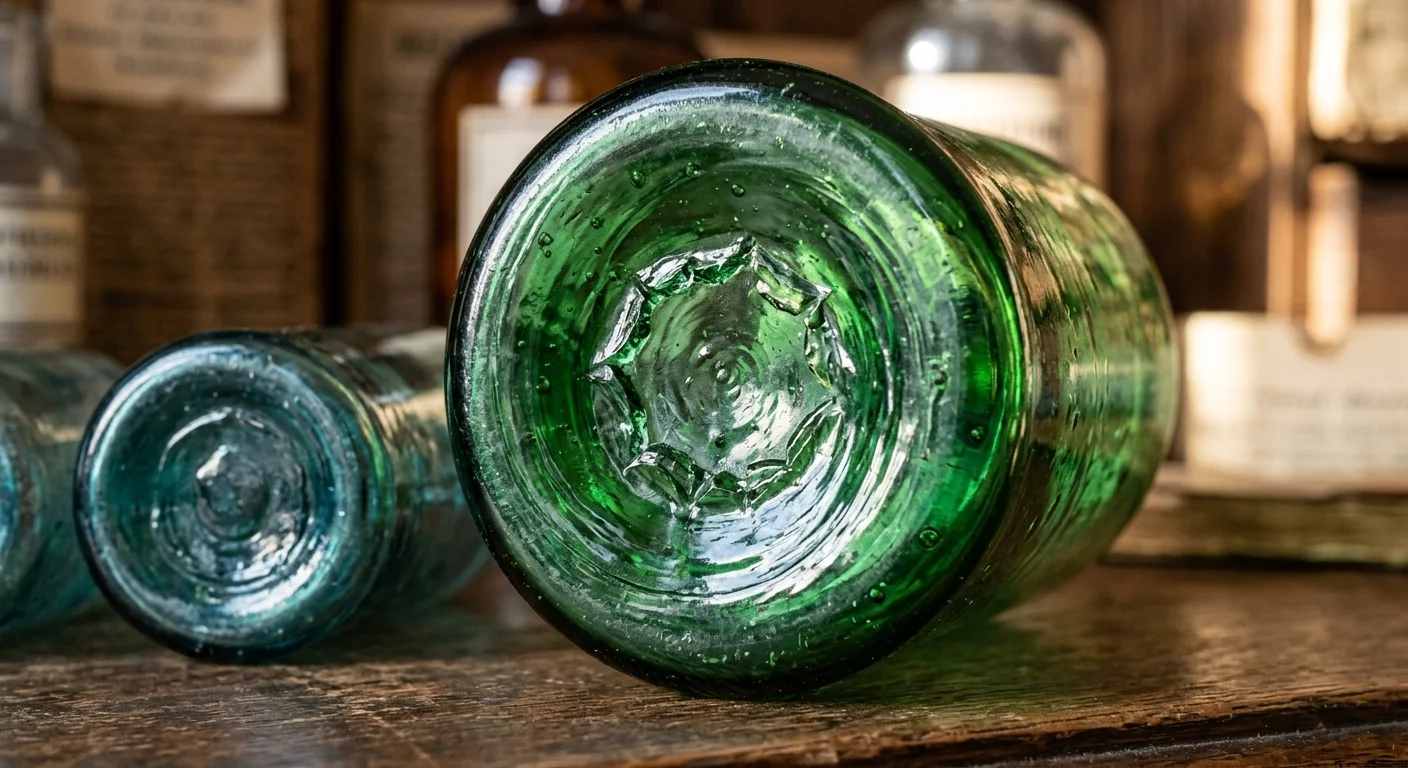
Antique bottles teach us something useful: color has always been a deliberate choice. Manufacturers paid extra for that deep emerald saturation because it meant something on a shelf. That logic hasn’t changed.
Today, brands and collectors are bringing that same focus to custom glass. You might be sourcing packaging for a craft spirits label. Maybe you’re building a limited-edition product line. Or you’re commissioning a reproduction piece that honors the look of a pontil-era bottle. Modern emerald green glass manufacturing can match that vision with a level of precision that 19th-century glassblowers could never reach.
At TP Glass, custom emerald green glass bottles come with:
- Precise color matching — consistent across full production runs, not batch-variable like antique glass
- Flexible MOQ options — accessible for small brands and boutique projects, not just volume buyers
- Custom embossing — the same tactile, raised markings that make vintage bottles so collectible, applied to your own design
Collectors will find that custom reproduction pieces make strong display companions to authentic antiques. You get the same visual weight with modern production quality.
The appeal of vintage glass bottle colors doesn’t stop at the past. It belongs to anyone who chooses to use it with purpose.
👉 Explore custom emerald green bottle options at tpglassbottle.com — and bring that depth of color to something new.
Conclusion
By understanding the key factors that shape the value of old green glass bottles in 2026—from age and condition to rarity and historical details—you can accurately appraise emerald green pieces and make informed decisions whether collecting, selling, or sourcing. Market demand for these classic green glass bottles remains steady, with well-preserved, distinctive examples continuing to hold strong appeal.For businesses and collectors seeking custom-made vintage-style emerald green glass bottles or high-quality reproductions, TP Glass Bottle Manufacturer offers professional design and production services to bring authentic, premium green glass bottle solutions to life.