
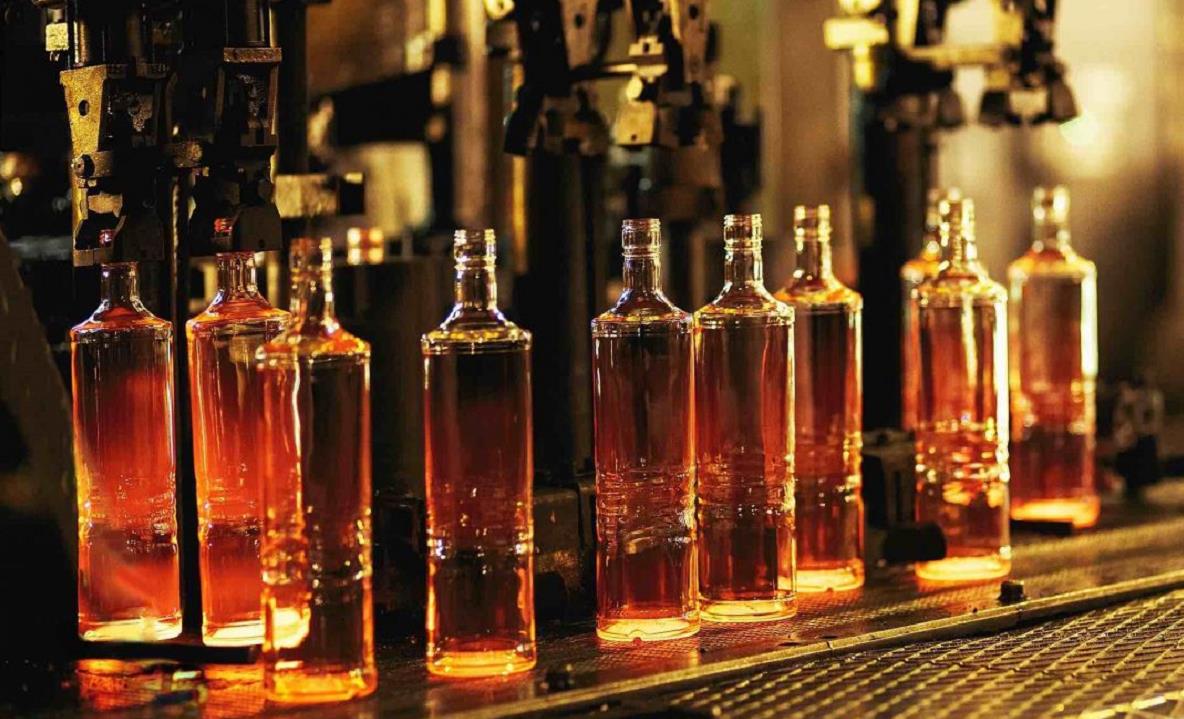
For decades, glass packaging was quietly pushed aside in favor of lighter, cheaper, and “unbreakable” alternatives like plastic and aluminum. But the pendulum is swinging back. Today, glass is experiencing a remarkable renaissance across sectors ranging from luxury beauty to mass-market beverages. This resurgence is not merely nostalgic; it is driven by urgent environmental concerns, evolving consumer values, and tangible innovations in manufacturing.
As a B2B glass container manufacturer, understanding this shift is key to serving your clients better. In this article, we explore the forces behind glass’s comeback, illustrated by two powerful examples: a leading pharmaceutical and cosmetic glass manufacturer’s breakthrough at a luxury packaging event, and a major beverage giant’s multi-million-dollar investment in a glass bottling line. These cases reveal why glass is no longer just a container—it’s a strategic asset.
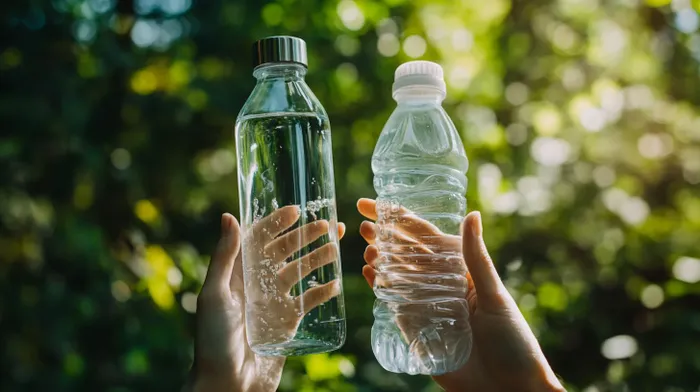
Table of Contents
The Drivers of Glass Packaging’s Comeback
Before diving into the examples, let’s outline why brands are returning to glass packaging. First, glass is infinitely recyclable without loss of quality or purity, unlike plastic which degrades over time. Second, it is chemically inert, meaning it does not leach harmful substances into products—a critical factor for food, beverages, and cosmetics. Third, glass conveys a premium, authentic feel that resonates with today’s conscious consumers. Finally, stringent regulations on single-use plastics and corporate net-zero pledges are pushing supply chains to adopt circular materials.
Now, let’s see how these drivers translate into real-world action.
SGD Pharma – Setting the Benchmark in Sustainable Beauty Packaging

At this year’s LuxePack New York, a premier event for luxury beauty packaging, SGD Pharma demonstrated that sustainability and elegance can coexist. The company, a global leader in glass packaging for cosmetics and pharmaceuticals, unveiled several solutions that directly address the industry’s environmental footprint.
PCR Glass Bottles
One standout was their PCR (post-consumer recycled) glass bottles, available with 20% and 30% recycled content. By integrating post-consumer recycled glass, SGD Pharma reduces the need for virgin raw materials (soda ash, limestone, and silica sand) and lowers the energy intensity of melting. More importantly, in 2025, the company became the first glass manufacturer in China to achieve ISO 14021 certification for this packaging. This certification—which verifies self-declared environmental claims—marks a milestone for PCR glass production in the cosmetics and beauty sector, giving brands confidence in the authenticity of their sustainability claims.
Lightweighting for Carbon Reduction
Another highlight was the NOVA Lightweight Glass Range. Conventional wisdom holds that glass is heavy and energy-intensive to transport. However, NOVA challenges this by achieving a reported 20% reduction in CO₂ emissions compared to standard models. Lightweighting not only cuts the carbon footprint during production but also reduces fuel consumption during shipping—a double win for brand owners managing Scope 3 emissions.
Refillable Design: The ECLIPSE Jar
Perhaps the most innovative product on display was the ECLIPSE Refillable Glass Jar. Unlike typical refillables that require consumers to replace an entire inner component, ECLIPSE is designed as two separate containers locked together with an innovative assembly. This allows users to effortlessly replace only the inner capsule while keeping the outer jar intact. The goal is clear: reduce single-use waste and encourage reuse. For luxury beauty brands, refillables are no longer a niche trend; they are becoming a baseline expectation among eco-conscious shoppers.
Decoration That Doesn’t Compromise Recycling
SGD Pharma also highlighted its advanced decoration capabilities, including Physical Vapour Deposition (PVD), lacquering, and screen-printing. What sets these techniques apart is that they remain fully compatible with recycling processes. Many decorative finishes—such as metallic foils or certain inks—contaminate recycled glass or are difficult to remove. By ensuring their decorations are recycling-friendly, SGD Pharma allows brands to create striking, premium packaging without sacrificing end-of-life recyclability.
Long-Term Commitments and Recognition
These product launches are not isolated efforts. SGD Pharma has embedded sustainability into its core strategy, targeting a 42% reduction in carbon emissions from its 2022 baseline by 2030, and 65% by 2040. This roadmap includes investments in energy-efficient furnaces, responsible sourcing of raw materials, and workforce inclusion programs. Their performance has earned them the EcoVadis Platinum medal for the second consecutive year, ranking SGD Pharma among the top 1% of global cosmetic and pharmaceutical glass manufacturers for sustainability. For any B2B buyer evaluating suppliers, such credentials signal reliability and future-readiness.
Coca-Cola Consolidated – A $35 Million Bet on Glass Bottles

If the beauty industry’s embrace of glass is impressive, the beverage sector’s return to glass is equally telling. Coca-Cola Consolidated, the largest independent bottler of Coca-Cola products in the United States, recently announced a $35 million investment to add a dedicated glass bottling production line at its Indianapolis facility.
Why Glass Packaging, Why Now?
For decades, Coca-Cola has primarily used PET plastic bottles and aluminum cans for high-volume distribution. Glass was relegated to premium or nostalgic lines. However, shifting consumer preferences—particularly among younger demographics who perceive glass as healthier and more environmentally friendly—have prompted a strategic rethink. Additionally, many craft sodas, premium mixers, and boutique beverages have proven that customers are willing to pay a premium for glass packaging.
Details of the Investment
The Indianapolis plant, operational since 1968, currently houses four lines: two for PET and rPET (recycled PET) bottles, and two for cans. The new glass line will make it one of only three facilities in the entire USA capable of bottling beverages in glass. Construction is slated to begin in late 2026, and once completed, the expansion is expected to create 15 to 20 new full-time jobs. Beyond direct employment, the project will generate economic activity through construction contracts, local suppliers, and ancillary services.
Community and Strategic Impact
Dave Katz, President and Chief Operating Officer at Coca-Cola Consolidated, noted: “We are excited about the impact this investment will have in the local community and look forward to continuing our long-standing relationships with dedicated community partners.” While the statement focuses on local benefits, the strategic implication is clear: Coca-Cola Consolidated is positioning itself to capture a growing segment of consumers who actively seek out glass-bottled beverages. For independent bottlers and co-packers, this signals a market shift worth watching.
What These Two Examples Tell Us
At first glance, a pharmaceutical-cosmetic glass manufacturer and a soda bottler seem to operate in different worlds. Yet together, they illustrate a unified trend:
- Innovation is accelerating. From PCR content and lightweighting to refillable designs and specialized production lines, glass manufacturers and bottlers are not simply “reverting” to an old material—they are modernizing it.
- Infrastructure investment follows demand. Coca-Cola’s $35 million line would not happen without clear market signals. When a company of this scale invests in glass, it de-risks the decision for smaller brands considering a switch.
- Glass packaging supports circular business models. The ECLIPSE refillable jar and the infinite recyclability of glass both align with the EU’s and North America’s evolving packaging regulations, which increasingly mandate reuse and recycled content.
What These Trends Mean for Your Brand
The two examples above—SGD Pharma’s sustainable beauty packaging and Coca-Cola Consolidated’s new glass bottling line—are not isolated events. They reflect a broader truth: switching to glass packaging offers tangible, measurable advantages for your brand. Here is why glass deserves a central place in your packaging strategy.
1.Glass packaging enhances brand perception. In both luxury beauty and premium beverages, glass instantly communicates quality, purity, and authenticity. Unlike plastic, which can feel disposable, glass has weight, clarity, and a premium tactile experience. When consumers see a product in glass, they associate it with higher value—which justifies premium pricing and builds brand loyalty.
2.Glass is infinitely recyclable without downcycling. This is a critical advantage over plastic and even some paper-based alternatives. Glass can be recycled endlessly, batch after batch, with no loss in quality or purity. For your brand, that means you can confidently claim a true circular economy solution. With recycled content (PCR) glass bottles now certified under ISO 14021, as demonstrated by SGD Pharma, you can back up your sustainability messaging with third-party verification.
3.Glass protects product integrity. Glass is chemically inert—it does not interact with its contents. No leaching of endocrine disruptors, no migration of microplastics, no flavor contamination. For food, beverages, cosmetics, and pharmaceuticals, glass remains the gold standard for safety and shelf life. This is especially important as consumers become more educated about chemical risks in packaging.
4.Glass supports lightweight and refillable innovation. The old argument that glass is too heavy is being overturned. As shown by SGD Pharma’s NOVA range, lightweight glass can achieve up to 20% CO₂ reduction compared to standard models. Meanwhile, refillable designs like the ECLIPSE jar turn glass packaging into a reusable asset, cutting single-use waste and offering consumers a more sustainable ritual. Refillable glass systems are no longer a niche—they are becoming a competitive differentiator.
5.Glass aligns with evolving regulations and consumer expectations. From EU packaging directives to state-level EPR laws in the US, regulators are increasingly penalizing single-use plastics and demanding higher recycled content. Glass, with its established recycling infrastructure and inert nature, puts your brand ahead of compliance curves. At the same time, consumer surveys consistently show that a majority of shoppers prefer glass over plastic when given a choice. By choosing glass, you signal that your brand listens to both the law and the public.
In short, glass packaging is not a step backward—it is a strategic upgrade. It elevates your brand image, protects your product, closes the recycling loop, and future-proofs your business against tightening environmental standards.
Conclusion
The resurgence of glass is backed by real investments and proven innovations. As your glass container manufacturing partner, we are fully aligned with these trends. The shift toward glass is accelerating. By making glass your packaging material of choice, you gain more than a container—you gain a competitive advantage. Let’s build it together.