
Introduction
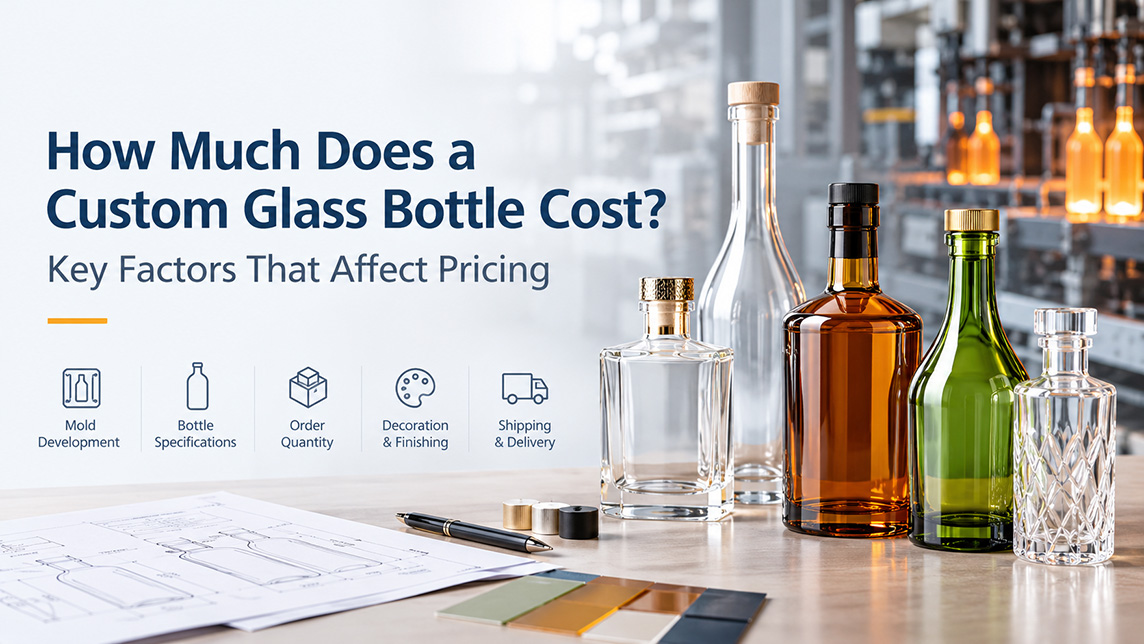
Custom glass bottles allow brands to create packaging that reflects their identity and product positioning. Whether you are developing a unique liquor bottle, a beverage bottle, or a food jar, the cost of production depends on several factors beyond the bottle itself.
There is no fixed price for every custom glass bottle. Bottle design, mold development, production volume, glass specifications, and decoration requirements can all affect the final quotation.
Understanding these cost factors before contacting a manufacturer can help you prepare a realistic budget and compare supplier quotations more effectively. In this guide, we explain what determines the custom glass bottle cost, how different expenses are calculated, and how you can manage your budget without compromising the quality of your packaging.
Table of Contents
What Determines the Cost of a Custom Glass Bottle?
The price of a custom glass bottle is influenced by the materials, manufacturing requirements, and additional services involved in the project. The following factors are particularly important when requesting a quotation.
1. Mold Development and Design Complexity
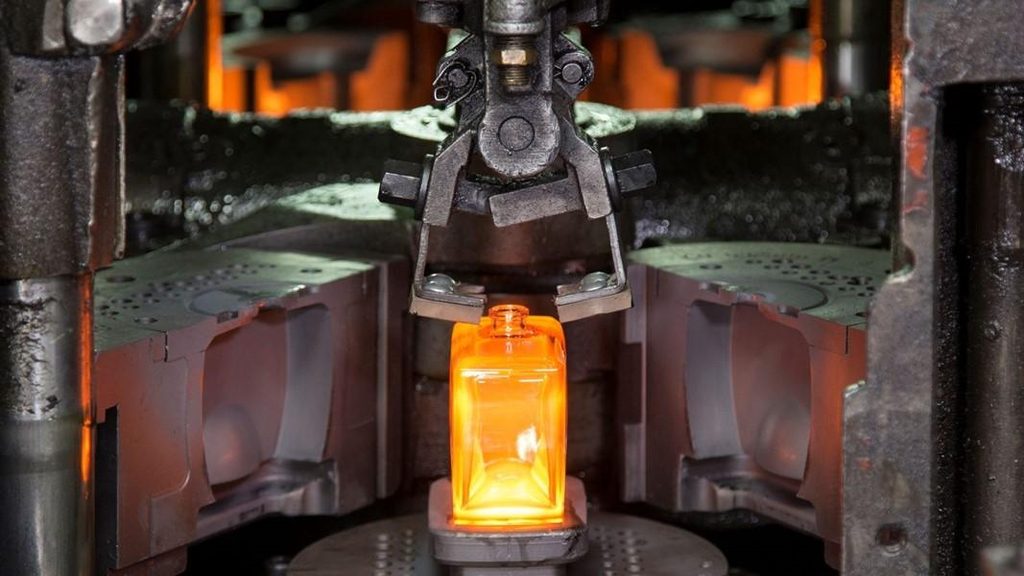
Mold development is one of the main costs to consider when creating a completely new glass bottle design.
If you choose a manufacturer’s existing bottle design, you may be able to use an available mold without paying for new mold development. However, a bottle with a unique shape, embossed logo, or special structural details may require a new mold.
The custom glass bottle mold cost depends on several considerations:
- Bottle shape: Unusual shapes and complex contours may require more complicated mold designs.
- Structural details: Embossed logos, recessed patterns, and distinctive base designs can add to mold development requirements.
- Mold specifications: The mold structure and materials are selected according to the bottle design and production requirements.
- Design modifications: Significant changes to an approved design may require additional mold work.
For this reason, it is important to confirm the design and technical specifications before mold production begins. A clear design can reduce unnecessary revisions and help control the initial development cost.
When requesting a quotation, ask whether the mold fee is charged separately, included in another project cost, or handled under a specific mold ownership agreement.
2. Bottle Size, Weight, and Glass Color
Bottle specifications directly influence the amount of material required and the manufacturing process.
Bottle capacity and dimensions are important starting points. Larger bottles generally require more glass material, while unusual proportions or designs may introduce additional production challenges.
Bottle weight is another important factor. A heavier bottle uses more glass, which can increase material costs and affect transportation expenses. However, the ideal weight depends on the intended application, required strength, appearance, and handling requirements.
Glass color can also influence the quotation. Clear, amber, and green glass are common options for beverage and food packaging. Other colors or special color requirements may involve additional material preparation or production considerations.
When discussing specifications with a supplier, consider both appearance and practical requirements. A bottle should not simply look attractive; it should also be suitable for filling, storage, transportation, and its intended product.
3. Order Quantity and Production Volume
Order quantity is an important factor in custom glass bottle pricing.
Glass bottle manufacturing involves production preparation, mold setup, equipment operation, inspection, and packaging. These activities create costs that are distributed across the production order.
Larger orders may benefit from more efficient production planning and a lower unit price. Smaller orders, on the other hand, may have higher per-unit costs because some production expenses are spread across fewer bottles.
However, increasing the order quantity does not always reduce the unit price by the same amount. The actual price depends on the bottle design, production efficiency, decoration requirements, and the manufacturer’s scheduling arrangements.
When comparing quotations, pay attention to the price at different order quantities. You should also consider your actual sales forecast and storage capacity rather than ordering more bottles simply to obtain a lower unit price.
4. Surface Decoration and Finishing
Decoration is another factor that can significantly affect the final cost of a custom glass bottle.
A simple glass bottle without additional finishing generally requires fewer processing steps than one with multiple decorative treatments. The cost depends on the decoration method, artwork complexity, coverage area, and production quantity.
Common decoration options include:
- Screen Printing: Suitable for applying brand logos, text, and patterns directly onto the bottle.
- Frosting: Creates a matte or translucent surface for a different visual appearance.
- Color Coating: Adds an external color layer to match specific brand requirements.
- Hot Stamping: Applies metallic details for a more distinctive finish.
- Embossing and Debossing: Creates raised or recessed patterns in the glass, generally incorporated into the mold design.
Different processes involve different equipment, materials, and production steps. Some decorative finishes may also require additional setup or processing time.
To manage decoration costs, decide which visual elements are most important to your brand. A well-designed logo or carefully selected finish can create an attractive bottle without requiring several expensive treatments.
It is also helpful to confirm decoration details during sample approval so that the manufacturer can quote the correct specifications.
5. Caps, Closures, and Packaging
A complete glass bottle packaging solution may include more than the glass container.
Caps and closures, such as screw caps, cork stoppers, metal caps, and other specialized closures, can add to the total product cost. Their prices depend on material, design, dimensions, finishing, and customization requirements.
Packaging also needs to be considered. Cartons, dividers, protective materials, and palletizing arrangements may affect the quotation, particularly for fragile or unusually shaped bottles.
For example, a liquor bottle with a customized closure and decorative gift packaging will have different cost requirements from a standard food jar supplied with a simple metal lid.
When requesting a quotation, specify whether you need only the glass bottles or a complete packaging solution. This makes it easier to compare offers based on the same requirements.
6. Shipping and Delivery Requirements
Shipping is another part of the total purchasing budget.
Glass bottles are relatively heavy and require suitable protection during transportation. Freight costs depend on shipment volume, total weight, destination, transportation method, and packaging arrangements.
For international orders, buyers should also consider the agreed trade terms, customs duties, taxes, and other destination-related charges where applicable.
A lower factory price does not necessarily mean a lower total purchasing cost. When comparing suppliers, look at the complete quotation and make sure you understand which transportation and additional charges are included.
What Should Be Included in a Custom Glass Bottle Quote?
A clear quotation should help you understand how the total project cost is calculated. Depending on the project, a supplier may provide separate prices for development, products, decoration, accessories, and transportation.
| Cost Item | What It Covers |
|---|---|
| Mold Development | New mold design and manufacturing, when required |
| Sample Development | Trial samples and related development work |
| Glass Bottle Unit Price | Manufacturing cost per bottle |
| Decoration | Printing, frosting, coating, hot stamping, or other finishes |
| Caps and Closures | Lids, stoppers, caps, and related accessories |
| Packaging | Cartons, dividers, protective materials, and palletizing |
| Shipping | Freight and other agreed delivery-related charges |
One important distinction is the difference between one-time development expenses and recurring order costs.
For example, a new mold may involve an initial project expense, while the bottle unit price applies to each production order. Decoration and packaging costs may be calculated per bottle, per batch, or according to the specific production arrangement.
Before placing an order, confirm whether the quotation includes all required items. You should also check the currency, order quantity, payment terms, quotation validity, and delivery terms.
This helps you avoid unexpected expenses and makes it easier to compare different manufacturers.
Custom Glass Bottles vs. Standard Glass Bottles: Which Is More Cost-Effective?
The choice between standard and custom glass bottles depends on your product requirements, budget, and branding goals.
Standard bottles use existing designs and molds, so they generally require less initial development investment. They are often a practical option for businesses that need reliable packaging without developing a completely new bottle shape.
Custom glass bottles provide greater design flexibility. You can develop unique shapes, dimensions, embossed details, and other features that better match your brand. However, a new design may require mold development and additional sampling before mass production.
| Comparison | Standard Glass Bottles | Custom Glass Bottles |
|---|---|---|
| Mold | Existing mold | Existing or newly developed mold |
| Design | Available designs | More design flexibility |
| Initial Investment | Usually lower | May include mold development costs |
| Customization | Mainly through available options | Can include customized shapes and structures |
| Development Time | Usually shorter | Depends on design and sampling |
| Best For | Cost-conscious and faster procurement | Brand differentiation and specific packaging needs |
There is no single best option for every project. If your priority is cost efficiency and a relatively straightforward purchasing process, an existing bottle design may be suitable.
If you need a distinctive bottle that supports your brand identity or meets specific product requirements, investing in a custom design may be worthwhile.
You can also consider a combination: choose an existing bottle shape and customize its color, printing, or closure. This may provide a balance between design flexibility and initial development costs.
How to Reduce Custom Glass Bottle Costs Without Sacrificing Quality
Managing the cost of custom glass bottle production does not necessarily mean choosing the cheapest materials or reducing product quality. A more effective approach is to optimize the design and purchasing plan.
Here are four practical ways to manage your budget.
1. Consider Existing Mold Options
Before developing a completely new bottle, ask your manufacturer whether an existing mold can meet your requirements. This may help you avoid new mold development expenses while still allowing certain changes to decoration or accessories.
2. Optimize Bottle Weight and Dimensions
Review the bottle’s dimensions and weight based on its intended use. Avoid unnecessarily heavy or oversized designs when they do not provide meaningful functional or branding benefits. At the same time, maintain suitable structural requirements for filling, handling, and transportation.
3. Choose Suitable Decoration Methods
Multiple decorative treatments can increase processing costs. Focus on the elements that contribute most to your product’s appearance and brand recognition. A simpler design with carefully selected decoration can still create an attractive result.
4. Plan Order Quantities in Advance
Estimate your demand before placing an order. Ordering in suitable production quantities may improve manufacturing efficiency and reduce the unit price. However, balance the potential savings against inventory costs, warehouse space, and expected sales.
Discussing these options with your manufacturer early can help identify a suitable solution before production begins.
What Information Do You Need to Get a Custom Glass Bottle Quote?
To receive an accurate custom glass bottle quote, you should provide as much product information as possible.
The following details are useful when contacting a glass bottle manufacturer:
- Bottle Capacity and Dimensions: Specify the required volume, height, diameter, and other important measurements.
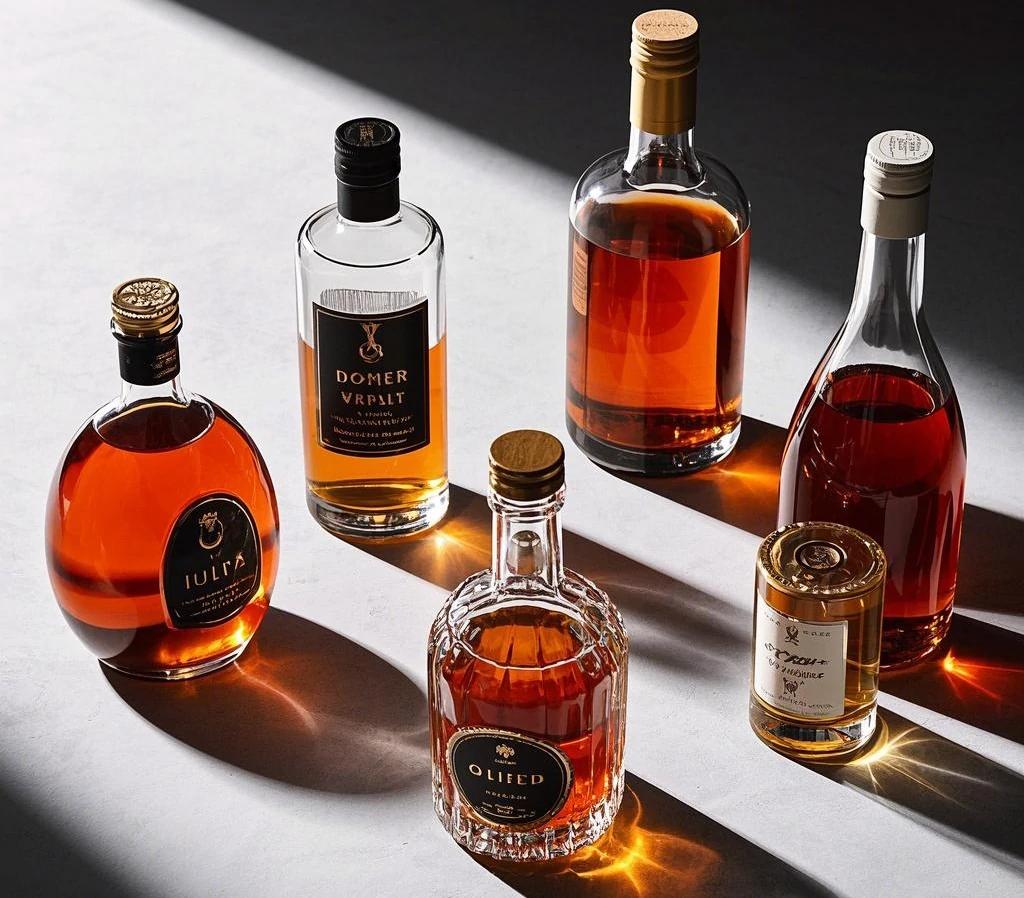
- Reference Images or CAD Drawings: Provide pictures, sketches, or technical drawings to show the intended bottle design.
- Estimated Order Quantity: Indicate your expected purchasing quantity and whether you anticipate repeat orders.
- Glass Color and Decoration: Describe the desired color, printing, frosting, coating, or other finishing requirements.
- Neck Finish and Closure Type: Specify the bottle opening and the type of cap or closure you plan to use.
- Shipping Destination: Provide the destination country or port so the supplier can assess delivery requirements.
If you do not have a complete design yet, you can start with reference pictures and basic product specifications. An experienced manufacturer can help review your requirements and discuss suitable design options.
The more clearly you communicate your expectations, the easier it will be for the supplier to evaluate the project and prepare a quotation.
Frequently Asked Questions
1. Does Custom Glass Bottle Production Require a Mold Fee?
Not always. If you select an existing bottle design that uses an available mold, a new mold development fee may not be necessary. However, a completely new bottle shape or customized structural design generally requires mold development. Confirm the mold cost and ownership arrangements with your supplier before starting the project.
2. Are Custom Glass Bottles Cheaper When Ordered in Bulk?
Generally, larger production quantities can help reduce the unit price because manufacturing and preparation costs are distributed across more bottles. However, the actual savings depend on bottle specifications, production efficiency, decoration, and order requirements. Requesting quotations for different quantities is a practical way to compare costs.
3. Can I Use an Existing Mold for My Custom Glass Bottle?
Yes, provided the existing mold matches your required bottle shape and specifications. Using an available mold can reduce initial development costs and shorten the development process. You may still be able to customize the bottle through printing, coating, frosting, or different closure options.
4. What Is the Minimum Order Quantity for Custom Glass Bottles?
The minimum order quantity (MOQ) depends on the bottle design, production requirements, and decoration methods. Standard bottles and completely new custom designs may have different MOQs. Ask your manufacturer to confirm the minimum quantity for your specific project before finalizing the design.
5. How Long Does It Take to Produce Custom Glass Bottles?
The production timeline depends on whether a new mold is required, how long sample approval takes, and the complexity of the order. Mold development, sampling, mass production, and decoration are separate stages that should be considered when planning delivery. Confirm the complete project schedule with your manufacturer before placing an order.
Conclusion
The cost of a custom glass bottle is determined by several connected factors, including mold development, bottle specifications, production quantity, decoration, accessories, and shipping.
Before choosing a supplier, look beyond the unit price and evaluate the complete quotation. A suitable design, clear specifications, and well-planned order quantity can help you control costs while meeting your packaging requirements.
At Tianpu, we support glass bottle projects for different applications, including liquor, beverage, and food packaging. Whether you are looking for an existing bottle design or developing a new custom glass bottle, our team can help review your requirements and explore suitable production solutions.
Contact Tianpu with your bottle design, specifications, and estimated order quantity to discuss your project and request a quotation.