
Introduction
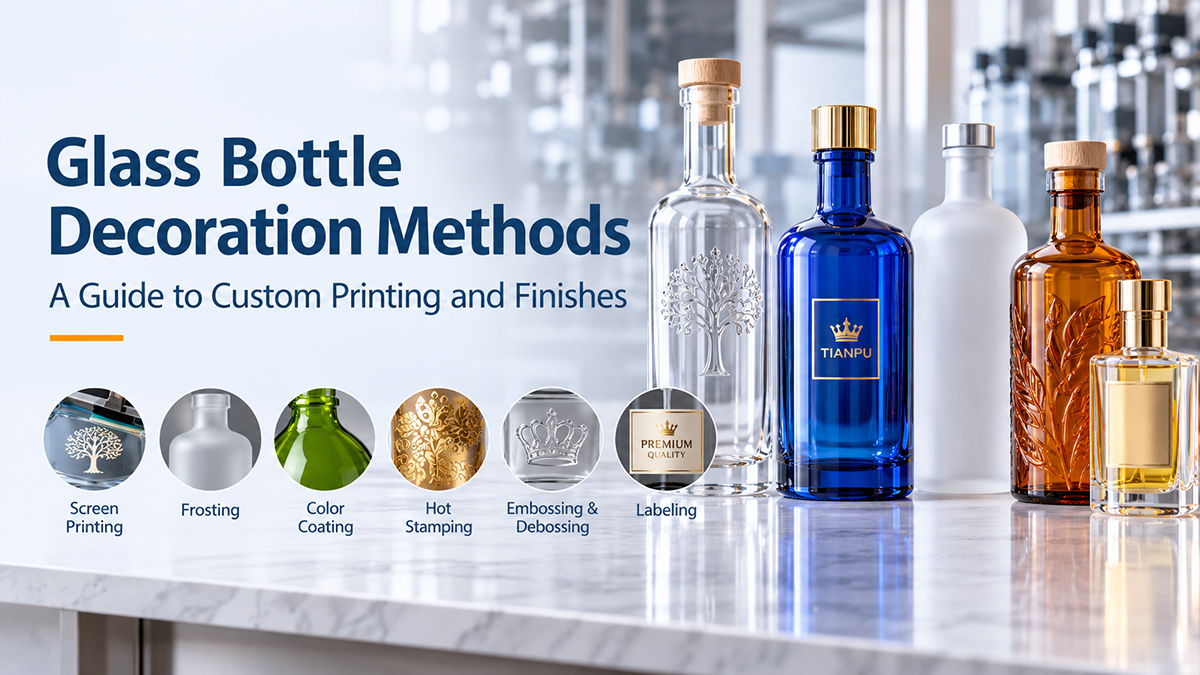
Glass bottle decoration plays an important role in product packaging. Beyond protecting the contents, a well-designed bottle can help a brand stand out, communicate product quality, and create a recognizable visual identity.
From printed logos on liquor bottles to frosted cosmetic packaging and colored beverage bottles, different decoration methods can create a wide range of appearances and finishes.
Choosing the right glass bottle decoration method depends on several factors, including your bottle design, branding requirements, intended application, and production quantity. Some methods are suitable for detailed graphics, while others focus on surface texture, color, or three-dimensional effects.
In this guide, we introduce six common glass bottle decoration methods, compare their features, and explain how to choose suitable finishes for your packaging project.
Table of Contents
Common Glass Bottle Decoration Methods
Glass bottles can be customized through direct printing, surface treatments, decorative coatings, and other finishing processes. Each method offers different visual effects and production possibilities.
1. Screen Printing
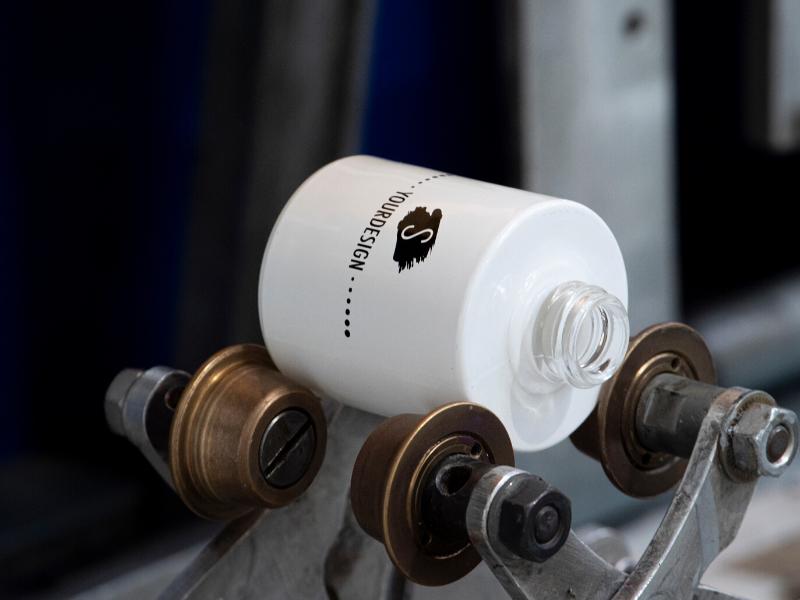
Screen printing is one of the most common methods of glass bottle decoration. It uses a mesh screen to transfer ink onto the bottle surface, allowing manufacturers to apply logos, text, patterns, and other graphic designs.
This method works well for branding elements that need to appear directly on the glass rather than on a separate label.
Screen printing can produce different colors and designs, depending on the artwork and printing setup. It is commonly used on liquor bottles, beverage bottles, perfume bottles, and cosmetic containers.
Key features:
- Suitable for logos, text, and decorative patterns.
- Supports different ink colors and printing designs.
- Creates a clean, integrated appearance on the bottle.
- Can be used for simple or multi-color branding, depending on design requirements.
When planning custom glass bottle printing, consider the bottle’s shape, printing area, artwork size, and color requirements. Curved surfaces and complex graphics may require additional evaluation before production.
The ink system and curing process also affect the final result. For this reason, sample testing is important to check color accuracy, adhesion, and durability.
2. Frosting
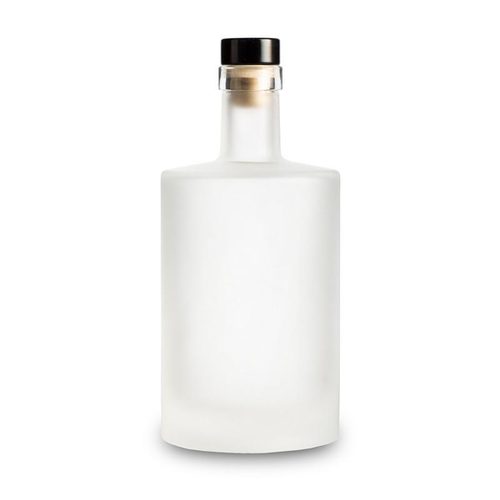
Frosting creates a matte, translucent appearance by changing the surface finish of the glass. It reduces the glossy look of ordinary clear glass and gives bottles a softer, more understated appearance.
Frosted glass bottles are commonly used for cosmetics, skincare products, perfume, and premium beverage packaging.
There are different ways to achieve a frosted appearance. Acid etching and sandblasting are two common glass surface treatment methods, while specialized coatings can also create a similar visual effect.
Key features:
- Produces a matte or translucent finish.
- Creates a softer appearance than standard clear glass.
- Can be applied to all or selected areas of a bottle, depending on the process.
- Works well with minimalist logos and premium packaging designs.
Frosting can also be combined with screen printing or other decorative treatments to create contrast between matte and clear areas.
When selecting this finish, consider the desired level of transparency and surface uniformity. The specific frosting process should be chosen according to the bottle design and final application.
3. Color Coating
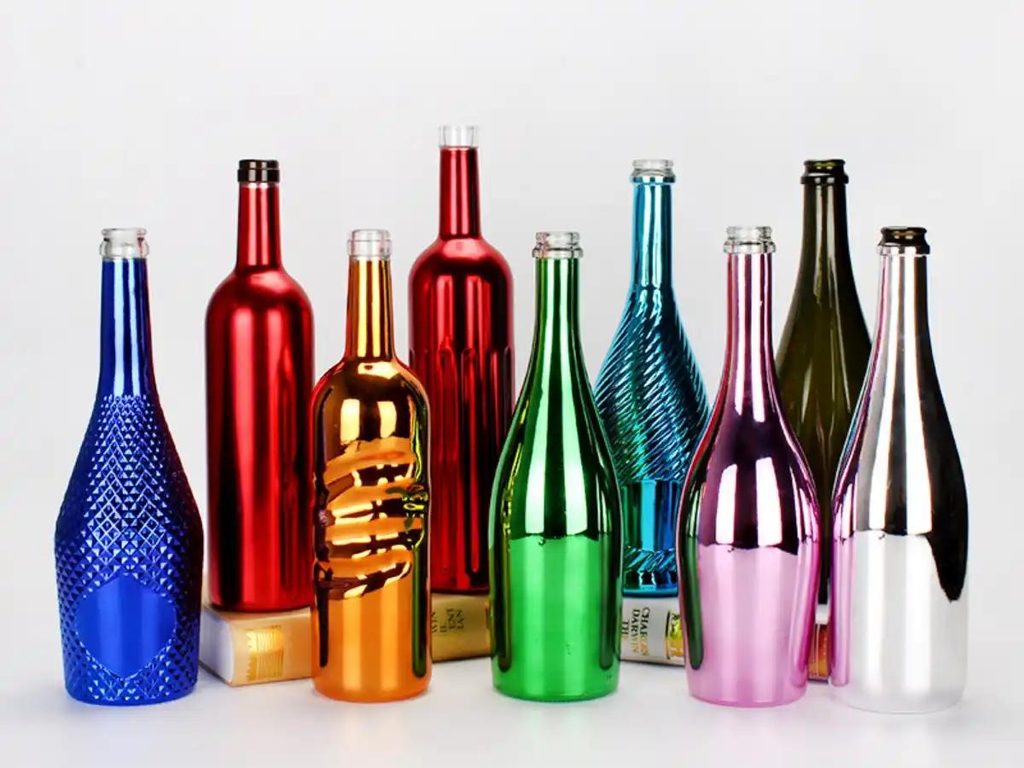
Color coating adds a decorative layer to the exterior of a glass bottle. It allows brands to achieve colors and visual effects that may not be available through standard glass coloring.
Depending on the coating system, manufacturers can produce solid colors, translucent finishes, matte surfaces, glossy effects, and certain gradient designs.
This method is widely used for cosmetic packaging, perfume bottles, liquor bottles, and specialty beverage containers.
Key features:
- Offers a wide range of color options.
- Supports matte, glossy, and other surface finishes.
- Helps create consistent brand colors across packaging.
- Can be combined with printing or selected decorative details.
Compared with using colored glass throughout the bottle, external coating provides another way to customize its appearance.
However, the final result depends on the coating material, application method, glass surface condition, and curing process. Buyers should confirm color samples and evaluate coating adhesion and wear resistance before mass production.
4. Hot Stamping
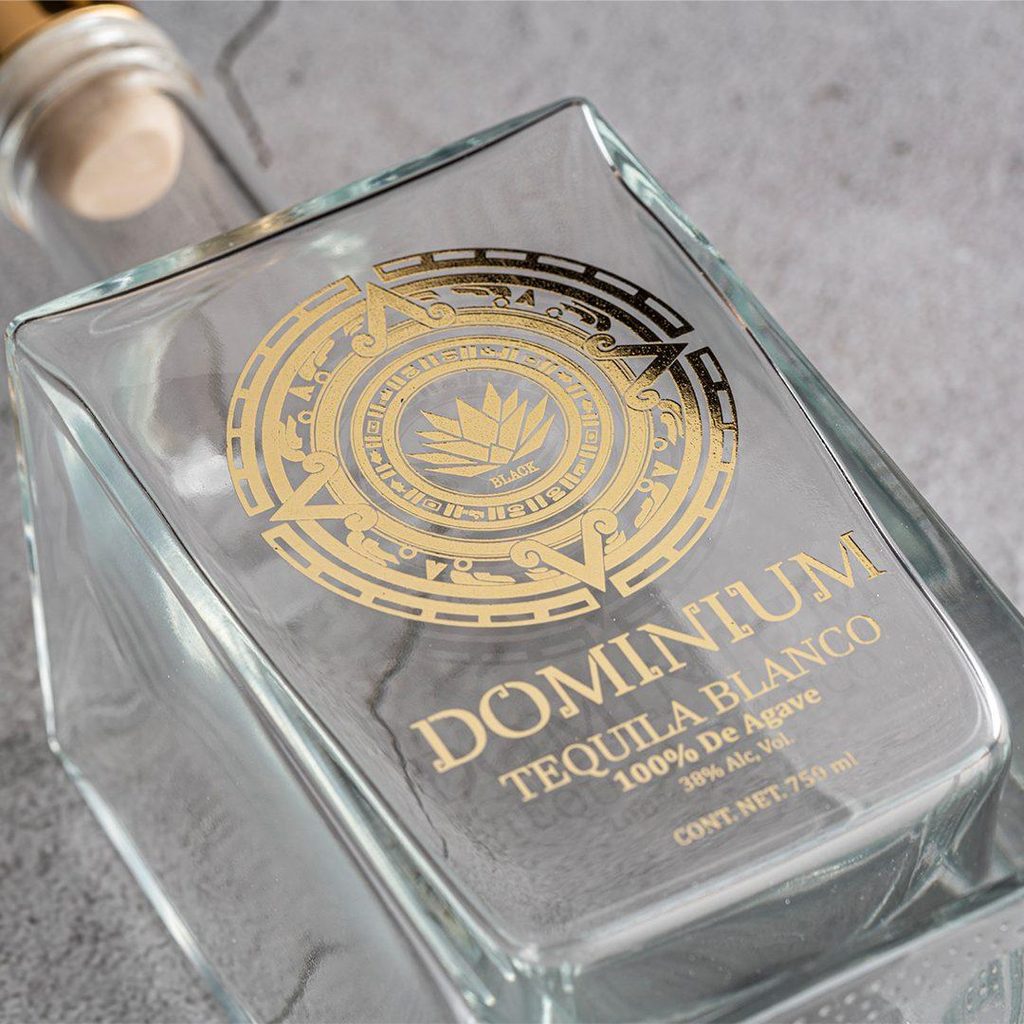
Hot stamping is a decorative process used to create metallic-looking details on packaging. It is commonly associated with gold and silver effects, although other foil finishes may also be available.
For glass bottle decoration, hot stamping generally requires a suitable surface or coating system that allows the foil to transfer and adhere properly. Compatibility should be evaluated before selecting this method.
Hot stamping is often used for brand names, logos, borders, and other small decorative details on premium packaging.
Key features:
- Creates metallic decorative effects.
- Suitable for logos, lettering, and selected graphic details.
- Adds visual contrast to simple bottle designs.
- Can complement color coating and other finishing methods.
For example, a dark coated liquor bottle with a gold brand logo can create a distinctive premium appearance.
When considering hot stamping, confirm the applicable surface treatment, foil color, design size, and placement. Sample approval is important because the final result depends on the interaction between the foil, surface, and application process.
5. Embossing and Debossing
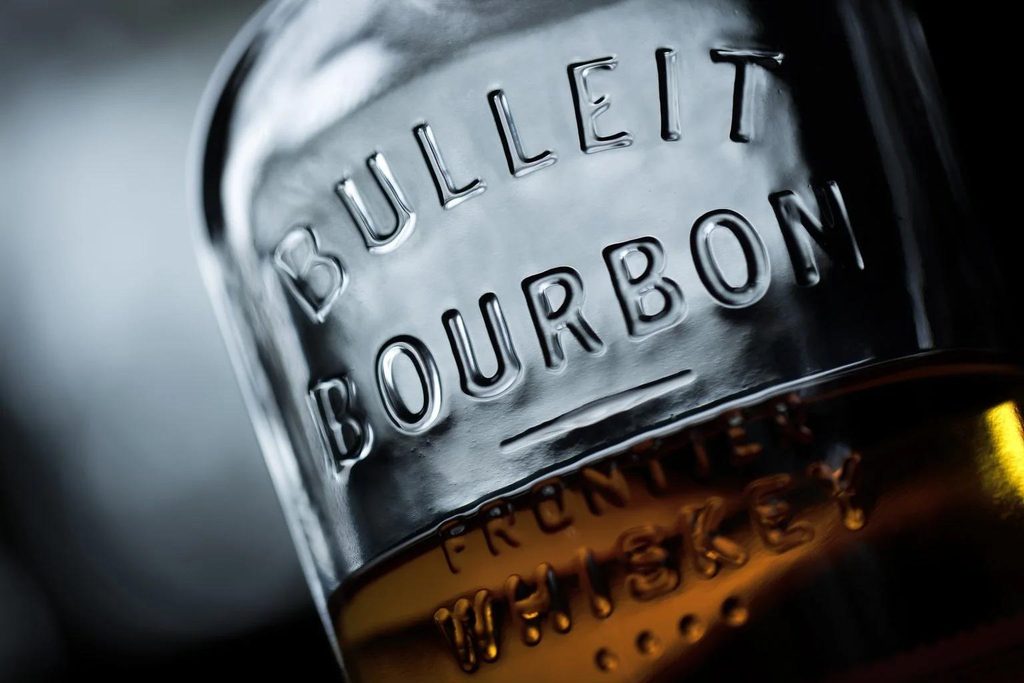
Embossing and debossing create raised or recessed designs directly in the glass. Unlike printing and coating, these effects are formed through the bottle mold during manufacturing.
Embossing produces raised details, while debossing creates recessed patterns or lettering. Both methods can be used for brand names, logos, decorative lines, and distinctive bottle textures.
They are particularly suitable for custom liquor bottles and other packaging where bottle shape and physical details are part of the brand identity.
Key features:
- Creates permanent three-dimensional details in the glass.
- Can incorporate logos and patterns into the bottle structure.
- Does not rely on an applied printed image for the raised or recessed effect.
- Can help distinguish a custom bottle design from standard packaging.
Because these details are formed during manufacturing, they need to be considered during the bottle design and mold development stages.
The size, depth, and location of the design should be reviewed to ensure that the details are compatible with the manufacturing process.
If you are developing a completely new bottle shape, discuss embossing and debossing requirements with your manufacturer before finalizing the mold design.
6. Labeling
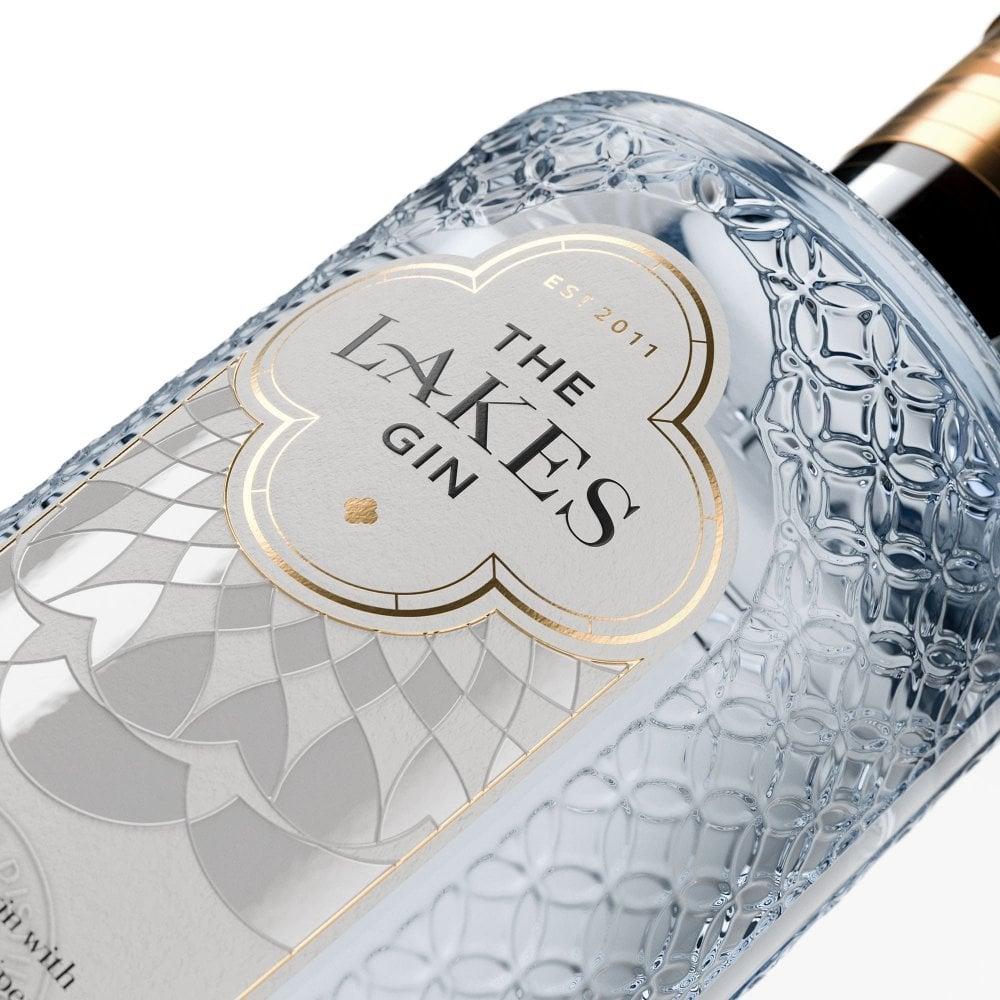
Labeling is another popular option for customizing glass bottle packaging. Instead of printing directly onto the glass, labels are applied to the bottle surface to display brand names, product information, graphics, and regulatory details.
Common options include paper labels, transparent labels, and specialty decorative labels.
Labeling is widely used for wine and liquor bottles, beverage packaging, food jars, and other glass containers.
Key features:
- Supports detailed graphics, text, and product information.
- Offers flexibility in label shape, size, and material.
- Allows branding to be updated without changing the glass bottle design.
- Can be combined with other bottle decoration methods.
Compared with direct screen printing, labeling can provide more flexibility when packaging requires extensive text or complex artwork.
However, the label material and adhesive should be suitable for the bottle surface and intended conditions. Moisture, refrigeration, handling, and storage may affect label performance.
How to Choose the Right Glass Bottle Decoration Method
The best decoration method depends on what you want your packaging to achieve. Before making a decision, consider the following factors.
1. Brand Identity and Design
Start with the visual style of your brand. Screen printing works well for clear logos and text, while frosting creates a softer, matte appearance. Color coating offers more freedom in color selection, and hot stamping can add metallic details.
Choose a finish that supports your overall packaging design rather than combining multiple effects without a clear purpose.
2. Bottle Shape and Surface
Not every decoration method is suitable for every bottle design. Curved surfaces, narrow sections, embossed details, and limited printing areas may affect how a design can be applied.
Discuss the bottle’s shape and available decoration area with your manufacturer before confirming the artwork.
3. Production Quantity
Different decoration methods involve different equipment, setup procedures, and production arrangements. Your expected order quantity may influence which process is practical for the project.
Discuss the available options with your supplier and confirm that the selected method is suitable for your production volume.
4. Durability and Intended Use
Consider how the bottle will be filled, stored, transported, and handled by end users.
For example, coatings and printed designs may need to withstand handling and abrasion. Labels for refrigerated products may require suitable moisture-resistant materials.
The required performance should be confirmed through appropriate sample checks and testing.
5. Overall Packaging Requirements
Decoration should be considered together with closures, labels, cartons, and other packaging components.
A bottle with a simple finish may still look distinctive when paired with a suitable closure or carefully designed label. A complete packaging concept often works better than selecting decorative treatments individually.
Different decoration methods can also be combined when the materials and processes are compatible. For example, a bottle may use color coating with a screen-printed logo, or combine a frosted surface with selected decorative details.
Glass Bottle Decoration for Different Industries
Different industries have different packaging requirements. Understanding the intended application helps you select a suitable decoration method.
Liquor and Spirits Bottles
Liquor packaging often places strong emphasis on brand recognition and shelf appearance. Screen printing, color coating, hot stamping, and embossed bottle designs are commonly considered for customized spirits packaging.
For premium products, combining a distinctive bottle shape with carefully selected decorative details can create a more recognizable presentation.
Cosmetic Glass Bottles
Cosmetic packaging often focuses on appearance, color consistency, and surface texture.
Frosting, color coating, and screen printing are useful options for skincare bottles, perfume bottles, and cosmetic jars. Minimalist logos and matte finishes are popular design choices for brands seeking a clean packaging style.
Beverage Bottles
Beverage packaging needs to balance visual presentation with practical handling and product requirements.
Screen printing, labeling, and selected coating options can be used for juice bottles, specialty drinks, and other beverage containers. The decoration method should be suitable for the filling, storage, and distribution conditions.
Food Glass Jars
Food jars commonly use labels to display branding and product information. Screen printing and other decorative finishes may also be considered when a more customized appearance is required.
For products stored under refrigeration or exposed to moisture, label materials and adhesives should be selected carefully.
What Should You Consider Before Customizing Glass Bottle Decoration?
Before starting a custom decoration project, it is helpful to prepare the necessary information and confirm the details with your supplier.
1. Prepare Your Artwork
Provide your logo, design files, text, and reference images. Vector files are generally useful for printing and decoration preparation. Also specify the intended printing area and approximate dimensions.
2. Confirm Colors and Finishes
Discuss your preferred colors, surface effects, and decorative details. Color references, physical samples, or approved mockups can help reduce differences between expectations and the final product.
3. Review Samples Before Mass Production
A sample allows you to check the actual appearance of the decoration on the selected bottle. Review print placement, color accuracy, surface uniformity, and other relevant details before approving the production version.
4. Confirm Production Requirements
Discuss the order quantity, decoration process, expected lead time, and packaging requirements. Different treatments may involve different production steps, so these details should be confirmed early.
5. Agree on Quality Standards
Define the acceptance requirements for printing, coating, labels, and other decorative details. Depending on the process and intended application, testing may include adhesion, abrasion, or moisture resistance.
Clear requirements help both the buyer and manufacturer understand the expected result and maintain consistency during production.
FAQ
1. What Is the Best Printing Method for Glass Bottles?
Screen printing is a common choice for applying logos, text, and patterns directly onto glass bottles. However, the best method depends on the artwork, bottle shape, desired finish, and production requirements. Labeling may be more suitable for designs containing extensive text or complex graphics.
2. Can Logos Be Printed Directly onto Glass Bottles?
Yes. Screen printing is commonly used to apply logos and other graphics directly onto glass surfaces. The printing area, bottle shape, ink system, and curing requirements should be reviewed to achieve the desired appearance and adhesion.
3. Is Screen Printing Durable on Glass Bottles?
Durability depends on the ink formulation, curing process, glass surface, and actual handling conditions. A properly selected and processed printing system can provide good durability, but buyers should request samples and confirm relevant adhesion and abrasion requirements before mass production.
4. Can Different Decoration Methods Be Combined?
Yes. Several methods can be combined when their materials and production processes are compatible. For example, a bottle may feature color coating and screen printing, or a frosted finish with additional decorative details. The combination should be reviewed during design development and sample approval.
5. Which Glass Bottle Decoration Method Is the Most Cost-Effective?
There is no single most cost-effective method for every project. The result depends on the bottle design, artwork, production quantity, and finishing requirements. Simple printing or labeling may suit some projects, while other designs may require additional coating or decorative processes. Comparing suitable options with your manufacturer is the best way to find a practical solution.
Conclusion
Glass bottle decoration offers many ways to customize packaging, from direct screen printing and surface frosting to color coating, hot stamping, embossed details, and labeling.
Each method creates a different appearance and has its own production requirements. The right choice depends on your brand design, bottle specifications, intended application, and expected production quantity. Whether you are developing liquor bottles, cosmetic packaging, beverage containers, or food jars, it is important to confirm the decoration process and review samples before mass production.
At Tianpu, we work with customers on glass bottle packaging projects for different applications. Share your bottle design, reference images, and decoration requirements with our team to discuss suitable customization options for your brand.