

When it comes to storing small quantities of liquids—especially essential oils, serums, or other concentrated products—understanding bottle sizes is important for both users and brands. Many people encounter 4 oz bottles regularly, but there is often confusion about their actual size, how they compare to smaller containers like mini vials, and which size works best for specific uses. Essential oil dropper bottles and mini vials are also popular choices for small-volume storage, each serving unique purposes based on their size and design.
How Big Is a 4 oz Bottle? Understanding the Actual Dimensions
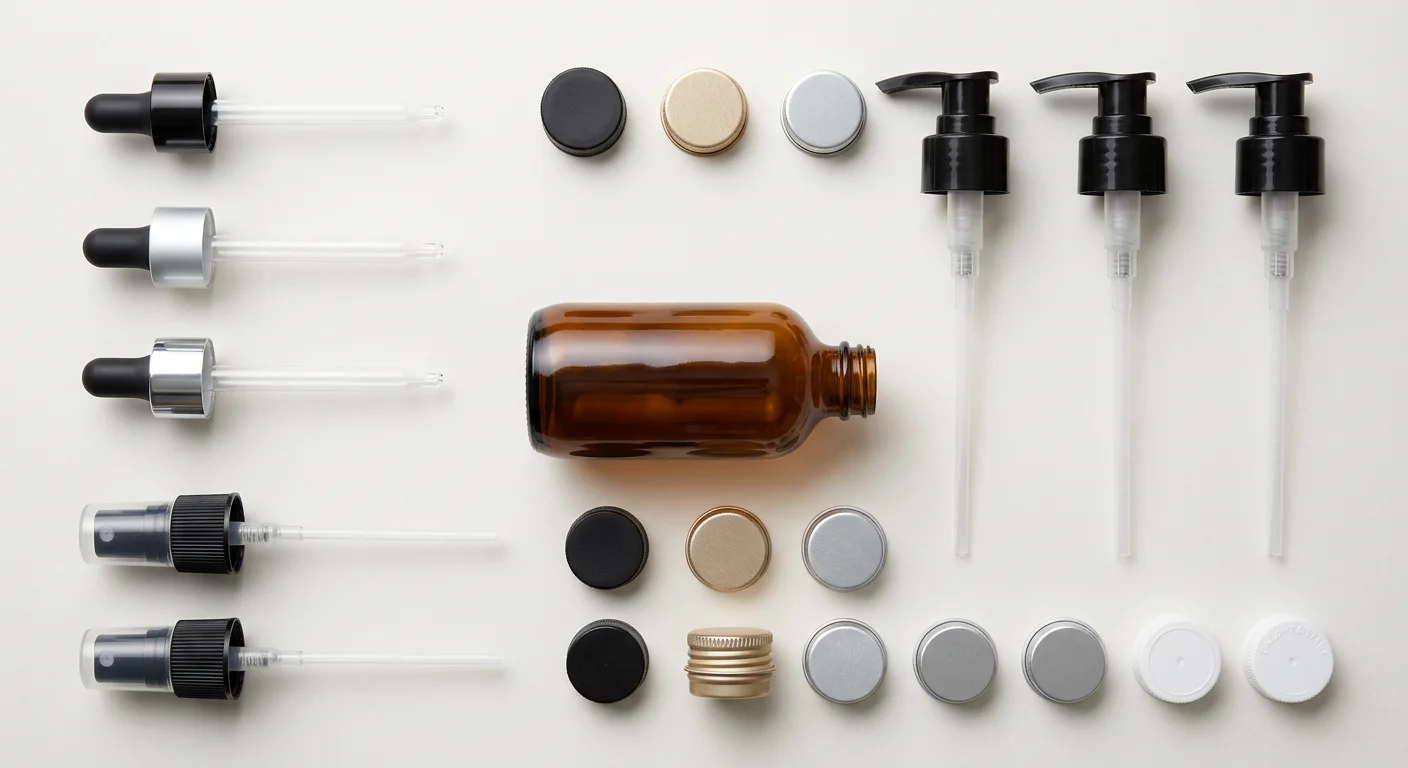
Four fluid ounces equals 118–120 ml. But that number alone doesn’t tell you much about what you’re holding.
Here’s a better way to picture it. A 4 oz Glass Bottle fits in one hand. It stands about as tall as a deck of playing cards — maybe a centimeter or two shorter. It’s not a miniature. It’s not a bulk container. It sits in that practical middle ground, which is why it’s one of the most used sizes in personal care and specialty products.
What fits inside 118 ml?
-
Essential oils: A 4 oz bottle holds enough oil to fill 6–8 standard 15 ml roller bottles. For aromatherapy sellers, that’s a solid working quantity. You can fulfill small orders without needing a larger vessel.
-
Liquid skincare (serums, facial oils, toners): At normal daily use, a 4 oz bottle of toner lasts the average user four to six weeks. That puts it right between travel-size inconvenience and bulk-size hesitation — a range most buyers find comfortable.
-
Specialty food products (hot sauce, infused vinegars, syrups): A 4 oz fill gives you close to 24 teaspoon-sized servings. That’s enough for a customer to experience the product and decide if they want more.
Why dimensions matter for choosing bottle tops
A 4 oz glass bottle stands 4 to 5 inches tall. The neck diameter runs 18–24mm, depending on the style. These measurements determine which closure fits. A Boston round at this size takes an 18-400 or 20-400 cap finish.
Getting the dimensions right goes beyond looks. It’s the first step to picking a bottle top that fits and functions the way it should.
4 oz Bottle Dimensions by Style: Boston Round, Cosmo Round, Square & More
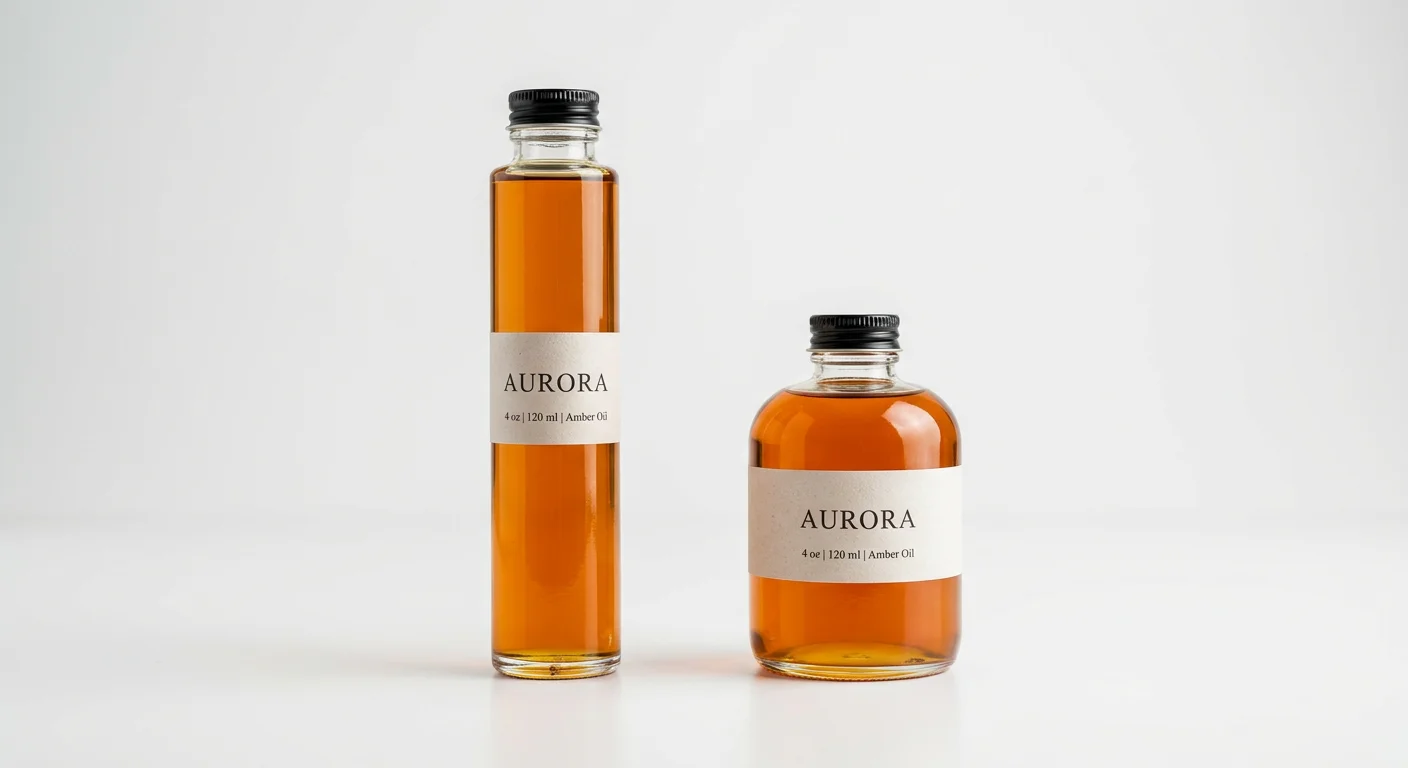
Same volume. Completely different bottle.
Most buyers don’t realize this until the shipment arrives. Picture two glass bottles — both labeled 4 oz, both holding 118 ml. One stands nearly as tall as a smartphone. The other barely clears a deck of cards. The liquid inside is identical. The bottle is not.
This matters more than it sounds. Shelf placement, label design, shipping box layout, even how a customer picks up and holds the product — all of it changes based on the style you choose. Here’s how the four main styles compare.
Boston Round
The Boston round is the default. Most people picture a small glass bottle with a cylindrical body, rounded shoulders, and a narrow neck. That’s this one. At 4 oz, a Boston round measures 4.75 to 5.25 inches tall, with an outer diameter around 1.75 inches.
The proportions feel balanced. Not too tall, not too squat. The rounded shoulders absorb minor impacts without putting stress on any single point. That’s part of why this shape has been standard in pharmaceutical and personal care packaging for over a century. It fits an 18-400 or 20-400 cap finish and works with almost every closure type in this guide:
-
Dropper assemblies
-
Lotion pumps
-
Fine-mist sprayers
-
Standard screw caps
Cosmo Round
The Cosmo round shares the same base footprint as a Boston round, but the body stretches much taller. At 4 oz, expect a height of 6.0 to 6.5 inches — a full inch and a half taller than a Boston round holding the exact same volume.
That extra height comes from a narrower diameter. The slimmer body forces the liquid to stack higher. The result looks elegant — long, slender, the kind of profile that reads as premium on a skincare shelf.
But that narrowness has a practical downside. Tall, narrow Glass bottles have a higher center of gravity. They tip over more easily. On a retail display or bathroom counter, that’s a real issue, not just an aesthetic detail.
-
Choose the Cosmo round when visual height signals value to your customer
-
Skip it when stability matters more than presentation
Square (French Square)
Square glass bottles go the other direction. A 4 oz French square stands just 4.0 to 4.25 inches tall — shorter than any round style at the same fill volume. The wider, flat-sided body spreads volume out sideways rather than building height.
That low profile gives you real advantages:
-
Stability — square bottles resist tipping
-
Clean label surface — flat sides hold labels without any curve distortion, which matters for detailed artwork
-
Efficient packing — no wasted space between bottles in a shipping box or storage unit
The tradeoff is shelf presence. Square bottles don’t project height, so they don’t read as premium by default. They work well for hot sauce, specialty vinegars, and herbal tinctures — products where the label and the contents do the selling.
Sauce / Woozy Bottle
The woozy bottle is the outlier. It has a wide, squat base that tapers up into a long, narrow neck. That silhouette exists for one reason: controlled pouring. At 4 oz, the total height runs around 5.25 to 5.75 inches, but the neck takes up a large share of that.
The neck is the feature. It slows the pour rate on its own — exactly what hot sauce and infused oil products need. You don’t pour a woozy bottle. You tip it and wait. That turns a functional design choice into a ritual customers connect with the product.
Why the Height Difference Matters Before You Order
|
Style |
Approx. Height (4 oz) |
Key Advantage |
|---|---|---|
|
Boston Round |
4.75–5.25 in |
Versatile, stable, universal closure fit |
|
Cosmo Round |
6.0–6.5 in |
Premium visual height, slim profile |
|
French Square |
4.0–4.25 in |
Stability, flat label surface, efficient packing |
|
Woozy / Sauce |
5.25–5.75 in |
Controlled pour, distinctive silhouette |
Know your bottle style before you pick a closure. A cap finish that fits a Boston round won’t fit a Cosmo round — even at the same fill volume. The bottle style sets the neck diameter. The neck diameter decides everything that goes on top.
4 oz Essential Oil Dropper Bottles: Materials, Closures & Compatibility
Amber glass isn’t a design choice. It’s a chemical decision.
UV light breaks down volatile organic compounds. Essential oils are made up of volatile organic compounds — nearly all of them. Put those two facts together, and the material question answers itself. Amber glass blocks wavelengths between 290 and 450 nanometers. That’s the UV and violet-light range where light damage hits hardest. Clear glass blocks almost none of it. Oils like lavender, frankincense, or any citrus blend stored in clear glass under normal shelf lighting will oxidize faster. The scent shifts. The therapeutic compounds break down before they should.
That’s why amber glass leads the essential oil market at the 4 oz size. Not because it looks apothecary-authentic — though it does. Because it works.
Clear glass has a narrow but real use case. Some oils are light-stable — certain carrier oils, some synthetic fragrance blends. You want the liquid visible for retail display? Clear glass works fine for those. But for pure essential oils that need to hold potency over time, amber is the safe default. You’d need a solid reason to move away from it, not toward it.
Dropper, Pump, or Spray: Matching the Closure to the Oil
The bottle protects the contents. The closure controls how those contents reach the customer. At 4 oz, three closure types cover most essential oil applications. Each one fits a different use pattern.
Dropper assemblies
A glass dropper with a rubber bulb gives you precise, drop-by-drop control. That precision matters in aromatherapy — a few drops in a diffuser or carrier oil is often the full dose. The dropper limits over-dispensing. That protects the customer and keeps the product’s value intact. On a 4 oz Boston round with an 18-400 or 20-400 finish, dropper assemblies seat well and deliver a professional, clinical look. Buyers who care about quality respond to that.
One thing to watch: not all dropper bulbs work with all oils. Standard rubber bulbs can absorb high-concentration essential oils over time. The rubber swells or breaks down. For strong oils — clove, cinnamon bark, oregano — choose droppers with a natural latex or oil-resistant synthetic bulb. Or skip the dropper and use an orifice reducer cap instead.
Lotion pumps
A pump closure works best when the oil is diluted into a ready-to-use serum or body oil. Pure essential oils at 4 oz don’t suit pump heads — each stroke dispenses too much for therapeutic use. But a blended facial oil or massage blend at 4 oz? A pump gives the customer a controlled, consistent amount. No measuring needed.
Fine-mist sprayers
Room sprays, linen mists, and diluted aromatherapy blends pair well with a fine-mist spray head on a 4 oz glass bottle. This closure works better with water-based or lightly diluted blends than with straight essential oils. Undiluted oils can clog the sprayer’s dip tube over time.
The closure you pick sends a signal before the customer ever opens the bottle. A dropper says precision. A pump says ease. A sprayer says ambient use. Match that signal to what the product does, and the packaging becomes part of the pitch.
How Many Drops Does a 4 oz Bottle Hold? Drop Count & Practical Estimates
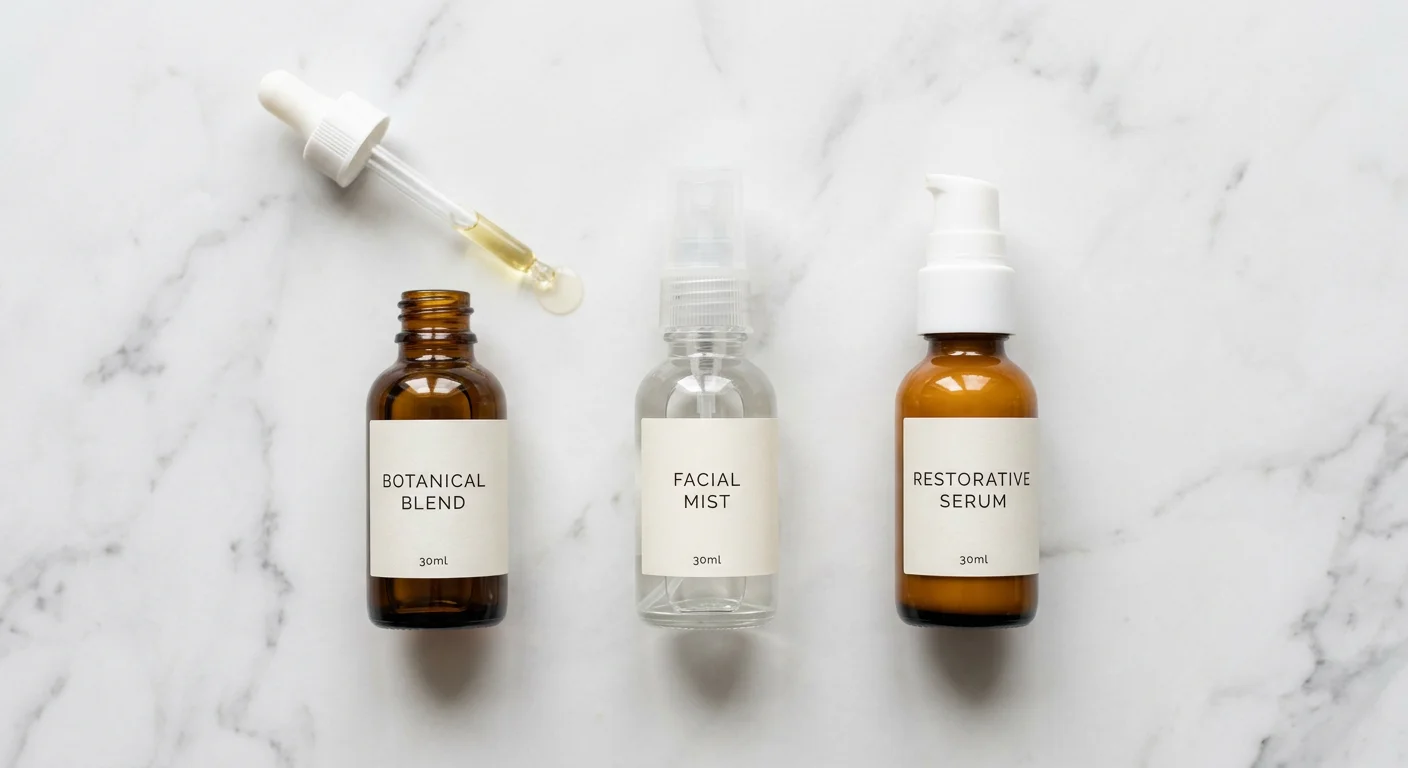
The number surprises most people the first time they do the math.
A standard drop of essential oil measures 0.05 ml. A 4 oz glass bottle holds 118 ml. Run the division and you land at 2,360 drops. That’s not a guess — it’s a consistent figure across most dropper assemblies with normal-viscosity oils. Thicker oils like sandalwood or vetiver produce larger drops. Thin oils like lemon or eucalyptus run smaller. Still, 2,300 to 2,400 drops is a solid working range for planning purposes.
What That Drop Count Means in Real Use
Raw numbers need context to be useful. Here’s where it gets practical.
At a 2% dilution — the standard for most adult topical blends — you add 12 drops of essential oil per 30 ml of carrier oil. A 4 oz carrier blend bottle holds 118 ml total. That works out to 48 drops of essential oil per finished bottle.
Start from 2,360 total drops. One 4 oz glass bottle of straight essential oil fills 49 blended 4 oz bottles at a 2% dilution. For a small skincare or aromatherapy operation, that’s a solid production number to plan around.
Bump the dilution to 3% — the right range for muscle blends or stronger therapeutic formulas — and each finished blend bottle takes 72 drops. Your 4 oz supply bottle covers 33 finished product bottles at that rate.
How Long Does a 4 oz Bottle Last in Daily Use?
Here’s a quick breakdown based on dilution rate:
|
Dilution |
Drops Per 4 oz Blend |
Blended Bottles from One 4 oz Supply |
|---|---|---|
|
2% |
~48 drops |
~49 bottles |
|
3% |
~72 drops |
~33 bottles |
A solo practitioner filling daily retail orders can stretch one 4 oz essential oil bottle across several weeks of production before needing to restock. It’s not too small to run short fast, and not so large that oxidation becomes a risk before you use it up. That balance is exactly why the 4 oz size became a standard working quantity in the aromatherapy trade.
Mini Vials vs 4 oz Bottles vs Essential Oil Dropper Bottles: Which Do You Need?
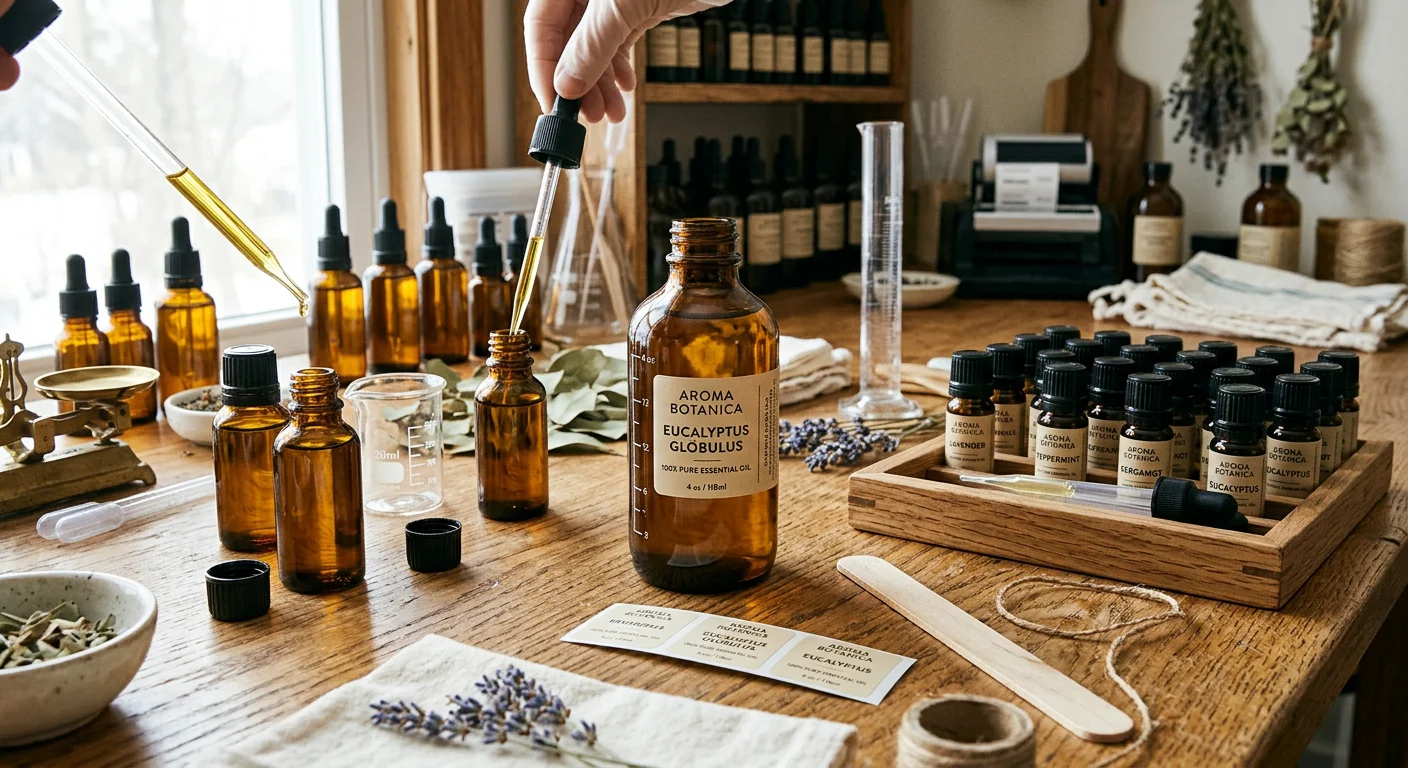
Three containers. Three different jobs.
Most buyers mix them up because they all hold liquid and they all come in glass. That’s where the similarity ends. Picking the wrong one doesn’t just cause inconvenience — it changes how a product performs, how a customer experiences it, and how well your operation runs.
Here’s how to tell them apart.
Mini Vials (0.1–20 ml): Built for Precision, Not Volume
Mini vials do one thing: deliver small, controlled quantities. Sample kits, test batches, precise formulation work — that’s what they’re built for. Sending out trial sizes? Dividing a reference oil into testable portions for a lab? A mini vial handles that better than any other format. You get exact, repeatable quantities in a sealed glass environment.
What mini vials don’t do is scale. They’re not a storage solution. Filling twenty 1 ml vials from a larger stock bottle isn’t a system — it’s a bottleneck.
4 oz Glass Bottles: The Working Standard
At 118 ml, the 4 oz glass bottle lives in the production zone. It’s large enough to be useful — you’re not stopping to refill every few minutes — and small enough that oils with a two-year shelf life don’t oxidize in the bottle before you finish them. For retail, it’s the size customers come back to buy again. For wholesale blending, it’s a solid stock quantity. You can plan production runs without locking yourself into bulk-level inventory.
Essential Oil Dropper Bottles: The Last Mile
Dropper bottles handle delivery. They’re the format your product reaches the end user in — not the format you keep your stock in. A customer picking up a glass bottle with a dropper expects portability, precision, and controlled application. One drop at a time. That’s the whole design logic behind the format.
The distinction that matters: mini vials are for sampling, 4 oz glass bottles are for working and selling, and dropper bottles are for the customer’s hands. Matching format to function isn’t just a packaging choice — it’s a product choice.
Conclusion
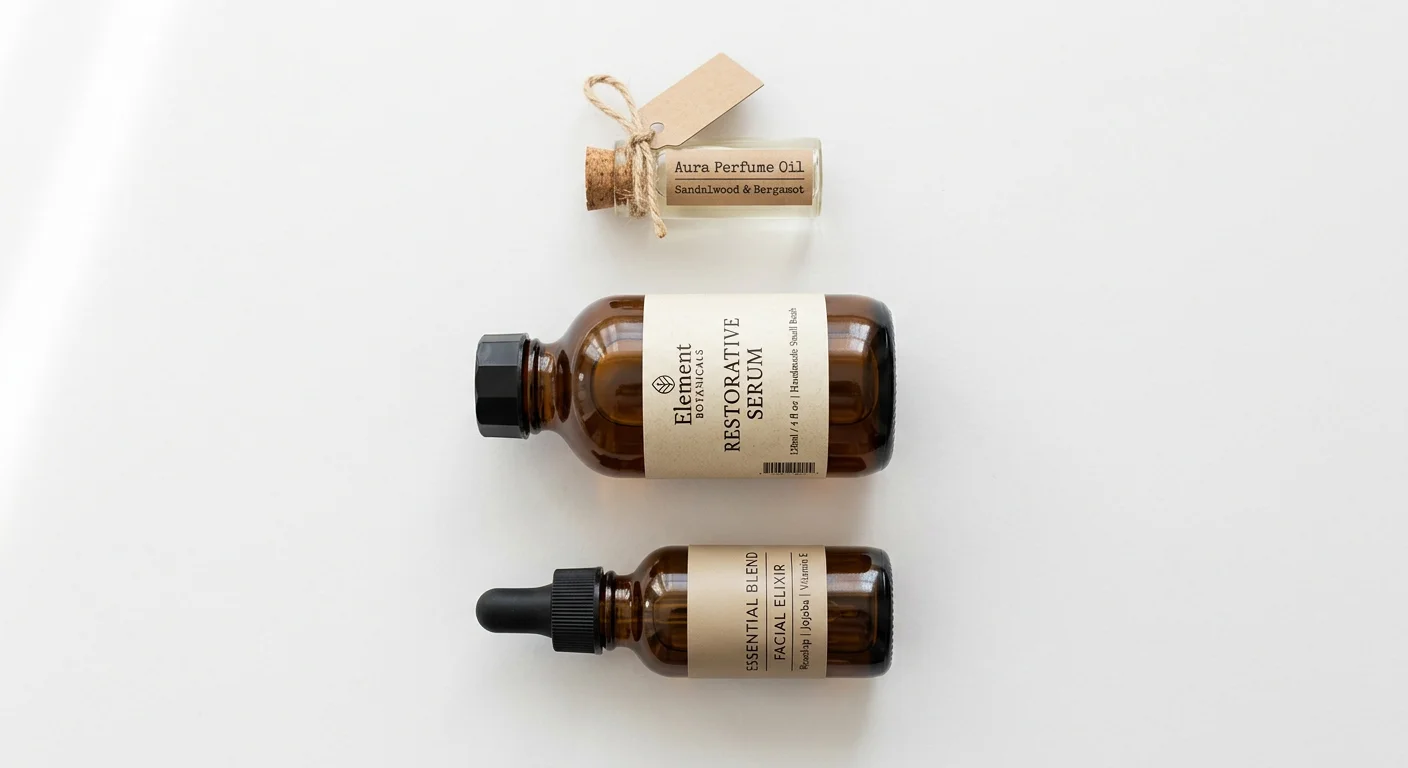
In conclusion, understanding the size of a 4 oz bottle and how it compares to mini vials and essential oil dropper bottles is key to choosing the right container for your liquid products, whether you’re a brand or a consumer. 4 oz bottles offer a versatile middle ground for storage, while mini vials and dropper bottles excel for small, precise doses—especially for essential oils and concentrated formulas. As a professional TP Glass Bottle Manufacturer, we specialize in crafting high-quality 4 oz bottles, mini vials, and essential oil dropper bottles tailored to your needs. Our glass containers are designed for durability, functionality, and clarity, ensuring your products are stored safely and presented professionally, helping you meet the unique requirements of your brand and customers.