

For beauty brands, choosing the right packaging material is a critical decision that impacts multiple aspects of their business, from product protection and consumer experience to brand image and operational costs. Picking between glass cosmetic packaging and plastic goes far beyond cost-per-unit. It shapes your brand’s perceived luxury, your sustainability commitments, your supply chain realities, and the unboxing moment your customer will either photograph or forget. This guide will break down the key differences between glass and plastic cosmetic packaging, helping beauty brands make informed choices that align with their product needs, brand positioning, and long-term goals.
What Is Cosmetic Packaging Material and Why It Defines Your Brand
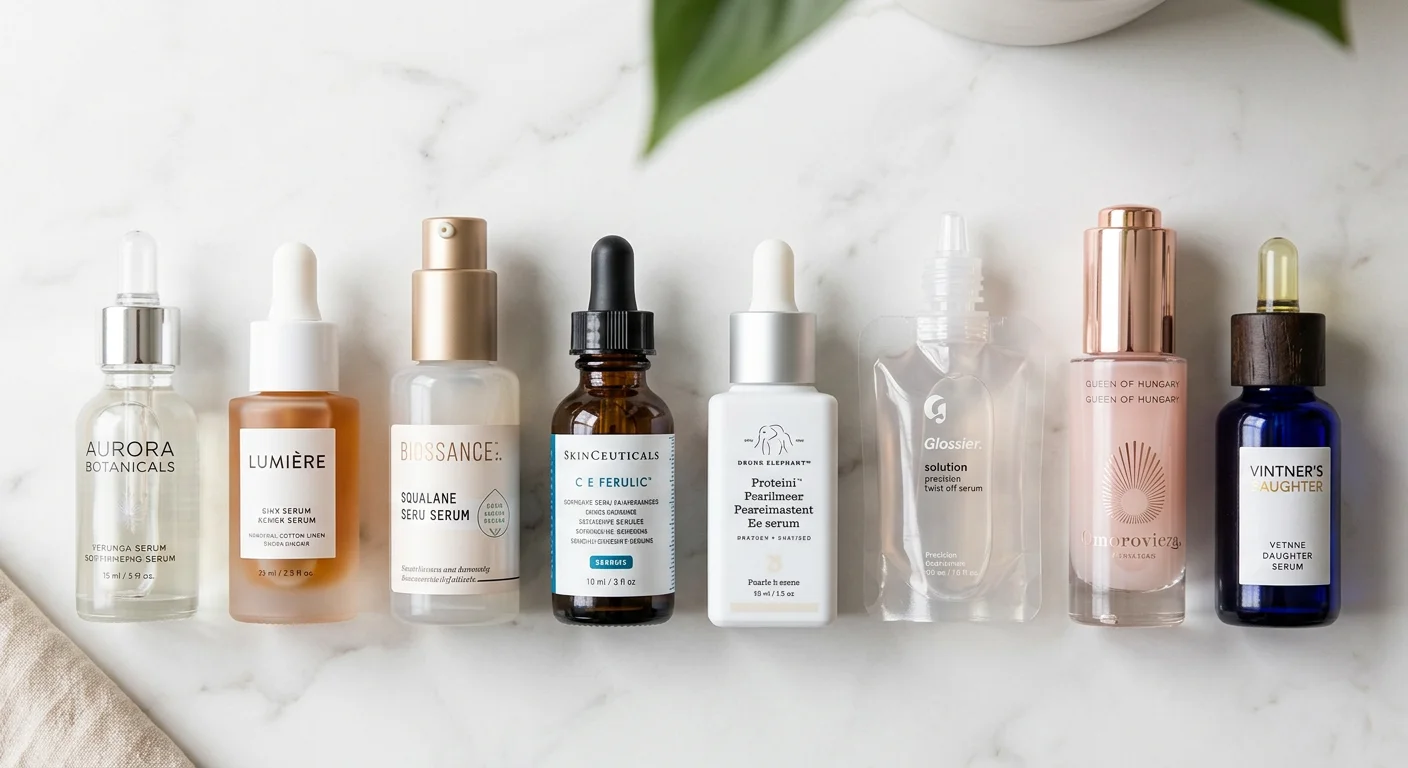
Material shows up on every shelf, in every bathroom, and in every first impression. A customer picks up your product before reading the label or smelling the formula. That first touch already shapes their opinion.
The global cosmetic packaging market backs this up. Glass holds a strong position in the premium beauty segment. The broader cosmetic packaging industry was valued at over $30 billion in 2023 and is on track to grow through 2028. Glass packaging is growing at a faster rate than plastic among prestige and clean beauty brands. Two forces are pushing this: shifting consumer values and tighter sustainability regulations across the EU and North America.
The numbers connect straight to revenue. Products packaged in glass command an average retail price 30–40% higher than the same formulas in plastic. That price gap isn’t random. Customers pay more because glass feels like more. It turns perception into a purchase decision.
Your packaging material speaks before your marketing does. It tells shoppers:
- Quality tier — luxury or mass market
- Brand values — sustainable, clinical, indulgent
- Consumer trust — ingredient integrity, product purity
Picking between glass cosmetic packaging and plastic goes beyond packaging. It’s a brand positioning call — one that builds or limits your brand’s value with every unit sold.
Glass Cosmetic Packaging: Characteristics, Benefits, and Best-Fit Scenarios
Glass doesn’t ask for your attention. It earns it.
The most iconic bottles in beauty history — La Mer’s thick-walled jar, Chanel No. 5’s rectangular flacon, SK-II’s simple amber vessel — have never been replaced with plastic. There’s a reason for that. Glass has a physical presence that plastic can’t replicate. It communicates permanence, purity, and purpose the moment you hold it.
The Science Behind the Luxury
Glass is chemically inert. That’s not marketing language — it’s material science.
Plastic contains polymer chains that release compounds over time. Glass doesn’t. It won’t react with whatever you put inside it. That’s critical for formulas built around Vitamin C, Retinol, or Niacinamide . These actives are highly sensitive to oxidation and contamination. Plastic packaging can quietly degrade formula integrity over months — sitting on a warehouse shelf or in a warm bathroom. Glass keeps the formula intact, exactly the way your chemist made it.
That’s why glass serum bottles and glass dropper bottles have become the standard format for high-performance skincare. The packaging isn’t decorative. It protects the investment inside.
Where Glass Dominates the Market
The data is clear:
- Over 70% of prestige skincare brands at the $80+ price point use glass as their primary packaging material
- In the fragrance category, glass holds near-total market dominance — more than 90% of fine fragrances worldwide are housed in glass
- Consumer preference surveys show, again and again, that shoppers link glass packaging with higher ingredient quality and brand trustworthiness — regardless of what’s actually inside
These aren’t shallow perceptions. They shape purchase decisions. On a crowded beauty shelf or a product page you’re scrolling through, luxury cosmetic packaging in glass sends an instant visual and tactile signal. It raises perceived value before a single word gets read.
The Brands Glass Is Built For
Glass cosmetic packaging works best in specific situations:
- Serums and facial oils — active ingredient protection is non-negotiable here
- Luxury skincare lines — the unboxing moment is part of the product experience itself
- Fragrance and eau de parfum — glass is the standard, not the exception
- Clean and sustainable beauty brands — recyclable packaging backs up the brand’s environmental position
- Clinical and dermatologist-backed lines — glass purity signals scientific credibility in a way plastic can’t
Your customer reads your ingredient list. They care about what houses the formula. Your brand sits at the point where performance meets aesthetics. For brands like that, Glass Jars for cosmetics and Glass Bottles aren’t just one option among many. They’re the right call.
The container should be worthy of what’s inside it. Glass makes that case without saying a word.
Plastic Cosmetic Packaging: Characteristics, Benefits, and Best-Fit Scenarios
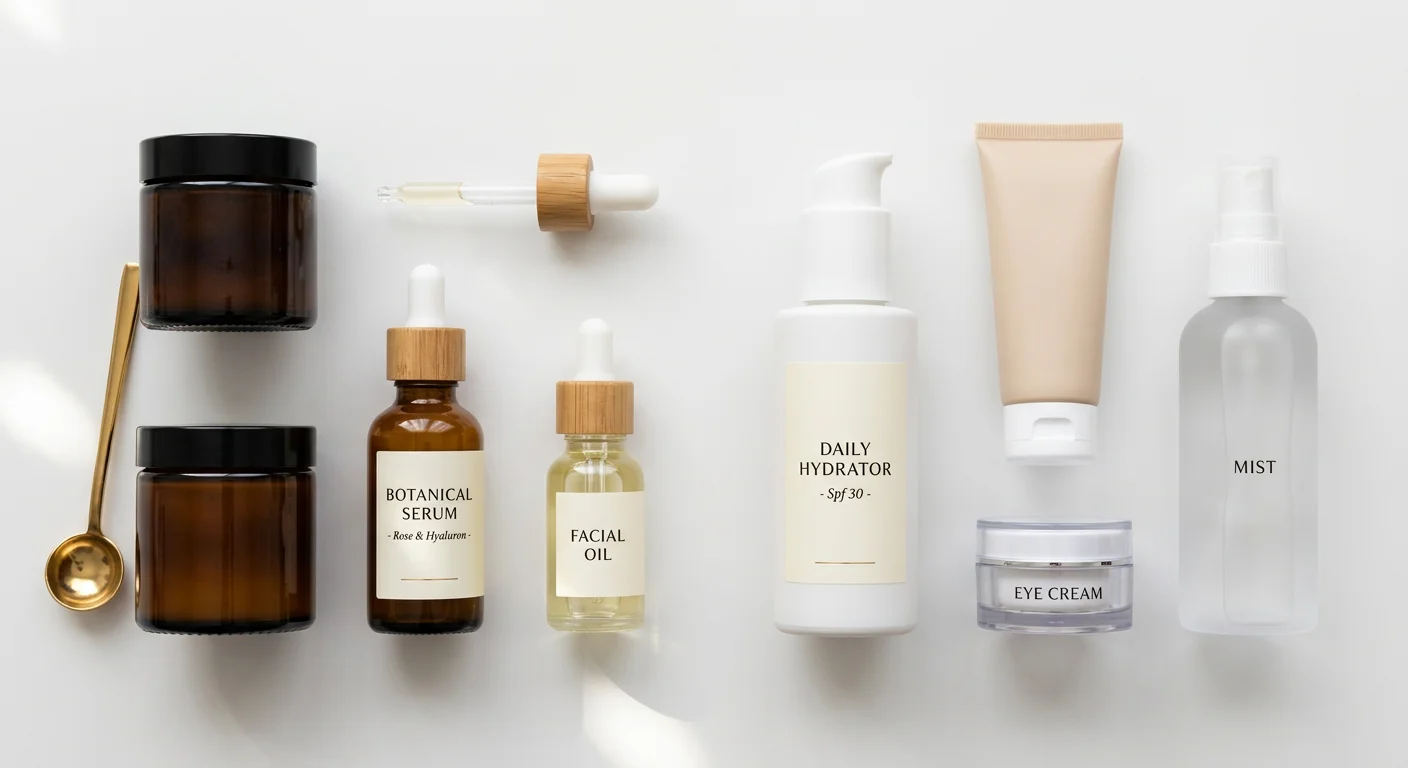
Plastic built the modern beauty industry. Walk through any drugstore aisle, scroll through any mass-market brand’s product page — plastic is everywhere. Not because it’s a compromise. Because it solves real problems at real scale.
That context matters. Before dismissing plastic as the “other” option, take a closer look at what it actually offers and where it performs best.
The Cost Reality
The economics of plastic packaging are hard to argue with — especially in the early stages of brand building.
- Tooling and mold costs run much lower than glass — often 50–70% less to set up initial production runs
- Per-unit production costs stay lean. That protects your margin while you’re still testing a market or a formula
- Shipping weight drops fast — plastic packaging can weigh up to 80–90% less than equivalent glass. That adds up to real freight savings across large orders
Tight budget? Launching into mass-market retail? Building high-volume SKUs? Those numbers will matter to you.
Not All Plastic Is the Same
Plastic isn’t a single material. It’s a category. The differences between plastic types affect everything from formula compatibility to your brand’s sustainability story.
PET (Polyethylene Terephthalate)
Clear, lightweight, and recyclable. PET is the go-to for lotions, toners, and shampoos. Its transparency works well for brands that want product visibility. Most municipal recycling programs accept it — giving it a clear edge over other plastics from a sustainable cosmetic packaging standpoint.
HDPE (High-Density Polyethylene)
Opaque, durable, and chemical-resistant. HDPE handles stronger formulas — think body washes, sunscreens, and salon-grade treatments. It shields UV-sensitive contents and holds up in humid bathroom conditions without warping or cracking.
PP (Polypropylene)
Lightweight and heat-resistant. PP is the standard material for pump caps, flip-top closures, and compact components. You’ll often find it used as a secondary component alongside glass or other materials — not just as a standalone container.
PCR (Post-Consumer Recycled Plastic)
This is where plastic packaging meets eco-friendly beauty packaging goals. PCR uses recycled plastic content — sometimes up to 50–100% — cutting demand for virgin materials. Major beauty brands like Garnier and Unilever have already committed to PCR targets. Need plastic’s functional benefits but want to back recyclable packaging commitments? PCR is the most credible path forward.
Where Plastic Makes Strategic Sense
Plastic stays the practical choice in specific scenarios:
- Mass-market and drugstore beauty — volume demands and retail price points fit well with plastic’s cost structure
- Travel-size and sample formats — lightweight durability cuts breakage risk during shipping
- Body care and hair care — larger format products where glass weight becomes a real logistical problem
- Flexible packaging lines — brands scaling fast gain from plastic’s lower minimum order quantities and quicker turnaround
The decision isn’t about which material is better in theory. It’s about which material fits what you’re building right now.
How to Choose the Right Cosmetic Packaging Material: A Decision Framework for Beauty Brands
Every brand hits the same crossroads: glass or plastic? The answer comes down to two things most founders overlook — who you’re building for and what you’re putting inside the bottle .
Set aside the aesthetics debates and sustainability talking points for a moment. A solid packaging decision starts with a clear look at your brand positioning and your formula’s chemistry. Get both right, and the choice becomes obvious.
Framework Axis One: Your Brand Positioning
Your brand positioning is your compass. Before you compare cost-per-unit or shipping weights, think about where you want to take your customer — and what packaging sends that signal at a glance.
Mass-market and drugstore brands run in a high-volume, price-sensitive space. Plastic fits that reality well. Lower tooling costs, faster production, and lighter freight weight all protect the margins that keep mass retail working. It’s not a compromise — it’s the right match.
Mid-tier and masstige brands sit in more complex territory. This is where PCR plastic earns its place. It gives your brand a credible eco-friendly beauty packaging story without the cost and fragility that come with full glass. Brands like Garnier have built real consumer trust on PCR commitments. Mid-market customers are watching these choices closely now — PCR signals that you take that seriously.
Premium and luxury skincare brands play a different game at the $80+ price point. The feel of glass cosmetic packaging in a customer’s hand is not optional — it’s essential. Glass carries your brand’s promise before the customer reads a single word on the label. Luxury cosmetic packaging in glass sets a quality expectation your formula then has to meet. That tension is what high-end brands need to drive.
Clean beauty and sustainable beauty brands face a values-driven decision. Your customer reads ingredient labels and studies your packaging choices. Recyclable packaging in glass backs up your environmental position in a way that feels real, not staged. Glass is endlessly recyclable with no quality loss. Your audience already senses this, even if they don’t spell it out.
Framework Axis Two: Your Formula’s Chemistry
Positioning gets you to the shelf. Formula compatibility keeps you there.
This part of the decision is more objective than brand positioning — it’s science. Ignore it, and you risk degraded products, customer complaints, and costly reformulation cycles.
Water-based formulas — toners, essences, mists — work well with both materials. PET plastic handles water-based products with no issues and keeps costs low for high-volume formats. Glass works here too. It’s a strong choice for brands that want the premium look of a glass serum bottle , even in a lighter, water-forward formula.
Oil-based serums and facial oils are where chemistry becomes critical. Oils can react with lower-grade plastics over time. That reaction pulls harmful compounds into the formula and onto your customer’s skin. Glass dropper bottles are the proven standard for a reason. For active-heavy, oil-based formulas built around plant extracts, vitamins, or essential oils — glass is not a luxury upgrade. It’s a basic requirement.
Acid-based and exfoliant formulas — AHAs, BHAs, Vitamin C serums — need close attention. These actives are reactive by design. Plastic packaging, stretched over a long shelf life, can trigger small chemical interactions that speed up oxidation or cut potency. Glass serum bottles protect formula integrity in a way no plastic option has matched at scale.
High-alcohol formulas — toners, setting sprays, facial mists with alcohol bases — break down certain plastics over time. HDPE and PET hold up reasonably well, but glass stays the most chemically stable option for brands that refuse to risk formula quality.
The Decision in Practice
Run your brand through both axes before locking in a material. A high-performance Vitamin C serum from a clean beauty brand has two reasons to go in glass: the formula needs it and the positioning calls for it. A mass-market body lotion has two reasons to stay in HDPE: the chemistry holds and the economics work.
Brands that get packaging right don’t treat it as something to figure out later. They decide on packaging at the same time as the formula — because your customer doesn’t separate the two. Neither should you.
Sourcing Glass Cosmetic Packaging: What to Look for in a Manufacturer
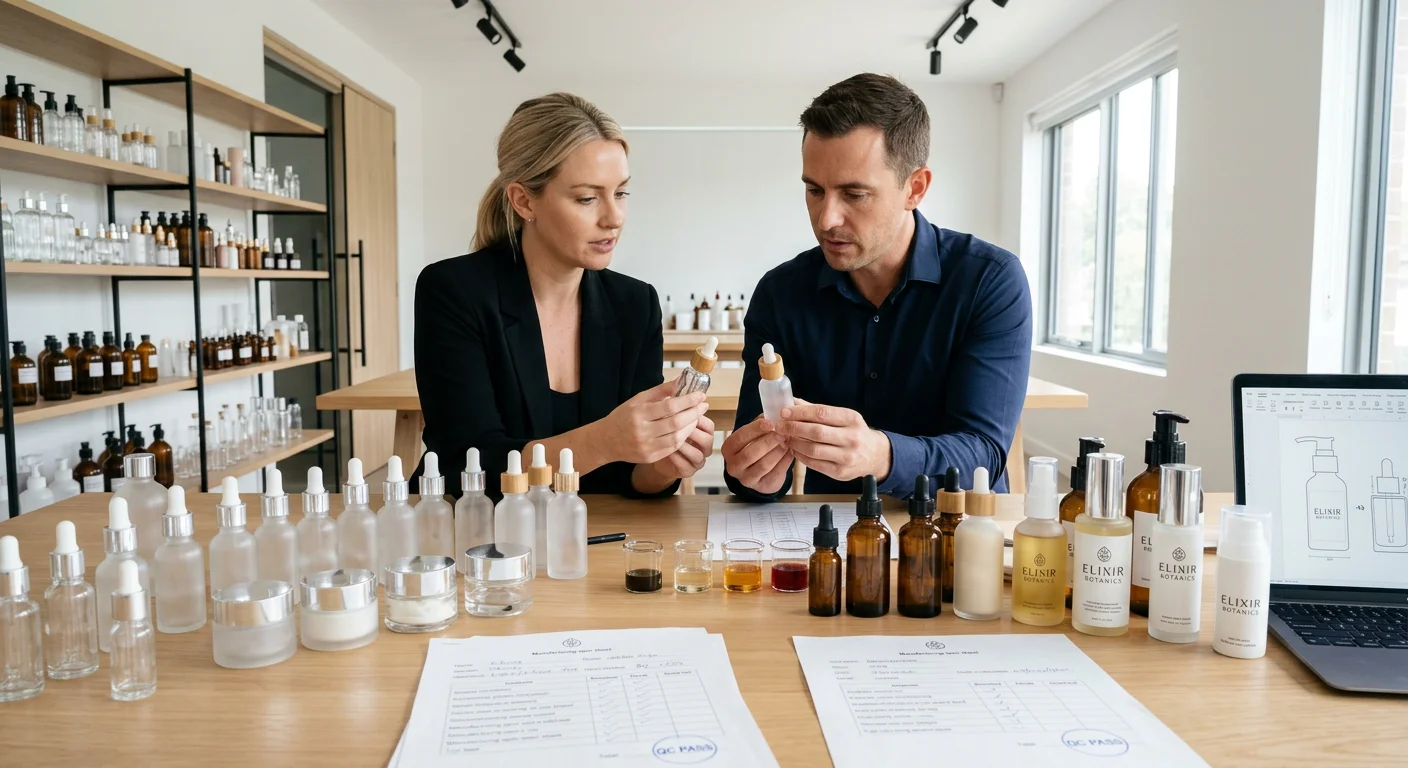
The right glass packaging manufacturer helps your brand scale without supply chain headaches. The wrong one costs you months of fixes. Your choice affects more than order fulfillment — it shapes your formula integrity, brand consistency, and long-term growth.
Evaluating a glass cosmetic packaging supplier? Focus on these fundamentals:
- Certifications — ISO 9001 is the baseline. For clean or clinical beauty lines, check that the glass meets food-grade or cosmetic-grade standards. These aren’t paperwork formalities. They prove quality is built into the production process from the start — not patched in at the end.
- MOQ flexibility — Minimums hit hardest in the early stage. Look for tiered MOQs: lower quantities for sampling runs, better pricing as volume grows. High, rigid minimums tie up capital in inventory before you’ve confirmed product-market fit.
- Customization capability — Can they produce custom molds for glass dropper bottles, glass serum bottles, and Glass jars for cosmetics? Custom shapes and finishes are what set luxury cosmetic packaging apart. A supplier locked into catalog shapes limits your ability to stand out.
- Sample lead times — A reliable manufacturer delivers samples in 2–4 weeks. Slow sample cycles push back your product development timeline and create real delays before launch.
- Quality control systems — Ask directly about defect rate benchmarks, inspection protocols, and how they manage batch inconsistencies. A strong QC process means fewer surprises once production scales.
A manufacturer who truly knows glass works differently from one who treats it as just another material.
At TP Glass Bottle Manufacturer , we focus entirely on glass cosmetic packaging — glass dropper bottles, serum bottles, jars, and custom formats built for beauty brands at every stage. Launching your first SKU or expanding a full prestige line? We offer flexible MOQs, certified production, and dedicated account support from sample to shipment.
Ready to source packaging your brand can count on? Reach out to our team for samples and a quote built around your needs.
Conclusion
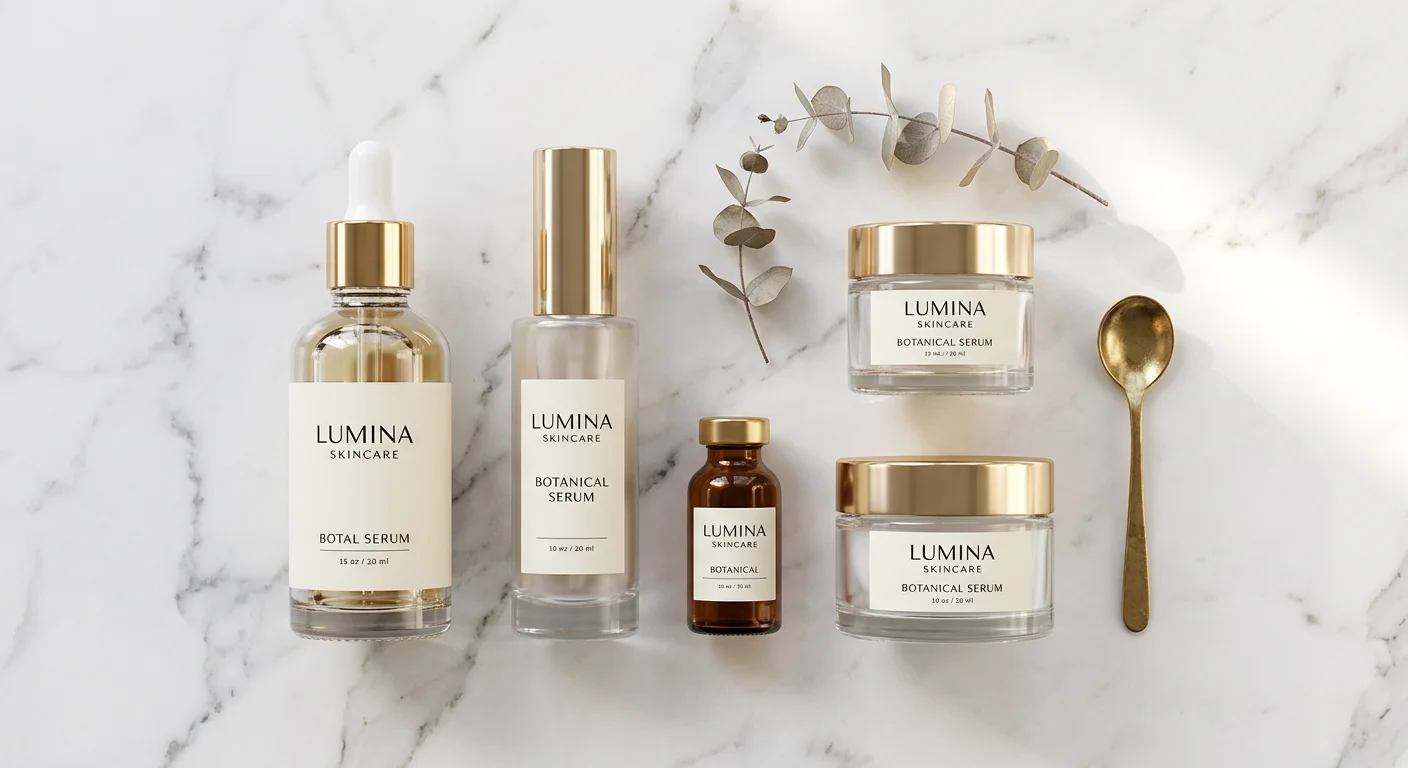
Glass cosmetic packaging delivers where it matters most: a luxury feel, ingredient protection, and a sustainability story that conscious consumers trust. Plastic has its place — for portability, lower cost, and formats that need flexibility. But building a brand with staying power? The material you choose tells customers exactly how much you care about your craft.
If you’re leaning toward glass packaging to elevate your brand and protect your formulations, TP Glass Bottle Manufacturer is here to support your needs with high-quality, customizable glass packaging solutions tailored to beauty brands.