

Glass bottles look simple on the shelf, yet turning molten glass into a strong, clean container takes tight control at every step. Even small defects in glass bottles can cause big headaches later—from cracked bottles on a filling line to leaky caps or damaged shipments.
For brands, buyers, and packaging teams, understanding glass bottle defects helps you spot risks early and work with a supplier that catches problems before shipping. Below is a clear look at why defects in glass bottles happen, the most common glass bottle defects you will see, and how proper quality checks keep your order on track.
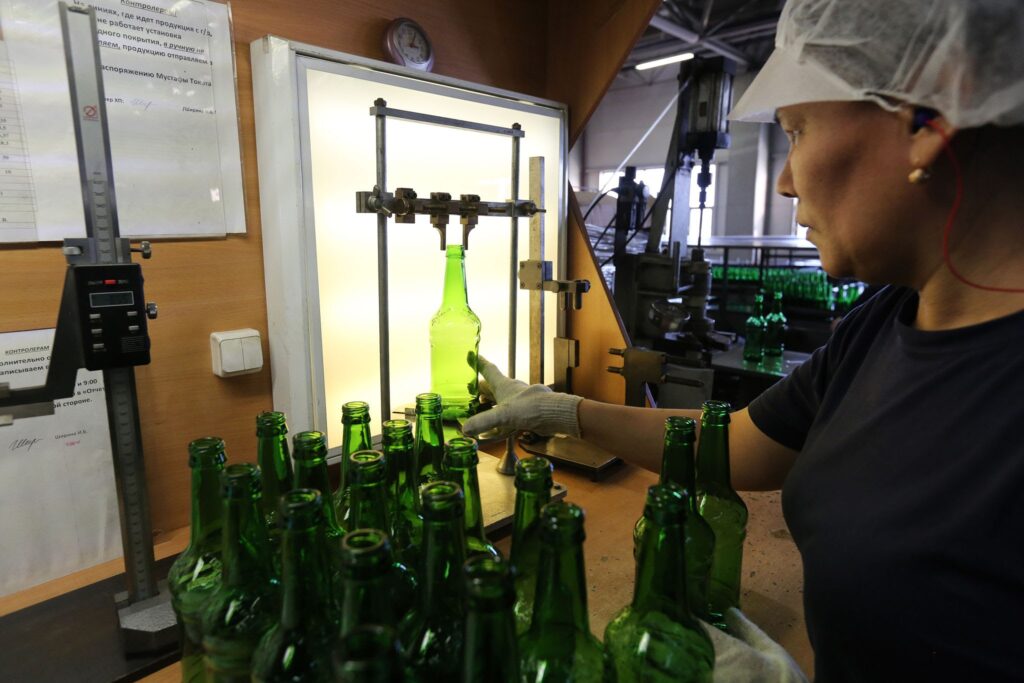
Table of Contents
Common Types of Glass Bottle Defects and What Causes Them
Most glass bottle defects start during melting, forming, or cooling. When temperatures drift or molds wear down, small issues show up in the finished glass.
1. Cracks and Checks
Cracks and checks are small fractures or hairline splits in the glass. A “check” is usually a tiny surface crack that can be easy to miss at a quick glance.
- What causes them: Uneven cooling during annealing, sudden temperature swings, or bottles bumping against metal guides, molds, or conveyor parts.
- Why they matter: A bottle with cracks and checks may break under internal pressure, fail thermal shock tests, or crack during filling and shipping.
2. Bubbles, Seeds, and Blisters
Tiny trapped gas pockets are among the most common glass bottle defects. Small ones are often called seeds, while larger ones are bubbles or blisters.
- What causes them: Raw materials that do not melt or refine evenly, furnace temperature shifts, or hot spots during glass forming.
- Why they matter: A few tiny bubbles rarely ruin a bottle’s function, but heavy bubbles hurt clarity—especially for spirits, beverages, and skincare packaging—and can weaken thin spots.
3. Stones
Stones are tiny unmelted specks of raw material or small bits of furnace refractory material stuck inside the glass.
- What causes them: Inconsistent batch mixing, raw material variations, or wear inside the melting furnace over time.
- Why they matter: Unlike simple bubbles, stones often create stress around the particle. That stress makes the bottle more likely to crack or break when handled or filled.
4. Uneven Wall Thickness
Good bottles need balanced glass distribution so the walls and base stay strong without wasting weight. Uneven wall thickness means some parts of the bottle are noticeably thinner or thicker than planned.
- What causes them: Changes in gob weight or temperature, slight mold misalignment, or uneven air pressure and cooling during forming. You can learn more about how forming shapes wall distribution in our guide to the glass bottle manufacturing process
- Why they matter: Thin walls can chip, dent-crack, or fail pressure tests, while overly thick areas add extra glass weight and shipping cost.
5. Neck Finish and Sealing Surface Defects
The neck and top rim do the hardest sealing job on the bottle. Neck finish defects include out-of-round rims, rough threads, or tiny chips on the sealing surface.
- What causes them: Worn neck molds, improper forming heat, cooling distortion, or rough handling after forming. Check our glass bottle neck finish guide to see how neck specs match closures.
- Why they matter: If the top sealing surface is uneven, caps and closures may not seal tightly, leading to leaks, lost carbonation, or spoilage.
How Glass Bottle Quality Control and Quality Inspection Work
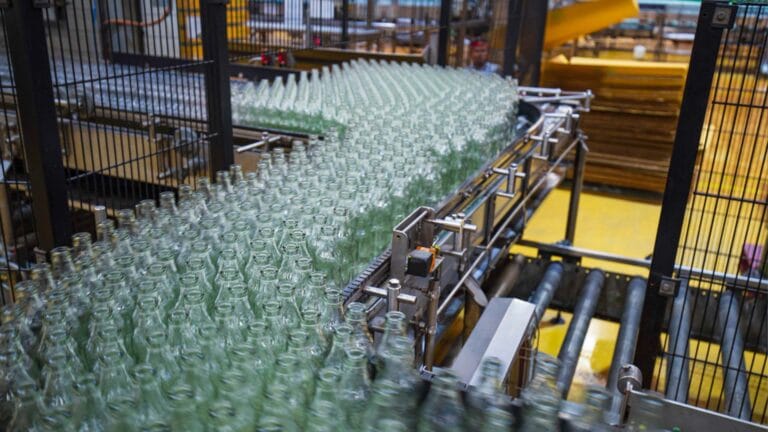
A reliable manufacturer does not rely on luck to catch glass bottle defects. Strong quality control combines automated machines on the line with regular lab checks on sample bottles.
Automated Quality Inspection on the Line
Modern plants use automated quality inspection systems right after the annealing oven (lehr) so defective bottles are pushed off the line before packing:
- Camera and vision inspection: High-speed cameras check bottle shape, height, finish dimensions, and visible surface flaws.
- Wall thickness and check detection: Sensors scan glass distribution and spot cracks and checks or sealing-surface flaws.
- Reject mechanisms: Bottles outside spec are automatically blown or pushed off the conveyor into a cullet (recycling) stream.
Lab and Batch Quality Checks
Alongside quality inspection on the line, quality control teams pull samples at set intervals for hands-on testing:
- Dimensions and capacity checks: Verifying bottle height, diameter, weight, and fill/overflow volume against drawings.
- Thermal shock testing: Moving bottles between hot and cold water to check heat resistance for hot-fill or pasteurized products.
- Internal pressure and impact tests: Testing strength for carbonated drinks, beer, or sparkling beverages.
- Annealing / stress checks: Using polarized light to confirm internal stress is properly relieved so bottles stay tough.
For a closer look at how we run quality control from raw glass to final shipment, visit our quality control standards.
Defects That Happen After the Bottle Leaves the Factory
Not every damaged bottle starts with a glass bottle defect from the plant. Sometimes bottles leave in good shape, then get damaged downstream during filling, labeling, or shipping.
- Filling and capping lines: Tight guide rails, misaligned starwheels, or over-tightened capping heads can cause cracks and checks or scuff the glass.
- Labeling and handling: Wet glass, rough belts, or high friction can leave scuff marks or scratch coatings if the bottle finish is not matched to the line.
- Transit and storage: Weak dividers, loose pallets, or heavy stacking in humid shipping containers can cause chips and breakage.
Good quality control works best when your bottle design, neck finish, and shipping carton or pallet setup match how your product is packed and moved. If you are planning a custom shape or high-clarity spirits bottle, explore our custom glass bottle manufacturing options or browse our glass liquor bottles to see practical formats.
FAQ
1. What is considered an acceptable defect rate for bulk glass bottle orders?
In commercial glass bottle manufacturing, there is no single universal percentage because acceptable limits depend on the defect type, product category, and customer quality agreement. Critical issues—such as severe cracks, checks, neck finish flaws that affect sealing, or stress-causing stones—are typically controlled through automated line inspection and strict sampling standards before shipping. Minor cosmetic variations, such as occasional tiny bubbles or light surface scuffs, may be handled differently for high-clarity spirits versus standard food or beverage containers. When placing a bulk order, it is best to align on defect definitions and inspection criteria with your supplier upfront.
2. Can small bubbles in glass bottles affect strength or shelf life?
Tiny bubbles (often called seeds) are common in glassmaking and usually do not affect a bottle’s sealing performance or shelf life on their own. For many food, beverage, or cosmetic applications, minor, isolated bubbles are purely a visual consideration rather than a structural failure. However, large clusters of bubbles, blisters, or bubbles located in thin wall areas or near the sealing rim can reduce strength or hurt visual appeal—especially on premium liquor or clear glass bottles. Checking sample bottles helps confirm that clarity matches your brand standard.
3. How do I tell if bottle breakage happened at the factory or on our filling line?
Looking at where and how a bottle breaks often gives helpful clues. Breakage tied to stones, heavy uneven wall thickness, or poor annealing may show up early during handling, pressure testing, or temperature changes. By contrast, sudden chipping on the rim, scuffing around the label area, or cracking right after capping often points to filling line alignment, guide rail pressure, cap torque, or transit impact. Sharing photos or broken samples with your manufacturer makes it much easier to trace the root cause and fix the bottleneck.
4. Should we test glass bottle samples before placing a full production run?
Yes—testing samples before full production is one of the easiest ways to prevent costly glass bottle defects and line stoppages. Running sample bottles lets your team check dimensions, cap fit and torque, label placement, and filling-line clearance under real conditions. It is especially important when switching suppliers, moving to a lighter-weight bottle, or launching a custom shape. If you need samples or want to review your bottle specs with our team, you can reach out to discuss your packaging project before scaling up.
Practical Tips for Buyers to Prevent Glass Bottle Defects
If you are sourcing glass bottles in bulk, a few simple steps during ordering can save a lot of trouble later:
- Share your filling and closure details early: Tell your supplier whether you use hot-fill, cold-fill, carbonation, or vacuum sealing, along with your cap type.
- Confirm key tolerances and inspection points: Ask what quality inspection checks are run on the line and what quality control reports come with your order.
- Test samples before full production: Run sample bottles through your filling line, capper, and labeler first whenever possible.
- Plan bulk packaging for transit: Choose dividers, layer pads, or pallet wraps suited to your shipping route and warehouse handling.
Want help checking bottle specs, sample testing, or glass bottle defects prevention for your next run? Request a quote for your packaging project and our team will help you plan a smooth order.