

There’s something remarkable about a Cobalt Blue Glass Bottle. It catches light like a piece of stained glass. And without a single word, it tells you that what’s inside deserves protection. The deep blue color isn’t just decoration. It’s a deliberate material choice built on the physics of light filtration. Perfumers, apothecaries, and essential oil makers have relied on it for centuries. So what makes cobalt blue glass different from the amber bottle sitting next to it — or the clear one? And does it matter which you choose? We’ll walk through all of it here, from the science behind the color to the packaging decisions that protect your product and your brand.
Table of Contents
What Is Cobalt Blue Glass?
Cobalt blue glass is what the name says — glass turned blue by adding cobalt oxide (CoO) during the melting process. The color is not a coating, not a film, not a surface treatment. It fuses into the material itself.
The chemistry is simple. Manufacturers add cobalt oxide at a concentration of 0.03 to 0.05 weight percent to molten glass. That small amount produces the deep, saturated blue you recognize on sight. Shift the ratio even a little, and the tone changes — lighter, darker, or more violet. The final color comes directly from the chemistry.
This matters for packaging. The pigment lives inside the glass, not on the surface. So it won’t wear off, fade under UV exposure, or chip during shipping. What you see on day one is what you get on day five hundred.
The material has a long track record. Cobalt-colored glass dates back to ancient Egypt and Mesopotamia, where it showed up in decorative objects and vessels. By the 18th and 19th centuries, European apothecaries were filling deep blue glass bottles with medicines and tinctures. That practice tied cobalt blue to the idea of preservation and care — and the association stuck.
That history didn’t make the color fashionable. It made it functional first, and recognizable second.
The Core Purpose of Cobalt Blue Glass: UV & Light Protection
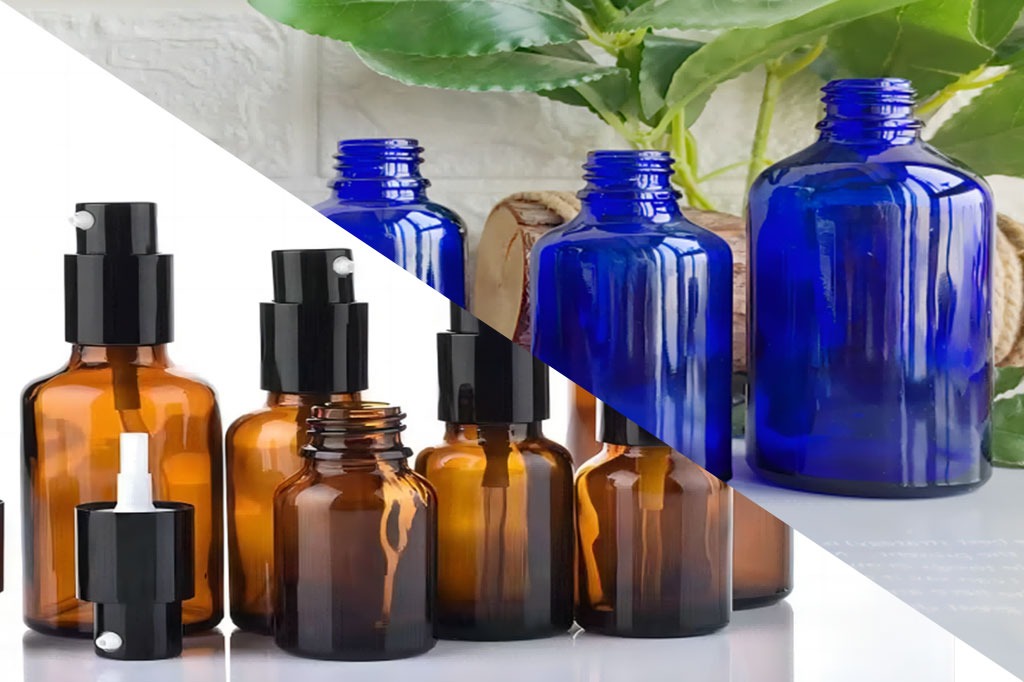
Light is the enemy of most things worth preserving.
Cobalt blue glass works by interacting with the light spectrum in a very specific way. The deep blue color isn’t passive — it filters. It blocks up to 99% of UV-A and UV-B radiation below 450nm. It also absorbs large portions of the yellow and red spectrum. You get a protective barrier between your product and the wavelengths most likely to cause damage.
That’s not marketing language. It’s spectral physics.
Why Light Damage Is a Real Problem
Essential oils, vitamin serums, herbal tinctures, pharmaceutical compounds — these are the products you’ll find in cobalt blue glass bottles. They all share one critical weakness: light breaks them down.
Here’s what that looks like in practice:
- Essential oils oxidize under UV light. The compounds that give lavender or frankincense their therapeutic value break down. The oil doesn’t just smell different — it loses potency.
- Vitamin C serums are unstable by nature. Studies show ascorbic acid can lose significant strength within days. Clear or lightly tinted packaging under normal light conditions is enough to trigger this.
- Wine and fermented beverages develop what’s called “lightstruck” flavor. It’s a sulfurous off-note. UV light triggers chemical reactions with riboflavin and hop compounds, and that’s what causes it.
These aren’t edge cases. They’re routine losses. They happen when the packaging doesn’t match the product’s sensitivity.
What Cobalt Blue Glass Does
Cobalt blue glass works as a broadband light filter. It cuts UV radiation before it reaches your product. It also reduces visible light exposure in the wavelengths most likely to trigger photodegradation.
Amber glass does similar work in the UV range, but it lets more red-spectrum light through. Clear glass offers almost no protection at all. Cobalt blue sits in a specific performance range — strong UV blocking plus solid visible light absorption. That’s why it’s the preferred choice for light-sensitive formulations where both protection and presentation matter.
Key Applications: What Products Benefit Most from Cobalt Blue Glass Bottles
Cobalt blue glass bottles don’t work for every product — but for the right ones, they work very well. The common thread is light sensitivity. Products with compounds that break down under UV or visible light need cobalt blue glass. It’s a functional requirement, not just a packaging preference.
Here’s where it makes the most difference.
Essential Oils & Aromatherapy
Essential oils are some of the most light-sensitive products you’ll find in commercial use. The aromatic compounds — terpenes, esters, phenols — oxidize under UV light. This causes a real loss of therapeutic potency and changes the scent profile. For a lavender or frankincense oil sold on quality, that’s a product integrity problem. Cobalt blue glass bottles are the standard packaging choice in this category for this reason alone.
Natural Skincare & Serums
Active ingredients in natural skincare — vitamin C, retinol, plant stem cell extracts — are unstable by nature. Light exposure breaks them down before the product even reaches you. Cobalt blue glass bottles provide consistent light blocking across UV and part of the visible spectrum. This extends shelf life without adding more preservatives.
Herbal Tinctures & Nutritional Supplements
Liquid herbal extracts and supplement formulas need stable, pharmaceutical-grade protection. Many contain chlorophyll-rich botanicals or fat-soluble compounds that are vulnerable to light damage. Cobalt blue apothecary glass bottles have long served this category. They remain the preferred format for brands building credibility in the health and wellness space.
Craft Beverages & Wine
UV light triggers chemical reactions in wine and fermented beverages. These reactions produce off-flavors — a problem the industry calls “lightstruck.” Colored glass bottle packaging cuts this risk by a wide margin. For craft producers where flavor defines the brand, choosing cobalt blue glass is a straightforward call.
Cobalt Blue Glass vs Amber vs Green Glass: Which Offers Better Protection?
Not all colored glass is equal. The color on a bottle isn’t just a branding choice — it shows how much protection the glass provides.
Here’s a quick breakdown of how cobalt blue stacks up against the other main options.
| Property | Cobalt Blue | Amber | Green | Clear |
|---|---|---|---|---|
| UV-A / UV-B Blocking | Up to 99% (below 450nm) | Up to 99% (below 450nm) | Partial (30–50%) | Minimal |
| Visible Light Filtering | Strong (absorbs yellow + red) | Moderate | Low | None |
| Chemical Inertness | High | High | High | High |
| Product Visibility | Low | Low | Medium | Full |
| Brand Appeal | High-end, premium | Clinical, pharmaceutical | Natural, casual | Neutral |
| Typical Cost | Moderate–High | Moderate | Low–Moderate | Lowest |
| Best For | Skincare, essential oils, wellness | Pharma, supplements | Wine, beverages | Display products |
Cobalt Blue vs Amber: Same Protection, Different Positioning
On UV-blocking, cobalt blue and amber glass perform at the same level. Both block UV-A and UV-B wavelengths at similar rates. Pure light protection is your main goal? Amber gets the job done.
The real difference is perception.
Amber is the standard choice for pharmaceutical packaging. It reads as clinical and functional. That works fine for a generic supplement brand. A premium skincare line, a craft essential oil, or a high-end wellness product is a different story. Amber doesn’t carry the same visual weight. Cobalt blue glass signals quality before the customer reads a single word on the label. That brand impression has real commercial value.
Why Green and Clear Glass Fall Short
Green glass blocks 30 to 50% of UV light. The exact level depends on the glass formulation. For wine, that’s often good enough. The green color also carries strong category recognition in that market. For essential oils or active skincare ingredients, though, partial protection falls short. Degradation still happens — just at a slower rate.
Clear glass offers almost no UV protection. It’s a solid pick for products that aren’t light-sensitive, or where showing the product is a selling point. For reactive contents — vitamins, botanicals, aromatic compounds — clear packaging is the wrong choice. You risk product quality from the moment it hits the shelf.
The Practical Decision
Your product is light-sensitive. Your buyers care about quality. Cobalt blue glass is the stronger pick. Amber matches it on protection, but not on visual presentation. Green and clear glass trail behind on both counts.
Why Choose Cobalt Blue Glass Bottles for Your Brand
Protection keeps your product stable. Presentation sells it. Cobalt blue glass bottles do both. For brands in competitive markets, that combination is hard to ignore.
The Brand Premium That Comes With the Color
Shelf appeal is real. In essential oils, organic skincare, and premium beverages, packaging signals quality before a customer even touches the product. Cobalt blue glass sends that signal on sight.
It’s not just that the color looks good. It reads as intentional. A cobalt blue bottle says care, precision, and product confidence. Amber reads pharmaceutical. Clear reads accessible. Cobalt blue reads premium. In a crowded retail aisle or an online product photo, that difference shapes buying decisions.
Brands using cobalt blue glass packaging in wellness and skincare tend to land at a higher price point than similar products in standard amber or clear bottles. The bottle handles part of the marketing job before the label even loads.
Chemical Stability and Safety
Cobalt blue glass is inert. It does not react with what’s inside. No leaching. No off-gassing. No interaction with acidic botanical formulas, alcohol-based tinctures, or oil-based serums. What you put in stays unchanged.
That matters for regulatory compliance and product integrity. It’s a serious consideration in pharmaceutical, nutraceutical, and food-grade applications.
The Sustainability Angle
Glass is fully recyclable with no quality loss — cycle after cycle. Cobalt blue glass bottles share the same environmental profile as any high-quality glass packaging: reusable, recyclable, and free of the microplastic issues linked to plastic alternatives.
For brands building an eco-conscious identity, this is a clear win. The packaging already reflects the brand values. You don’t need extra messaging to explain it.
How to Select the Right Cobalt Blue Glass Bottle: Sizes, Closures & Customization
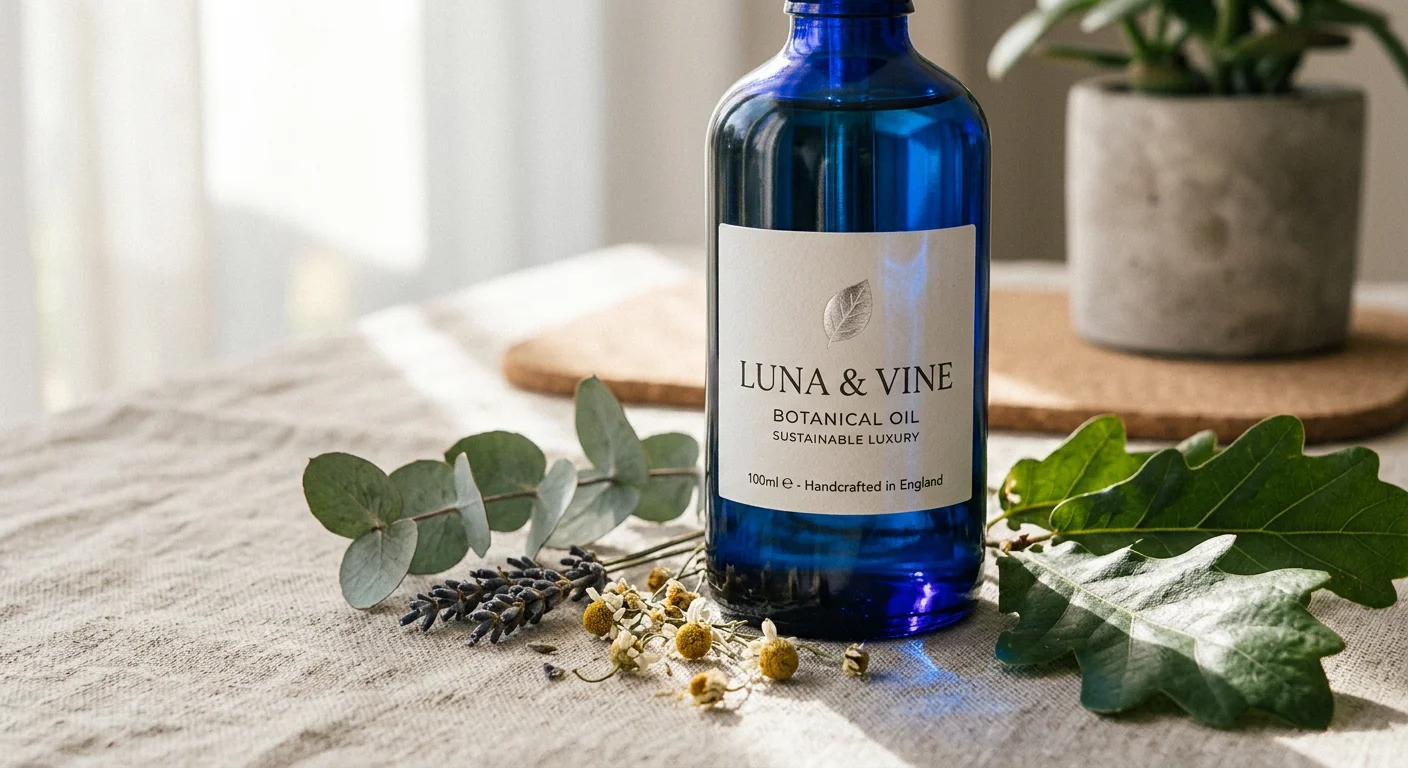
The right cobalt blue glass bottle isn’t one single product. You’re making a decision based on several factors: what you’re bottling, how much, and how your customer will use it.
Size: Match the Volume to the Product
Each product category has its own size standards. Those standards exist for good reasons.
Essential oils and aromatherapy:
Small formats dominate here. Roll-on bottles in 2ml, 5ml, and 10ml are standard. Dropper bottles from 5ml to 15ml cover single-use and travel sizes. You get an airtight, portion-controlled bottle that’s easy to handle.
Skincare and serums:
30ml, 50ml, and 100ml are the common range. These sizes pair well with pump or dropper closures. They also fit standard shelf and shipping formats without any adjustment.
Tinctures, supplements, and craft beverages:Boston Round Bottles from 60ml to 500ml are the go-to format here. The shape is stable and stackable. It works with a wide range of closures, so you’re not locked into one option.
Closures: Function First
The cap matters. It directly affects product protection, the user’s experience, and how premium the product feels.
- Dropper caps — precise dispensing for oils, serums, and tinctures
- Spray pumps — easy to use for daily skincare and aromatherapy mists
- Aluminum screw caps or cork stoppers — give a premium feel, often chosen for limited-edition or artisan products
- Child-resistant caps — a requirement for pharmaceutical and supplement products in most markets
Customization for B2B Buyers
Sourcing at volume? Standard shapes are just the starting point. Most manufacturers — including cobalt blue glass wholesale suppliers — offer OEM and ODM options: fired-on logo printing, silk screening, and label-ready surface finishes.
These details take the bottle from plain to fully branded. The glass itself stays the same — the presentation does all the work.
Frequently Asked Questions About Cobalt Blue Glass Bottles
Quick answers to the questions that come up most.
Does cobalt blue glass block UV light?
Yes. Cobalt blue glass blocks up to 99% of UV-A and UV-B radiation below 450nm. It also filters a large share of visible light in the yellow and red spectrum. That makes it one of the strongest light-protection options in glass packaging.
Is cobalt blue glass safe for food, skincare, and essential oils?
Yes — safe across all three. Cobalt blue glass does not react with acids, alcohol-based tinctures, or oil-based serums. No leaching. No interaction. What goes in stays clean. It meets both pharmaceutical and food-grade standards.
What’s the difference between cobalt blue and amber glass?
UV protection is about the same. The real difference is how each one reads on shelf. Amber looks clinical and pharmaceutical. Cobalt blue looks premium and deliberate. It earns a higher perceived value before a customer reads a single word.
Can cobalt blue glass bottles be recycled?
Yes. Glass goes through multiple recycling cycles with no loss of material quality. Cobalt blue glass carries the same environmental profile as any quality glass packaging — no microplastics, no degradation.
What sizes are available for wholesale orders?
Standard formats run from 2ml roll-ons up to 500ml Boston rounds. Most wholesale suppliers also offer OEM options. You can choose custom shapes, silk-screen printing, and branded closures to match your brand.
Looking for cobalt blue glass bottles wholesale? Contact our team for samples and bulk pricing.
Conclusion
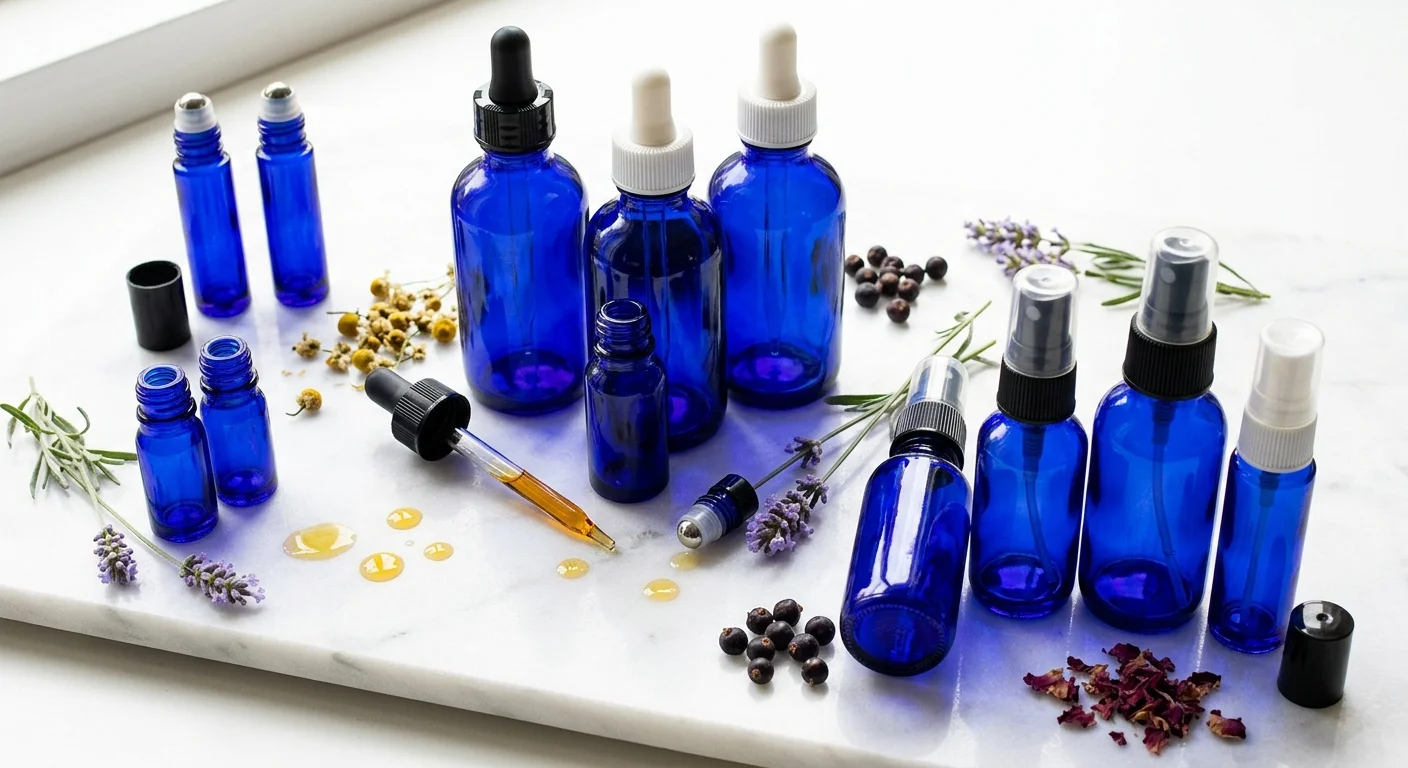
In summary, the true purpose of cobalt blue glass extends far beyond its striking visual appeal—it serves as a reliable protective barrier against harmful UV light, preserves the purity, potency, and shelf life of light-sensitive contents, and adds a premium, professional touch to any product line. Most packaging forces a trade-off. You pick function or you pick beauty. Cobalt blue glass gives you both. It protects what’s inside and looks great doing it.
As a trusted TP Glass Bottle Manufacturer, we specialize in producing high-quality cobalt blue glass bottles in customizable shapes, sizes, and finishes to meet your exact packaging needs. Whether you’re looking for standard cobalt blue glass packaging or fully customized solutions, TP Glass is your dependable partner for premium, purpose-driven glass bottles.